Deals & ConsolidationTX-2D1D
Sysco's $29.1B Restaurant Depot Deal Reshapes Foodservice Wholesale
Sysco will pay $29.1 billion to acquire Restaurant Depot, folding the membership cash-and-carry wholesale operator into the largest broadline foodservice distributor in a deal that would rewrite channel economics.
- Scan date
- October 9, 2026
- Handle time
- 3 min
- Ticket
- TX-2D1D
Packing list
Deal value: $29.1 billion, the largest disclosed transaction in foodservice distribution
Target: Restaurant Depot, a membership cash-and-carry wholesale operator
Acquirer: Sysco, North America's largest broadline foodservice distributor
Reported by Restaurant Business Magazine
Deal terms — cash/stock mix, closing date, financing, regulatory path — not disclosed in source
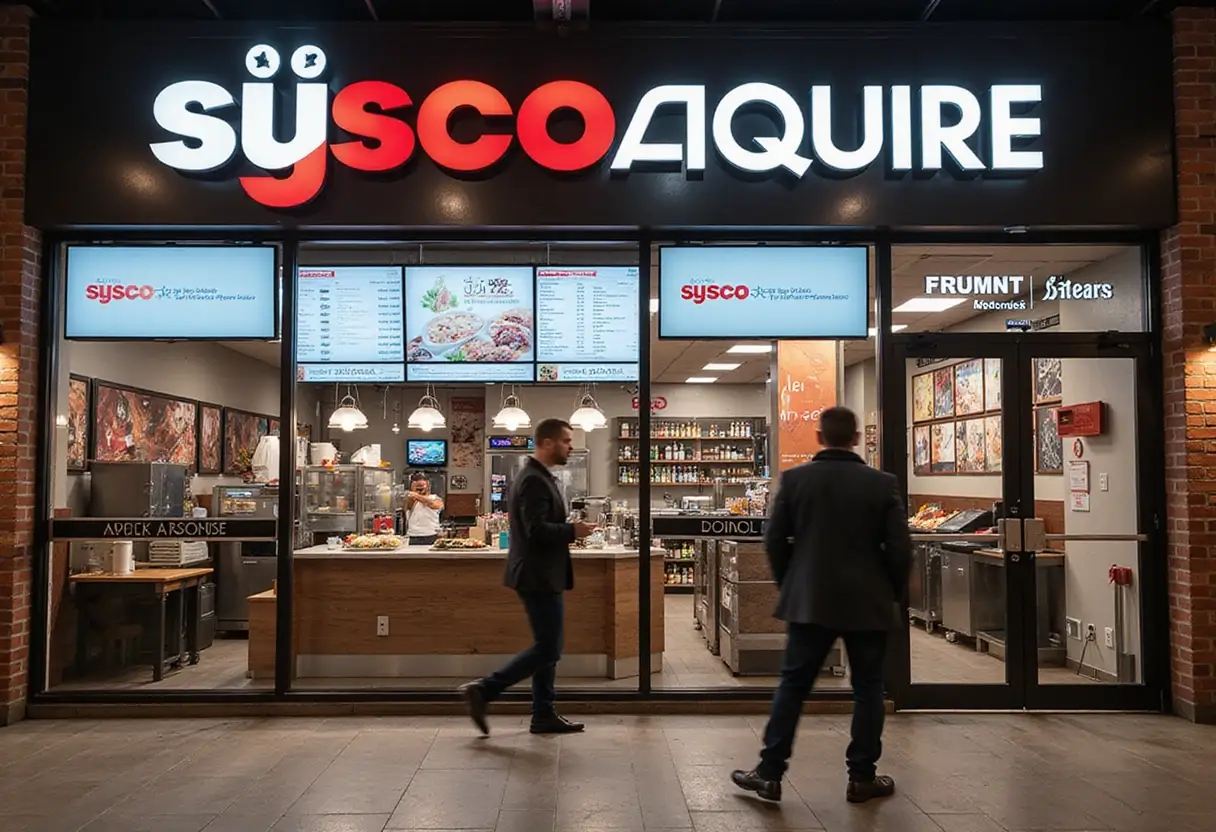
Sysco will acquire Restaurant Depot for $29.1 billion in a deal that would fold the membership cash-and-carry wholesale operator into the largest broadline foodservice distributor in North America, according to Restaurant Business Magazine.
The acquisition price would rank as the largest transaction in foodservice distribution history and would combine two channels that have historically competed rather than coexisted. Sysco delivers broadline distribution to restaurant chains, hospitals, and institutional operators under multi-year contracts. Restaurant Depot runs a warehouse-club model that lets independent restaurants and small foodservice buyers purchase cases, pallets, and fresh goods directly off the floor on a membership basis.
What changes in the channel?
The deal, if completed, would concentrate a single company at the head of both contract broadline delivery and walk-in cash-and-carry — two formats that have rarely shared a parent. Restaurant Depot stores have historically competed with broadline distributors for the independent restaurant dollar, so a Sysco-owned warehouse operation would alter competitive dynamics in every metro where the chain operates.
For CPG manufacturers, the combined purchasing scale across both channels would reshape leverage on rebate structures, slotting allowances, and private-label programs. Restaurant Depot's buyer base skews toward small independents and ethnic-cuisine operators that purchase in smaller quantities; Sysco's customer file skews toward national chains and large regional accounts. A unified procurement operation could negotiate category terms neither side has matched independently.
The format economics differ sharply. Broadline distribution carries high service intensity — route planning, DSD, chain-account customization, and credit extension — which lifts gross margin but inflates operating cost. Cash-and-carry runs on lower service intensity with self-service pickup, no routing, and limited credit exposure. Cash-and-carry inventory turns typically run higher than broadline because the warehouse operator carries no customer receivables and runs no route-based delivery fleet. The blended margin profile of a combined entity depends on the revenue mix, which the source does not disclose.
What the $29.1 billion buys
At $29.1 billion, the implied premium and multiple are not quantified in the reporting. Restaurant Business Magazine's headline does not state whether the consideration is cash, stock, or a mix; whether the deal assumes Restaurant Depot debt; or what revenue or earnings multiple Sysco is paying. The source also does not identify an expected closing date, antitrust pathway, or financing structure.
Without disclosed terms, gross margin impact on Sysco's consolidated income statement and any accretion or dilution math remains in the dark. Integration costs in transactions of this scale typically absorb a meaningful share of deal value through IT consolidation, brand management, and salesforce overlap — none of which has been quantified by either party in the source material.
What remains unanswered
Four questions will frame the next reporting cycle:
- How does Sysco manage channel conflict between its broadline contract sales force and a cash-and-carry floor operation that historically competes with that sales force for the same independent operators?
- What is the regulatory exposure? Restaurant Depot's store count and metro concentration, which the source does not specify, will determine whether the deal clears the standard HSR waiting period or invites a second request.
- Does Restaurant Depot's membership model and SKU breadth survive under Sysco ownership, or does Sysco rationalize the assortment to fit its broadline catalog?
- How will independent restaurant customers — historically courted by both Sysco's broadline reps and Restaurant Depot's membership program — respond to a unified owner?
The transaction, as reported, signals that foodservice distribution is consolidating toward multi-format operators that can serve every restaurant segment through a single corporate parent. Sysco's next earnings call and the deal's definitive agreement filing will determine whether the $29.1 billion price tag translates into channel margin expansion or becomes another integration write-down in the distributor's M&A history.
via Google News: Cash and carry (Source)
More from Olivia Hart
Show full bio
Market editor covering companies, deals and strategy in Wholesale and distribution industry coverage for B2B professionals at Distribution Brief.
137 articles