Deals & ConsolidationTX-1764
Sysco's $29B Restaurant Depot Bid Targets Cash-and-Carry Customers
Sysco will acquire Restaurant Depot for $29 billion, per the Arkansas Democrat-Gazette, linking the broadline leader with a cash-and-carry operator. No financing or regulatory details disclosed.
- Scan date
- October 9, 2026
- Handle time
- 3 min
- Ticket
- TX-1764
Packing list
Reported deal value: $29 billion, per the Arkansas Democrat-Gazette headline
Buyer: Sysco, the largest broadline foodservice distributor in North America, headquartered in Houston
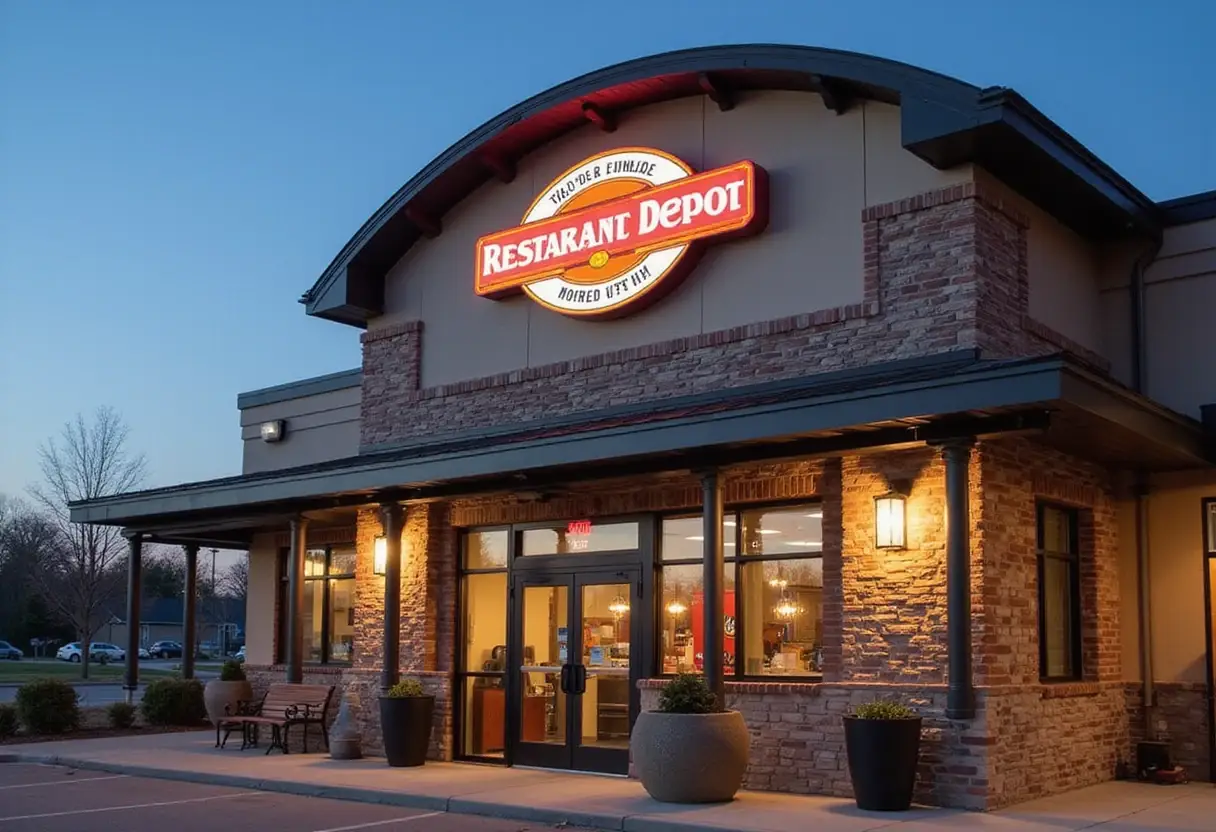
Target: Restaurant Depot, a cash-and-carry warehouse-store operator serving independent restaurants and small institutional buyers
No executive statements, financing terms, structure, or regulatory framework appear in the available reporting
Acquisition would consolidate broadline and cash-and-carry formats under a single operator for the first time at this scale in US foodservice distribution
Sysco will acquire Restaurant Depot in a deal reported at $29 billion by the Arkansas Democrat-Gazette. The headline is the only public description of the transaction: no executive statement, regulatory filing or financing detail accompanied the report, and the headline price stands as the single disclosed data point.
Sysco, headquartered in Houston, runs the largest broadline foodservice distribution network in North America, supplying chain restaurants, healthcare operators, hospitality and educational institutions through a route-based model with broad SKU coverage. Restaurant Depot operates warehouse-store locations selling food, beverage and supplies directly to independent restaurants, caterers and small institutional buyers through a cash-and-carry, membership-access model that bypasses traditional distribution routes.
The two formats serve different customer economics. Broadline customers tend to be mid-market chains and large accounts with negotiated pricing, frequent delivery cadence and credit terms; cash-and-carry customers tend to be independents and operators willing to absorb picking and transport in exchange for lower per-unit cost on smaller volumes.
What does the deal change for small-operator channel reach?
Broadline distributors earn thin reported gross margin percentages because they layer service, delivery, credit and merchandising onto every order. Cash-and-carry formats post higher gross margins because the customer absorbs the friction a broadline network absorbs. Bringing the cash-and-share customer into the same corporate umbrella does not change the underlying margin at each format, but it gives Sysco direct exposure to a customer set whose per-order gross margin runs higher than its traditional base.
Inventory turn, the second distribution lever, shifts in the same direction. Cash-and-carry operators take fewer deliveries of larger quantities. Combining procurement across the two formats allows centralized buyers to consolidate slow-moving SKUs and improve days-on-hand, releasing working capital that supports further format expansion.
Why does the channel power shift?
A cash-and-share customer base is the fastest-growing segment of the away-from-home food market during periods of operator consolidation. Independent and ethnic-cuisine operators, startup concepts and small institutional kitchens buy food differently than chains do:
- smaller orders
- less frequent delivery
- more price sensitivity
- less brand-anchored supplier allegiance
Broadline networks do not serve those customers efficiently, and direct cash-and-share competitors have captured share because broadline routes do not pencil out at small order sizes.
Acquiring the cash-and-share banner rather than building a competing format preserves the brand, the customer experience and the unit economics. The combined operator would command manufacturer relationships in categories where Restaurant Depot already buys direct, including ethnic-grocery, specialty-produce and beverage, alongside Sysco's broadline supplier book.
What the $29 billion headline leaves unanswered
A $29 billion enterprise value would exceed typical recent distribution-sector comps for asset-heavy broadline networks. Without disclosed target financials, transaction structure, financing mix or closing timeline, no read on accretion, leverage or rating-agency reaction is possible.
Regulatory exposure is the second open question. Antitrust review at this scale would examine geographic overlap in foodservice distribution; cash-and-carry overlap carries a different competitive analysis because restaurants can in many cases substitute between broadline and cash-and-share purchasing.
Integration sequencing is the third open question. Restaurant Depot's store-base growth model and its membership-gated procurement culture differ from Sysco's contract-driven broadline model. Preserving format economics while extracting cross-format procurement savings is the standard challenge of a category-spanning distributor deal.
Available reporting provides none of those answers. Distribution analysts will read the Arkansas Democrat-Gazette headline as a signal that a transaction is in motion while waiting for Sysco's investor communications, SEC filings and the deal's formal announcement.
via Google News: Cash and carry (Source)
More from James Calloway
Show full bio
Senior reporter covering regulation, policy and their impact on Wholesale and distribution industry coverage for B2B professionals at Distribution Brief.
138 articles