Deals & ConsolidationTX-D812
Sysco Buys Restaurant Depot One Year After Big-Box Retail Pilot
Sysco has acquired Restaurant Depot roughly twelve months after testing a comparable retail format in repurposed big-box real estate, compressing the pilot-to-purchase timeline for the broadline distributor.
- Scan date
- October 9, 2026
- Handle time
- 3 min
- Ticket
- TX-D812
Packing list
Sysco has acquired Restaurant Depot, the cash-and-carry wholesale operator serving restaurant buyers.
The acquisition comes roughly 12 months after Sysco tested a comparable retail format in repurposed big-box real estate.
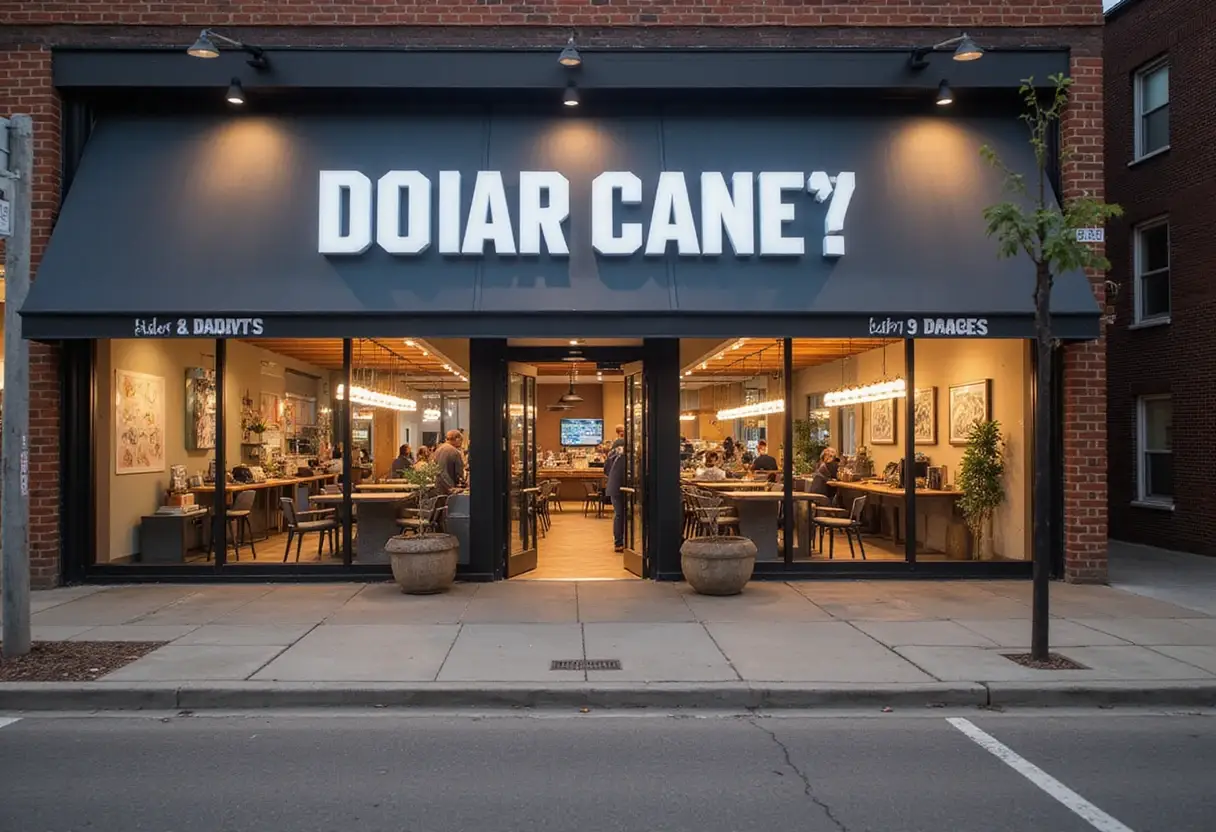
Restaurant Depot runs warehouse-format cash-and-carry stores stocked with restaurant supplies at bulk prices.
Source reporting does not disclose the deal price, store count, deal structure, or regulatory conditions.
Cash-and-carry operates on faster inventory turns but smaller average basket sizes than route-based broadline distribution.
Sysco has acquired Restaurant Depot, the cash-and-carry wholesale operator serving restaurant buyers, roughly twelve months after the broadline foodservice distributor tested a comparable retail format inside repurposed big-box real estate.
The compressed gap between pilot and purchase signals that Sysco has chosen to buy a proven cash-and-carry operator rather than build one from scratch. Restaurant Depot runs warehouse-format stores that stock restaurant supplies at bulk prices — a retail relationship distinct from Sysco's traditional route-based broadline delivery business.
What changed between the pilot and the deal?
The pilot, staged inside vacated large-format retail boxes, gave Sysco a measurable window into cash-and-carry economics — walk-in traffic, basket size, cash velocity — without acquiring a brand or committing to a permanent footprint. By reusing former big-box retail space, Sysco also tested how much conversion cost a warehouse-format store actually requires, an input that feeds directly into per-store build-out assumptions.
The decision to purchase within a year implies the pilot cleared internal performance thresholds that justified converting an experiment into an owned asset. One year is a short window for a broadline distributor to move from pilot to acquisition on a multi-state retail footprint. The compressed timeline suggests either the pilot performed strongly on customer economics, or Sysco moved to acquire before a competitor could.
The acquisition also resolves a strategic question Sysco's pilot raised: whether the company would scale cash-and-carry through its own banner, partner with an existing operator, or buy one outright. Sysco has now chosen the most capital-intensive path.
Why this matters to broadline channel economics
Cash-and-carry runs on faster inventory turns and lower per-stop delivery cost than route-based broadline distribution, though at smaller average basket sizes and a different margin profile. Acquiring Restaurant Depot repositions Sysco toward high-frequency, small-ticket restaurant buyers, a customer tier where unit economics depend on store labor productivity and checkout throughput rather than truck route density.
The deal also matters for Sysco's gross margin mix. Broadline contracts with chain customers typically carry negotiated pricing and longer payment terms. A retail cash-and-carry channel adds a higher-velocity retail revenue stream that contributes differently to working capital and inventory aging.
Cash-and-carry operators also source directly from producers and packers, often at pricing terms distinct from broadline distribution. Sysco's purchase raises a near-term question about whether its broadline supplier contracts and the acquired retail channel will operate as separate sourcing operations or consolidate purchasing volume.
What remains unverified
The source reporting carries the acquisition headline and the timing reference to the big-box pilot. It does not disclose the deal price, the number of Restaurant Depot locations, the deal structure, or any regulatory conditions attached to the transaction.
Until Sysco files publicly or comments on terms, the acquisition price and any contribution to consolidated revenue or segment margin remain assertions rather than measured outcomes. Distributors evaluating the move should weight those numbers carefully when they appear.
What's next for distributors
For distributors tracking the move, the strategic question shifts from whether a broadliner should pilot cash-and-carry to what the right price is to own one. Sysco has answered the first question; the second depends on what financial filings eventually disclose.
How Restaurant Depot's store fleet, customer base and supplier contracts perform under Sysco ownership will determine whether the one-year gap between pilot and purchase reads as decisive execution or an expensive shortcut — and whether the rest of the broadline industry follows the same buy-versus-build path.
via Google News: Cash and carry (Source)
More from James Calloway
Show full bio
Senior reporter covering regulation, policy and their impact on Wholesale and distribution industry coverage for B2B professionals at Distribution Brief.
138 articles