Wholesale ChannelsTX-4B3B
Sysco Set to Acquire Jetro Restaurant Depot Cash-and-Carry Chain
Sysco announced plans to acquire Jetro Restaurant Depot, marking the broadline leader's first major move into the cash-and-carry format serving independent restaurants.
- Scan date
- October 9, 2026
- Handle time
- 3 min
- Ticket
- TX-4B3B
Packing list
Sysco announced plans to acquire Jetro Restaurant Depot, the warehouse-format cash-and-carry chain.
Sysco framed the target as a higher-margin, growing, and resilient channel in the headline announcement.
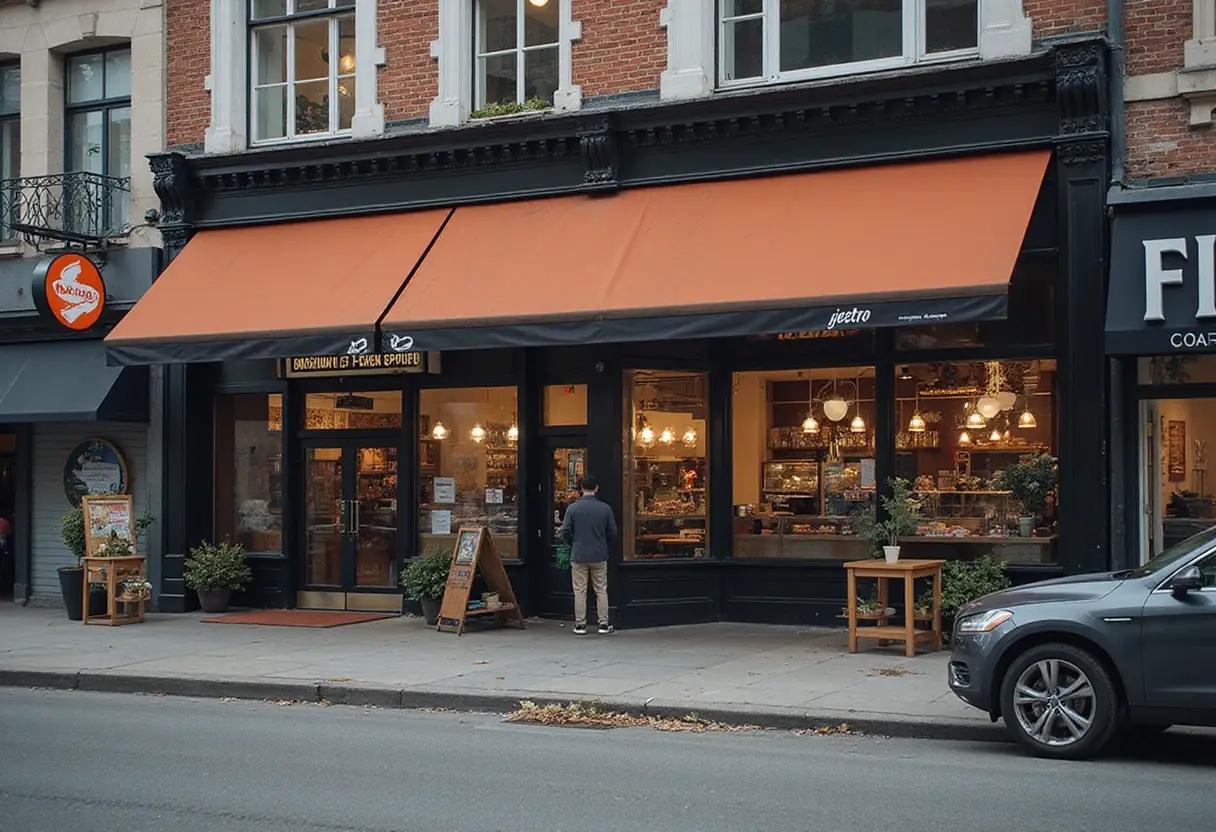
Jetro Restaurant Depot operates warehouse stores selling bulk foods to independent and ethnic restaurant operators.
Sysco has not disclosed transaction value, closing date, or store count in the headline release.
The acquisition marks Sysco's first major move into cash-and-carry, a channel long led by independents.
Sysco announced plans to acquire Jetro Restaurant Depot, pushing the largest broadline foodservice distributor in North America into a cash-and-carry format it has long watched from the outside.
The deal, disclosed through Perishable News, places Sysco inside a wholesale channel that competes with broadline delivery for small-operator and independent restaurant accounts. Sysco framed the target as a "Higher-Margin, Growing, and Resilient Cash & Carry Channel," the language carried in the headline announcement.
What does the deal change in Sysco's mix?
The acquisition shifts Sysco's center of gravity on three lines that drive distribution finance: gross margin profile, channel mix, and customer segmentation. Cash-and-carry sales typically carry different margin economics than delivered broadline volume, and they pull the buyer into walk-in traffic from operators that have historically purchased from independent cash-and-carry operators, club stores, or direct from producers.
Sysco has not disclosed the transaction value, closing date, or store count in the headline announcement. The headline frames the strategic rationale — a higher-margin, growing, and resilient channel — without publishing purchase price, comparable store economics, or integration cost. Those figures remain pending until Sysco files its next disclosure or holds an investor call.
Why cash-and-carry now
Jetro Restaurant Depot operates a warehouse-store format that sells dry, refrigerated, and frozen foods in bulk to restaurants, caterers, institutions, and small businesses. Members pay an annual fee and shop in person, lifting cases off pallets rather than waiting for a delivery truck.
The format has proven durable. Cash-and-carry operators benefit when operators tighten inventory and seek lower food cost. They retain share with independents who value one-trip convenience over weekly broadline delivery slots. The "resilient" label Sysco applied to the channel fits the demand pattern: independent and ethnic restaurants, which anchor Jetro Restaurant Depot's traffic, tend to keep ordering even when broadline customers scale back dining room counts or shift menus.
Cash-and-carry also benefits when operators reduce on-hand inventory to protect working capital — a behavior that accelerated after the 2020–2022 supply chain shock and has not fully reversed.
What the deal signals for wholesale channel power
For competing broadliners — Performance Food Group, US Foods, Gordon Food Service — the acquisition removes one of the largest independent cash-and-carry banners from the supplier-leverage table. Sysco gains direct relationships with thousands of small operators that today buy cash-and-carry and either do not buy broadline at all or buy broadline only for center-of-plate proteins and specialty items.
Suppliers face a different question. A broader Sysco footprint gives the distributor more leverage at the supplier negotiating table, particularly on the center-store, frozen, and ethnic SKUs that cash-and-carry catalogs move at high velocity. Branded suppliers in those categories should expect Sysco's procurement team to demand pricing and slotting terms comparable to those it already commands in broadline.
Independent cash-and-carry operators now compete with the largest broadline buyer in North America on their home turf. Expect margin pressure in metropolitan catchments where Sysco's broadline trucks already call on the same independent accounts Jetro's stores serve on weekends.
What to watch next
Watch the next Sysco earnings call for purchase price, comparable store volume, and integration cost. Watch also the antitrust posture: review will focus on metro-level overlap in foodservice wholesale, not on broadline delivery routes. If Sysco can absorb the Jetro Restaurant Depot fleet without divesting stores, the deal will hand it a national cash-and-carry platform that competitors must now match organically or through separate acquisitions.
Until those numbers land, the headline is the only disclosed fact: Sysco is buying its way into a channel it has long viewed as complementary.
via Google News: Cash and carry (Source)
More from James Calloway
Show full bio
Senior reporter covering regulation, policy and their impact on Wholesale and distribution industry coverage for B2B professionals at Distribution Brief.
138 articles