Foodservice DistributionTX-3890
Sysco Halts Mexican Lettuce Distribution Amid Cyclospora Outbreak
Sysco, the largest U.S. food distributor, has stopped distributing Mexican lettuce amid a Cyclospora outbreak, redirecting foodservice demand to alternative produce origins.
- Scan date
- September 30, 2026
- Handle time
- 3 min
- Ticket
- TX-3890
Packing list
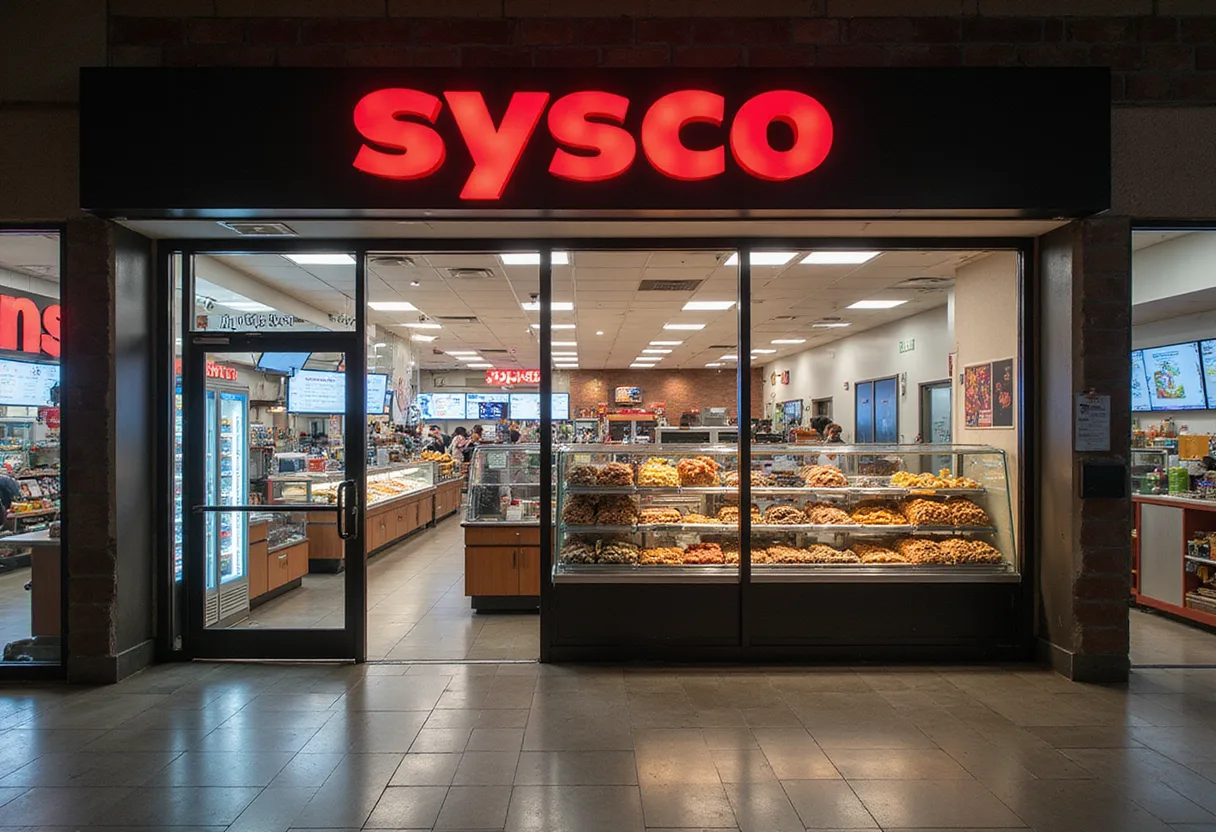
Sysco, the largest food distributor in the United States, has halted distribution of Mexican lettuce amid a Cyclospora outbreak.
The reported halt affects a top broadline supplier to restaurants, healthcare, education and other foodservice operators across North America.
The disclosed reporting does not specify affected volumes, suppliers or growing regions, leaving the scope of the withdrawal undetermined.
Sysco, the largest food distributor in the United States, has halted distribution of Mexican lettuce in response to a Cyclospora outbreak, according to Fox Business.
The stoppage puts a hard number on what food safety events usually leave abstract: Sysco's scale. As the nation's largest broadline distributor, the company supplies restaurants, healthcare facilities, schools and other foodservice operators across North America, meaning a single produce withdrawal touches thousands of downstream kitchens and their purchasing decisions. A voluntary halt at that scale effectively removes an entire origin from the available supply set for Sysco's customer base until the company decides the risk has passed.
The pathogen at the center of the decision is Cyclospora cayetanensis, a parasite long associated with fresh produce imported from growing regions in Mexico and Central America. In past outbreak years, U.S. public health authorities have linked Cyclospora cases to cilantro, basil, raspberries and salad greens sourced from those regions. Leafy greens are particularly exposed in distribution terms: they move quickly, carry limited shelf life, and offer distributors thin margins that a recall or withdrawal can erase across an entire category.
What remains undetermined at this stage is the scope. The available reporting names Sysco's action but does not disclose the volume of lettuce affected, the number of Sysco operating companies or customer locations involved, or the specific growing regions or shippers in Mexico tied to the outbreak. It also does not state whether U.S. health agencies have formally identified a supplier, a point that matters for competitors deciding whether to pull product from the same origin.
For the foodservice distribution channel, the immediate economics work in several directions. Operators that bought Mexican lettuce through Sysco will shift demand to alternative origins — likely domestic growers or other import regions — tightening supply and supporting prices for substitute product. Competing broadliners face a decision point: hold their sourcing and capture displaced volume, or follow Sysco's lead and withdraw from the origin entirely if the outbreak investigation broadens. Freight and warehouse costs rise in either scenario, as diverted product reroutes through different receiving points.
Cyclospora carries a further complication for traceability economics. The parasite has a incubation period measured in days to weeks, which delays case reporting and blurs the linkage between illness clusters and specific lots. That lag makes lot-level traceability documentation — increasingly a condition of large foodservice contracts — the deciding factor in how quickly a distributor can quarantine affected product versus withdrawing an entire commodity category. Distributors with weaker lot-level data face the costlier option by default.
Sysco has not publicly stated when distribution of Mexican lettuce will resume, and the duration of the halt will depend on the course of the outbreak investigation. If federal investigators trace the contamination to specific growers or shippers, the stoppage could narrow to defined lots and release the rest of the origin back into the channel; if the source stays unresolved, expect competing distributors and large foodservice buyers to keep Mexican lettuce off their lists through the outbreak's tail.
Distribution Brief will track the investigation's findings and any supplier-specific actions as they emerge.
via Google News: Foodservice distribution (Source)
More from Tom Whitfield
Show full bio
Staff writer covering companies, deals and strategy in Wholesale and distribution industry coverage for B2B professionals at Distribution Brief.
144 articles