Foodservice DistributionTX-95F5
Cyclosporiasis Deaths Prompt Sysco-Backed Pullback on Lettuce Buying
The largest US food distributor has halted lettuce purchases after cyclosporiasis deaths, pressuring produce suppliers and disrupting a top-turn foodservice category.
- Scan date
- September 30, 2026
- Handle time
- 3 min
- Ticket
- TX-95F5
Packing list
The largest US food distributor has stopped purchasing lettuce after deaths linked to cyclosporiasis, per the New York Post.
The report does not disclose case counts, implicated lots, growers, or the duration of the purchase halt.
The freeze pressures upstream grower-shippers and forces foodservice customers to find substitute salad-program supply.
The largest food distributor in the United States has stopped purchasing lettuce after deaths linked to cyclosporiasis, according to a report by the New York Post. The buying freeze directly affects one of the highest-volume produce categories in foodservice distribution, where leafy greens move through cold chains on daily cycles and any procurement pause ripples quickly through suppliers.
The distributor, identified by the Post as the country's largest food distribution business, halted purchases in response to an outbreak of cyclosporiasis, an intestinal illness caused by the Cyclospora parasite. The outbreak has been tied to deaths, according to the report. The article did not disclose how many fatalities are linked to the outbreak, whether the halt covers all lettuce varieties or specific grower lots, or how long the suspension will remain in force.
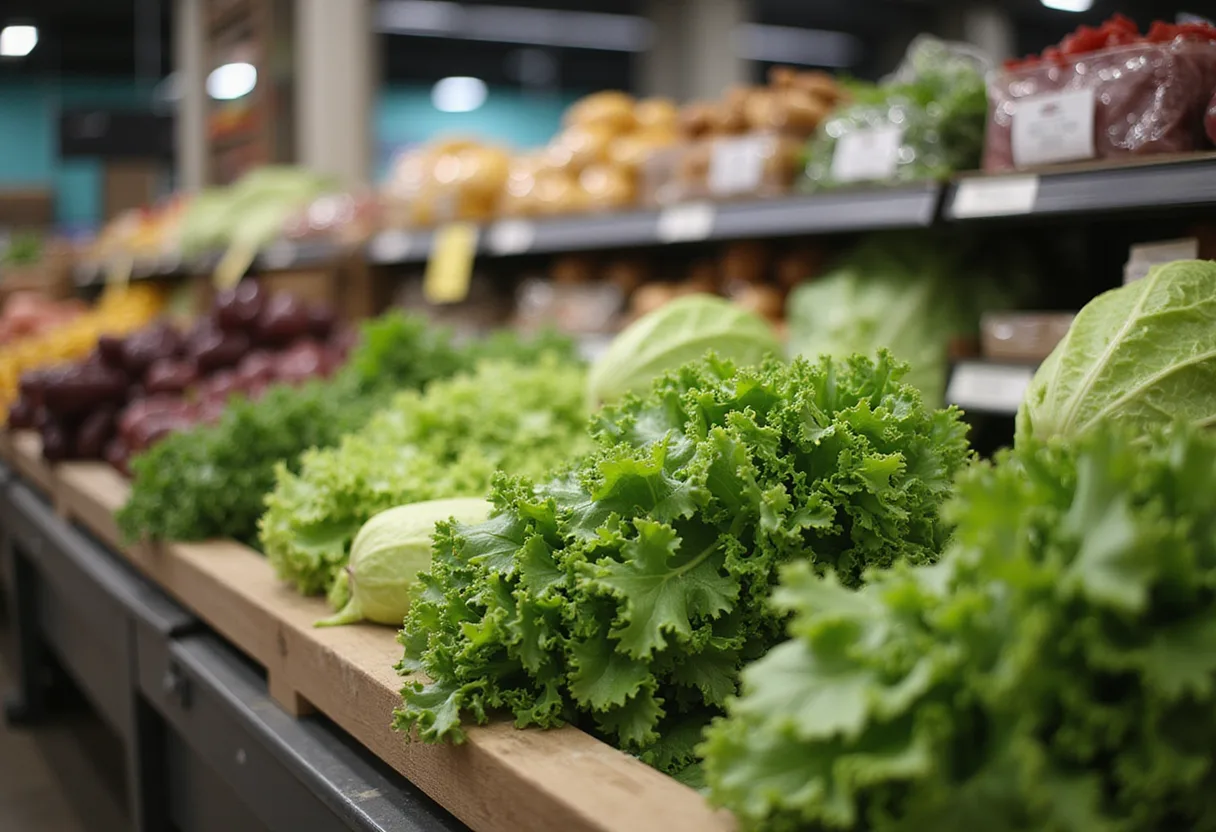
For foodservice distribution, a category-level purchase stop is an unusual and aggressive move. Lettuce — head lettuce, romaine, leaf varieties and processed salad blends — sits at the center of foodservice produce programs, moving through broadline distributors to restaurants, cafeterias, healthcare and hospitality accounts on rapid turns. Produce typically carries thin gross margins at the broadline level, and distributors earn on velocity rather than markup. A pause on buying therefore signals that the operator judged the food-safety and liability exposure as greater than the cost of disrupting a high-turn, high-frequency SKU family.
The decision also shifts commercial pressure upstream to grower-shippers and fresh-cut processors. When a distributor of national scale stops issuing purchase orders for lettuce, growers and processors lose a major channel outlet for the affected product, and buyers elsewhere in the network — regional distributors, retail chains, direct-store delivery specialists — will face both supply redirection and heightened testing demands on inbound lots.
The Post's report does not specify which brands, growing regions or packers are implicated in the outbreak, and it does not state whether the U.S. Food and Drug Administration or the Centers for Disease Control and Prevention have issued a recall or a public advisory connected to the cases. Cyclosporiasis outbreaks in prior years have frequently been traced to imported fresh produce, including romaine and bagged salads, but no such origin has been asserted in this report for the current illnesses.
What is measured against what is asserted matters here. The report establishes two facts: that deaths have occurred in connection with cyclosporiasis, and that the country's largest food distributor has stopped buying lettuce. It does not quantify outbreak case counts, name the implicated product lots, or disclose the distributor's lettuce purchase volumes — figures that would determine the financial weight of the stoppage for both the distributor and its suppliers.
The customer-economics dimension is immediate. Foodservice operators that rely on the distributor for salad programs will need substitute items or alternative suppliers, and distributors that continue shipping lettuce will likely see inbound inspection costs and customer questions rise until the source of the contamination is identified. In produce distribution, where a single contamination event can depress category demand across brands and regions regardless of actual exposure, the halt functions as both a risk control and a signal to the market.
The move also illustrates the channel power that top-tier distributors hold over fresh-produce supply chains. A purchase freeze by the largest player can effectively reprice or strand product across a growing region faster than a regulatory action, because suppliers must immediately find alternative buyers for perishable inventory with a shelf life measured in days.
The New York Post's report does not indicate whether the distributor will resume purchases once federal investigators identify the contamination source, nor whether the company has communicated a timeline to customers. A resumption will likely depend on traceability data linking the outbreak to specific lots, growers or importers.
via Google News: Foodservice distribution (Source)
More from James Calloway
Show full bio
Senior reporter covering regulation, policy and their impact on Wholesale and distribution industry coverage for B2B professionals at Distribution Brief.
138 articles