Foodservice DistributionTX-00C5
Food Distributor Shutters Distribution Center, Cutting Workforce
A food distributor has closed a distribution center, cutting the site's workforce. No headcount, facility size, or volume figures were disclosed, leaving the network impact unquantified.
- Scan date
- September 30, 2026
- Handle time
- 3 min
- Ticket
- TX-00C5
Packing list
A food distributor has shuttered a distribution center, Abasto reports.
The closure directly hit the workforce at the affected facility.
No figures on headcount, facility size, or volume migration were disclosed.
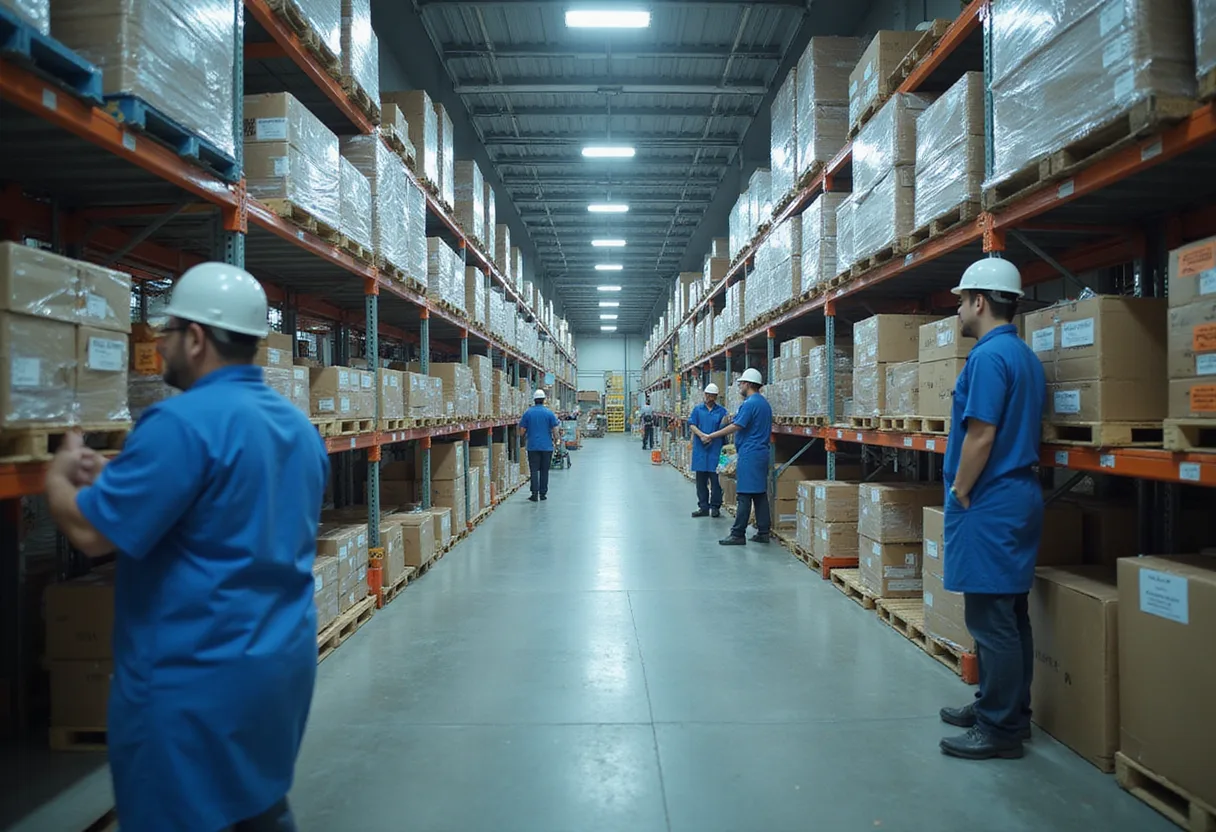
A food distributor has closed one of its distribution centers, and the shutdown has directly hit the workforce at the site, Abasto reports. The closure removes operating capacity from the company's network and displaces the employees who staffed the facility.
The headline fact is straightforward: a distribution center in the food distribution channel is no longer operating, and workers are bearing the immediate consequence. What the report does not disclose is equally important for distribution executives reading the news: the company has not, in the information available, published the square footage of the shuttered facility, the number of positions eliminated, the revenue that flowed through the building, or the severance and placement terms offered to affected staff.
That gap matters. In the food distribution trade, a distribution center closure is rarely a neutral real-estate decision. When a distributor retires a facility, the move typically reflects one of a few underlying economics: volume consolidation into fewer, larger hubs; a shift in customer density that no longer supports a satellite location; margin pressure that makes fixed facility costs unsustainable; or an inventory-turns problem that punishes excess warehousing capacity. Each of those drivers has different implications for suppliers, for competing distributors in the affected geography, and for the foodservice and retail customers who took delivery from the site.
For the affected regional market, the immediate question is service coverage. Food distribution is a next-day, high-frequency delivery business built on route density and cold-chain proximity. When a distribution point goes dark, customers either get served from a more distant hub — which raises freight cost per stop and can compress the distributor's gross margin on those accounts — or they become acquisition targets for competing broadliners and regional specialists with closer assets. Competitors rarely announce this; they quote.
For the distributor itself, the closure decision has to be judged against disclosed numbers, and none are available in this report. The measured facts are the facility closure and the workforce impact. Everything else — savings projections, volume migration plans, whether the closure is part of a broader network restructuring — remains, for now, asserted or unstated rather than measured. Analysts tracking the company should watch three indicators in upcoming disclosures: headcount in the segment operating the closed facility, any impairment or exit charges booked in connection with the shutdown, and commentary on whether deliveries from the closed center have been absorbed by remaining nodes without a reported decline in service levels or fill rates.
The workforce dimension deserves its own weight. Food distribution is labor-intensive at the warehouse level, and the employees affected by a closure — selectors, loaders, drivers, receivers — are the operating layer that determines inventory accuracy and order-cycle time. How the company handles the displacement, including whether it transfers staff to other facilities, will signal whether this is a network optimization or a broader retrenchment.
Abasto's report confirms the closure and the jobs impact but does not name a timeline for final wind-down, a figure for workforce reduction, or a company statement on relocation of volume. Until those details surface, the closure stands as a concrete contraction in the company's distribution footprint with an unquantified human cost — and as an open question about which facility, and which customer set, absorbs the volume.
via Google News: Foodservice distribution (Source)
More from Olivia Hart
Show full bio
Market editor covering companies, deals and strategy in Wholesale and distribution industry coverage for B2B professionals at Distribution Brief.
137 articles