McCormick Lifts Fiscal 2026 Inflation View to as Much as 7%
McCormick lifted its fiscal 2026 inflation outlook to as much as 7% from a mid-single-digit view, citing freight, packaging and input costs. Q3 adjusted operating margin still expanded 180 bps to 39.3% on pricing, CCI savings and Mexico consolidation.
- Scan date
- October 9, 2026
- Handle time
- 3 min
Packing list
McCormick raised its fiscal 2026 inflation forecast to as much as 7% year-over-year, up from a prior mid-single-digit assumption
Adjusted operating margin expanded 180 basis points year-over-year to 39.3% in the quarter ended Aug. 31
Adjusted operating income rose 22.1% to $358.5 million in the same quarter
The McCormick-Unilever merger is valued at $44.8 billion, with $600 million in expected recurring annual expense reductions (procurement = roughly 40%)
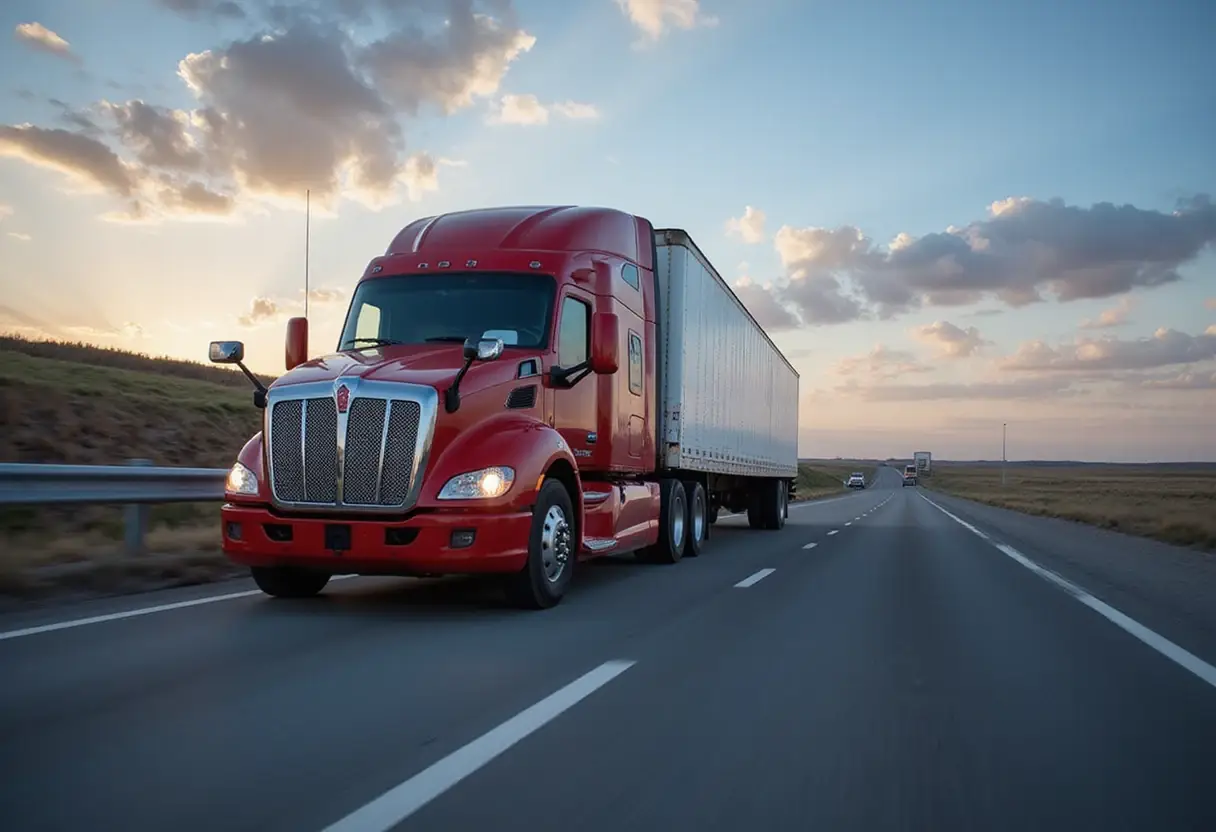
Bulk trucking lead times lengthened from a 24-72 hour range to 7-10 days amid tighter carrier capacity
McCormick & Co. raised its fiscal 2026 inflation forecast to as much as 7% year-over-year, up from a prior mid-single-digit assumption, as freight, logistics, packaging and input costs outran the spice and seasoning maker's productivity offsets.
CFO Marcos Gabriel disclosed the upgrade on the company's Oct. 1 earnings call. He tied the revision to higher costs across transportation, packaging and raw materials, with the Iran war and tightened U.S. federal regulation of long-haul trucking pulling carrier capacity out of the spot market.
"Higher logistics costs driven by the Iran war and tighter freight capacity stemming from changes in U.S. federal regulations were offset by savings from productivity initiatives," Gabriel said, naming the company's Comprehensive Continuous Improvement (CCI) program as a specific lever.
The Hunt Valley, Maryland-based company's revised assumption now matches — and at the top end exceeds — the roughly 6% full-year inflation guidance Conagra Brands issued last month for its fiscal 2027. Frozen potato supplier Lamb Weston reported the same trend on its Oct. 6 call, with CFO James Gray flagging "substantial" cost increases across freight, edible oils, packaging and ingredients during the quarter ended Aug. 30.
What does the freight squeeze mean for distribution?
McCormick's logistics expense climbed as two distinct shocks hit at once. The Iran conflict has reshuffled ocean and over-the-road routings, while new federal oversight has thinned the long-haul carrier pool.
The capacity squeeze is showing up in measurable service degradation. Bulk lead times lengthened from a 24-72 hour band to 7-10 days. For broadline distributors moving shelf-stable grocery and foodservice SKUs — categories where McCormick's spices, seasonings and condiments sit — that timing shift translates directly into higher inventory carrying costs and tighter reorder points at the warehouse.
How is McCormick holding the line on margin?
McCormick expanded adjusted operating margin by 180 basis points year over year to 39.3% in the quarter ended Aug. 31, despite the higher commodity and freight base. Adjusted operating income rose 22.1% to $358.5 million.
Gabriel credited three levers:
- Pricing actions passed through to retail and foodservice buyers.
- Savings from the CCI cost program, which the company accelerated in EMEA earlier in the cycle.
- Cost contribution from the controlling stake acquired in McCormick de Mexico, the previously unconsolidated subsidiary.
For the quarter ending Nov. 30, the company expects year-over-year margin compression as commodity and freight costs rise sequentially. Inflation will continue into fiscal 2027, Gabriel said, with the new fiscal year beginning Dec. 1.
What changes once the Unilever deal closes?
McCormick's procurement baseline shifts materially once its $44.8 billion merger with Unilever closes. The two companies target mid-2027 for closing. They expect $600 million in recurring annual expense reductions, with procurement accounting for roughly 40% — about $240 million annually.
Procurement costs should "generally decline during the three years" after the deal closes, the company told analysts. Translated into distribution terms, that implies a lower cost-of-goods baseline, which the combined entity will have to decide how to split between gross margin, channel reinvestment and shelf pricing.
McCormick received a separate $28 million tariff refund earlier in fiscal 2026, a partial offset to cost pressure caused by the Iran conflict. Combined with productivity gains and the Mexico consolidation, it bought margin breathing room the company must now defend quarter-by-quarter through fiscal 2027.
via techtarget.com (Original)
More from Priya Raman
Show full bio
Correspondent covering technology and product news in Wholesale and distribution industry coverage for B2B professionals at Distribution Brief.
154 articles