Wholesale ChannelsTX-3006
Leigh cash-and-carry warehouse approved for supermarket conversion
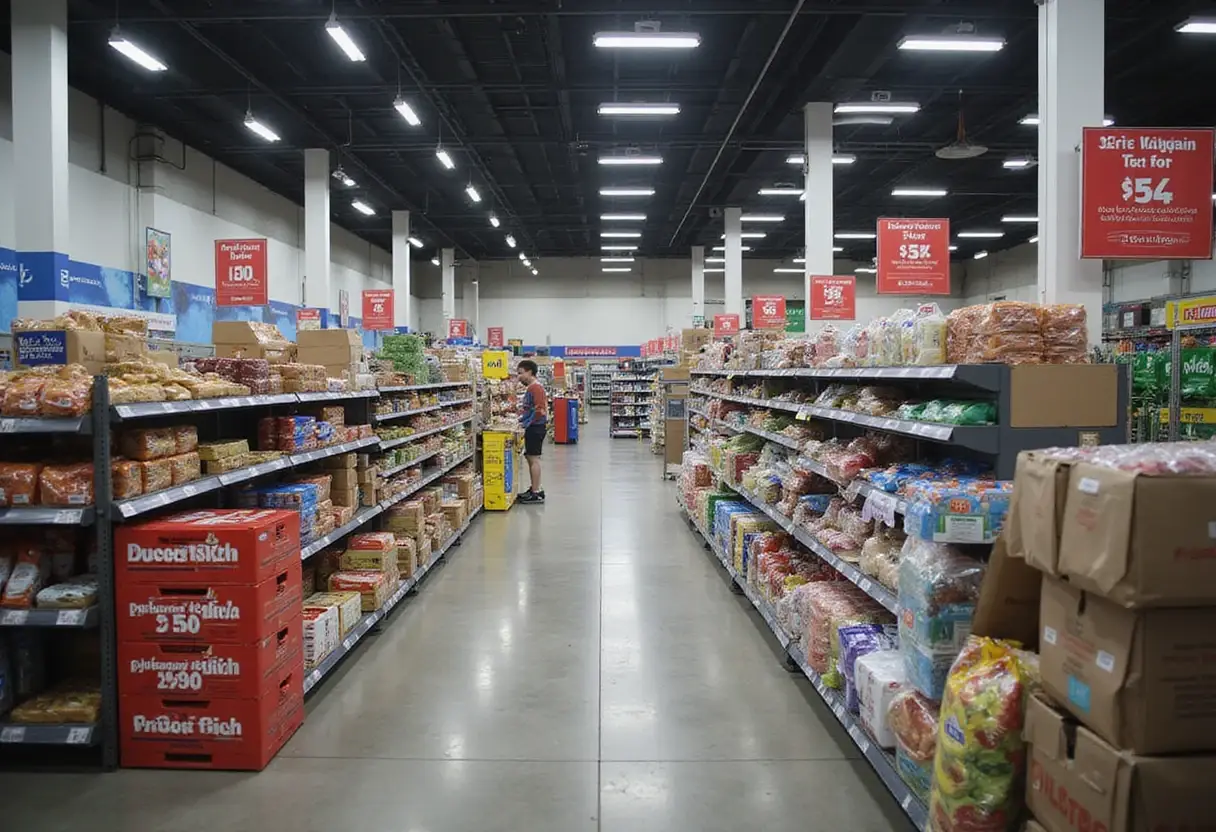
Planning permission has been granted to convert a Leigh cash-and-carry warehouse into a supermarket. The decision shifts wholesale-trade volume into B2C grocery, though the operator identity and floor area remain undisclosed in the published file.
- Scan date
- October 9, 2026
- Handle time
- 3 min
- Ticket
- TX-3006
Packing list
Planning permission granted to convert a cash-and-carry warehouse in Leigh, Greater Manchester into a supermarket
Site sits within the Metropolitan Borough of Wigan
Operator identity, gross internal floor area and service-yard size are not disclosed in the published file
The next material data point is the council's discharge-of-conditions submission, which typically names the retailer
Conversion shifts trade-counter B2B volume into till-based B2C grocery retail
Planning permission has been granted to convert a Leigh cash-and-carry warehouse into a supermarket, according to local planning coverage. The decision moves a wholesale-trade property into the B2C grocery channel at a moment when the operator's identity and the building's gross internal floor area remain absent from the public record.
The site sits within the Metropolitan Borough of Wigan. A cash-and-carry operator there would normally serve independent retailers, caterers, pubs and small food-service buyers purchasing in case, tray or pallet quantities. A supermarket successor reweights the same footprint toward till-based retail sales, loyalty data and category-driven margin mix.
For distribution economics the conversion carries three consequences once the operating details land in the council file.
- Margin mix. Cash-and-carry earns on narrow per-case margin and high inventory turn. A supermarket of similar footprint shifts the gross-profit pool toward higher-velocity packaged grocery, promotional mechanics and category gross margin.
- Channel power. Closing the trade counter removes a self-collected option for local independents. Affected buyers then route orders through delivered-wholesale platforms or out-of-town wholesalers, usually at a small delivery premium over counter pricing.
- Property economics. The asset keeps an active food-retail use class, lifts rateable value, and pulls weekday footfall that a B2B trade operation typically does not generate.
What the approval reveals, and what it does not
The coverage confirms a planning outcome but withholds three figures needed for any clean channel analysis: the named retailer taking the unit, the gross internal floor area, and the size of any retained yard or service deck. Without those numbers, comparisons of pre-conversion wholesale turnover with projected supermarket revenue are not defensible. Distribution Brief will revisit those points once the council publishes the discharge-of-conditions submission.
Why Leigh, why now
UK cash-and-carry has narrowed for a decade as discount multiples, online B2B platforms and out-of-town delivered wholesalers have absorbed independent buyers. A supermarket conversion completes that arc locally, replacing trade sales with retail tills. Where the incoming operator runs a delivered trade arm alongside the retail floor, the channel disruption is smaller; where it does not, independents in the Wigan catchment face a structural substitution cost.
What changes for local buyers
Independent convenience stores, sandwich producers and small pub groups served by the Leigh counter face an open question until the operator is named. If the fit-out preserves a trade-counter section, the immediate substitution risk falls away. If it does not, those buyers migrate to remaining cash-and-carry alternatives or to delivered-wholesale accounts. The catchment's competing wholesale options, and their delivered-pricing differentials relative to the closed counter, will determine the working-capital cost of that switch.
For shoppers, the change adds a full-line grocery destination to a retail base already anchored by national multiples in neighbouring Atherton and Wigan town centre. Net basket-level impact will follow the chosen retailer's format and price architecture.
What to watch next
The next material document is the discharge-of-conditions submission. It typically names the retailer, signs off the glazed frontage, signage and car-parking layout, and fixes opening hours. That paperwork converts a headline approval into a measurable channel shift inside Greater Manchester's wholesale-to-retail property pipeline.
via Google News: Cash and carry (Source)
More from Amara Osei
Show full bio
News editor covering technology and product news in Wholesale and distribution industry coverage for B2B professionals at Distribution Brief.
143 articles