Wholesale ChannelsTX-DBC3
East N West Cash & Carry Hits 20-Year Mark in UK Wholesale
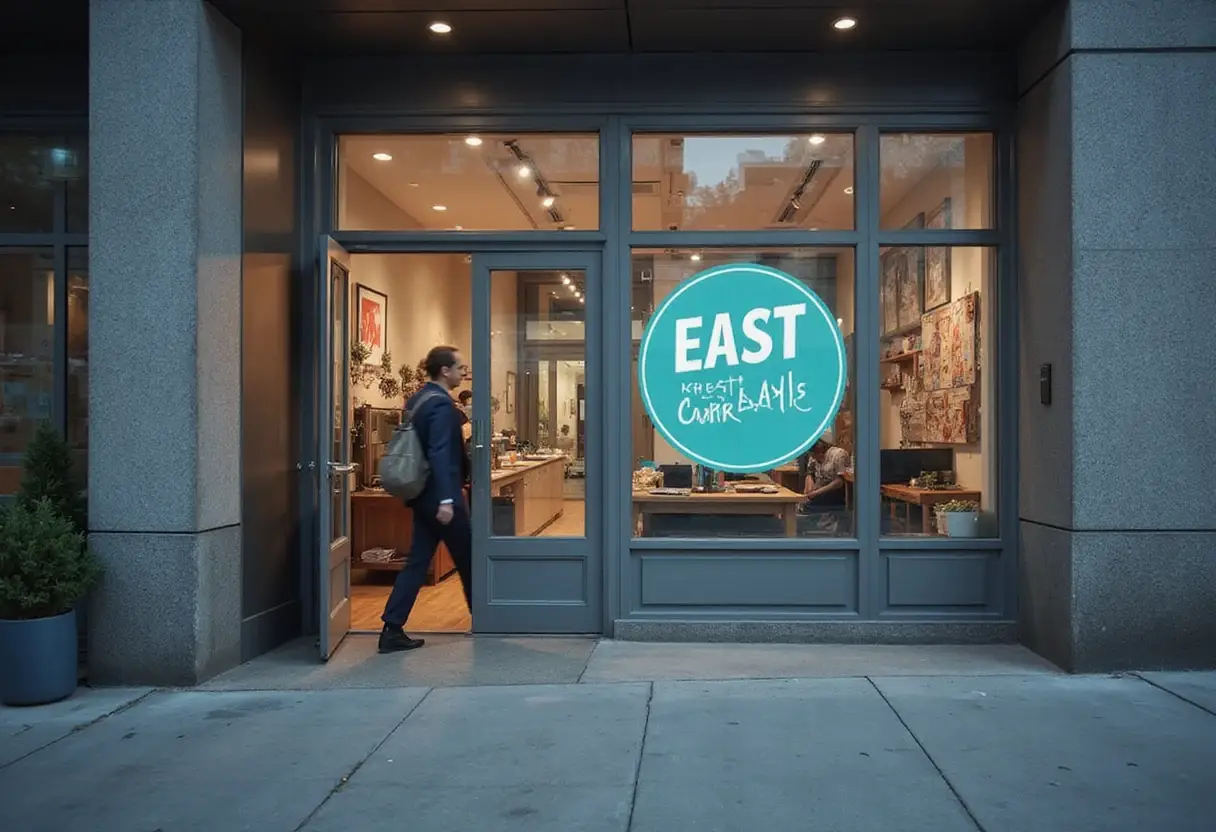
East N West Cash & Carry reaches 20 years serving independent retailers and hospitality businesses. The milestone tests a wholesale format under pressure from broadliners and supermarket consolidation across two decades.
- Scan date
- October 13, 2026
- Handle time
- 3 min
- Ticket
- TX-DBC3
Packing list
East N West Cash & Carry has operated for 20 years as of the milestone reported by Wholesale Manager.
The wholesaler serves independent retailers and hospitality businesses as its core customer base.
The cash-and-carry format competes on warehouse pricing and self-collection rather than delivered broadline service.
UK wholesale has consolidated under Booker and Bestway over the past decade, increasing pressure on independent operators.
Industry cash-and-carry warehouse gross margins typically range from 8 to 14 percent depending on product mix.
East N West Cash & Carry has reached 20 years operating as a wholesale supplier to independent retailers and hospitality businesses. The milestone, reported by Wholesale Manager, marks two decades for a cash-and-carry format that competes on volume and warehouse pricing rather than delivered service.
The cash-and-carry channel sits between food service distributors and broadline wholesalers. Operators typically run on a trade-only or membership basis. Members pay wholesale prices and collect merchandise themselves, which keeps labor costs low and lets the operator pass savings to buyers who cannot meet minimums elsewhere.
What does a 20-year cash-and-carry milestone signal?
A 20-year run is unusual in UK wholesale. Independent retailers have lost share to supermarkets for most of that period. Hospitality buyers have consolidated around broadliners that bundle delivery, credit, and category management. Surviving two decades in that pressure usually signals one of three things: a defensible geographic footprint, a loyal base of small-format customers, or a product mix the national chains do not carry well.
What does this format deliver for independents?
Independent retailers value cash-and-carry for three mechanics. They can buy in small pack sizes broadliners will not break. They can substitute SKUs on the spot when a favorite line is missing. They can also see the product before paying, reducing returns and dead inventory. For a corner shop running on thin gross margin, those mechanics usually beat a 0.5 percent rebate.
Hospitality buyers use the channel differently. Cafés, takeaways, and small restaurant groups buy ambient, frozen, and beverage stock in person because the trip cost is lower than a minimum-order broadline delivery. They pay above the best broadline contract terms but below convenience-store pricing. For low-volume operators, that gap is often the deciding factor.
How does the unit economics work?
Industry cash-and-carry gross margins typically sit between 8 and 14 percent at the warehouse level, depending on mix. Independent and small hospitality buyers usually purchase on the day they need stock. That keeps the operator's inventory turns high and limits working capital strain. The channel is exposed to same-day foot traffic, so location and parking matter more than shelf density per square foot.
Twenty years suggests the operator has hit a local density threshold. Cash-and-carries tend to plateau once they have saturated their catchment of independents and small hospitality accounts. Growth from there usually comes from adding adjacent categories — tobacco, foodservice equipment, seasonal goods — rather than new geographies.
What changes for independents now?
The anniversary itself changes nothing operationally. What matters is whether the operator continues to invest in range, pricing, and checkout speed. Independent retailers are watching broader consolidation across UK wholesale. Booker and Bestway have absorbed regional players over the past decade. A surviving independent cash-and-carry gives small buyers one more lever against that concentration.
Looking forward, the operator's next test will be whether it can hold margin as energy, labor, and compliance costs keep rising. A 20-year track record suggests the unit economics work in normal conditions. The open question is whether they still work inside 2026's cost base.
via Google News: Cash and carry (Source)
More from Amara Osei
Show full bio
News editor covering technology and product news in Wholesale and distribution industry coverage for B2B professionals at Distribution Brief.
143 articles