Supply Chain & LogisticsTX-64A1
USPS, Amazon Pilot Same-Day Delivery With Afternoon Package Drops
Amazon and USPS launched a same-day delivery pilot with afternoon package drops, capped at 200 packages per site in West Virginia and Arizona, expanding to South Carolina Oct. 20.
- Scan date
- September 30, 2026
- Handle time
- 3 min
- Ticket
- TX-64A1
Packing list
Pilot sites in Morgantown, WV, and Lake Havasu City, AZ, accept Amazon packages from 12-1 p.m. for same-day delivery between 2 p.m. and 8 p.m., capped at 200 packages and three routes per site
Columbia, SC, joins the pilot Oct. 20 with a 500-package cap and five required delivery routes, per a Sept. 21 NALC memo
Amazon says it has spent over $5 billion with USPS in recent years; the two parties reached a scaled-back shipping agreement earlier this year
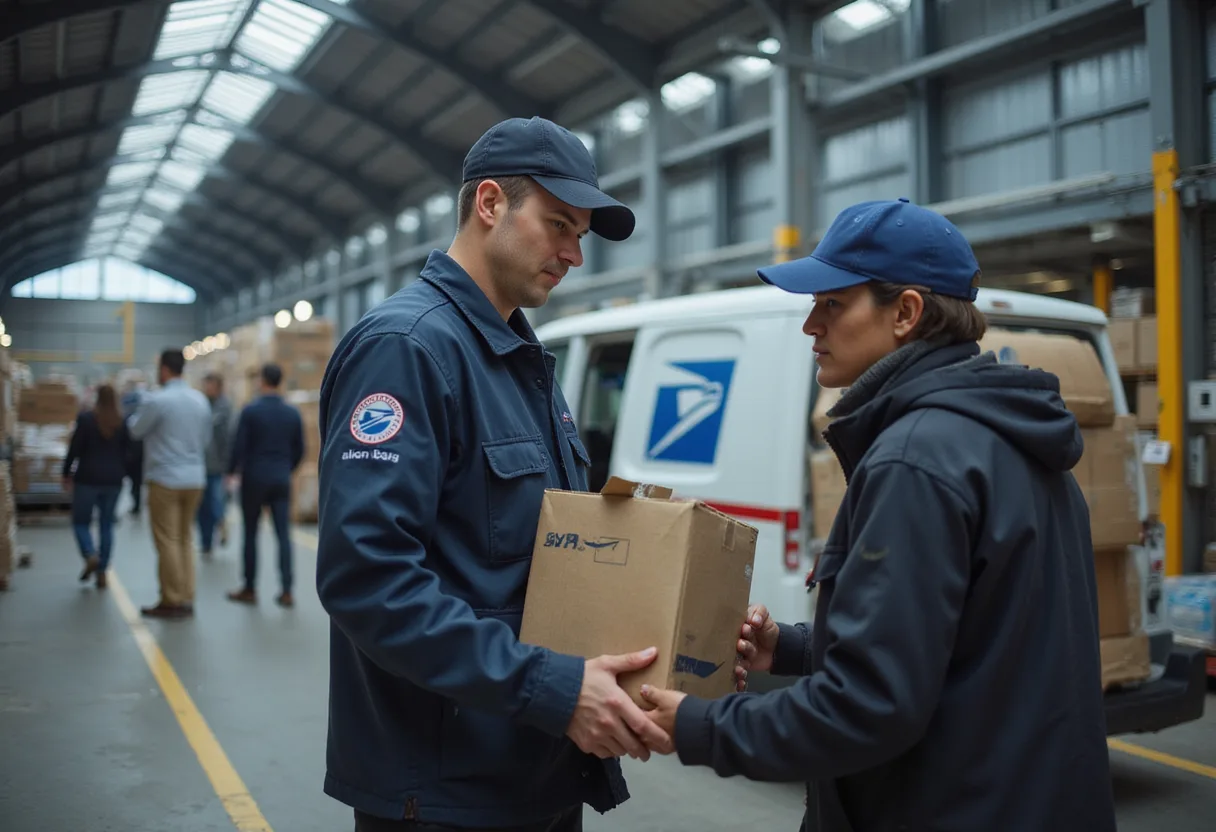
The U.S. Postal Service and Amazon have launched a same-day delivery pilot built around a second daily package drop, with volumes capped at 200 packages per site across two initial sorting and delivery centers.
The pilot began Tuesday at USPS facilities in Morgantown, West Virginia, and Lake Havasu City, Arizona, according to a Sept. 21 memo from the National Association of Letter Carriers union published by Postaltimes.com. Amazon packages entering the Postal Service network between 12 p.m. and 1 p.m. local time are sorted by clerks and delivered by city carriers between 2 p.m. and 8 p.m. the same day. Each location carries a 200-package volume limit and requires three dedicated delivery routes. The memo sets no end date for the program.
Amazon spokesperson Terrence Clark confirmed the pilot in an email, saying the additional scheduled drop — layered on top of the typical morning arrival — expands services and options for customers.
"For example, orders placed later in the day would now be eligible for same day delivery through this pilot," Clark said. "The process is the same otherwise."
The Postal Service did not respond to a request for comment by publication time.
The economics behind the arrangement
The pilot carries asymmetric stakes for the two partners. Amazon has spent more than $5 billion with USPS in recent years, according to the company, but it has also rapidly built out in-house delivery capacity and earlier this month was reported to be projecting reduced reliance on USPS and UPS. The two parties renegotiated a scaled-back shipping agreement earlier this year.
For USPS, Amazon remains a key revenue source for a financially struggling agency. Monetizing its nationwide last-mile network for faster delivery has become a strategic priority. In January, the Postal Service opened a bidding process letting shippers reserve capacity at last-mile facilities, with winning bidders able to move volume into those sites for same-day or next-day delivery. The Amazon pilot extends that logic: the afternoon drop fills a network window — post-morning-sort carrier capacity between 2 p.m. and 8 p.m. — that would otherwise sit idle.
For Amazon, the measured cost of the pilot so far is small. Two hundred packages per site across two locations is a rounding error against the company's delivery volume. What Amazon buys with it is a same-day capability for late-day orders in markets where its own network may not justify dedicated afternoon density, particularly in categories like food and essentials where delivery speed increasingly drives purchase decisions.
Small start, scheduled expansion
The pilot is scheduled to grow. The Columbia, South Carolina, sorting and delivery center joins Oct. 20 with a volume cap of 500 packages and five required delivery routes, per the memo. That trajectory — from 400 packages across two sites to 500 at a single third site — signals the partners are testing whether the afternoon-drop model scales beyond small-market facilities.
Same-day speed has been a growing priority for Amazon this year. The company has announced one-hour and three-hour delivery options, and it plans a sixfold expansion of drone delivery coverage capable of reaching customers in as little as 30 minutes.
What remains unmeasured is whether the pilot's unit economics work for USPS at scale — the memo discloses route requirements and volume caps but not the pricing terms. With the Columbia expansion set for Oct. 20 and no end date on record, the pilot's durability will depend on whether those three-to-five-route commitments translate into sustainable carrier utilization rather than subsidized speed for Amazon's late-afternoon orders.
via techtarget.com (Original)
More from Amara Osei
Show full bio
News editor covering technology and product news in Wholesale and distribution industry coverage for B2B professionals at Distribution Brief.
143 articles