Supply Chain & LogisticsTX-8BFC
Maersk Takes Over Management of Puma's 2M-Sq-Ft US Distribution Network
Maersk now runs over 2 million square feet of Puma's automated North American distribution, with a Torrance facility set to serve multiple clients from 2027.
- Scan date
- September 29, 2026
- Handle time
- 4 min
- Ticket
- TX-8BFC
Packing list
Maersk manages more than 2 million square feet of Puma's North American distribution network, including automated warehouses in Arizona, California and Indiana.
Maersk operates more than 70 fulfillment facilities in North America totaling about 22.5 million square feet, and more than 500 warehouses globally spanning over 100 million square feet.
The Torrance, California facility becomes Maersk's first in North America to support multiple clients, with capacity for other brands starting in 2027.
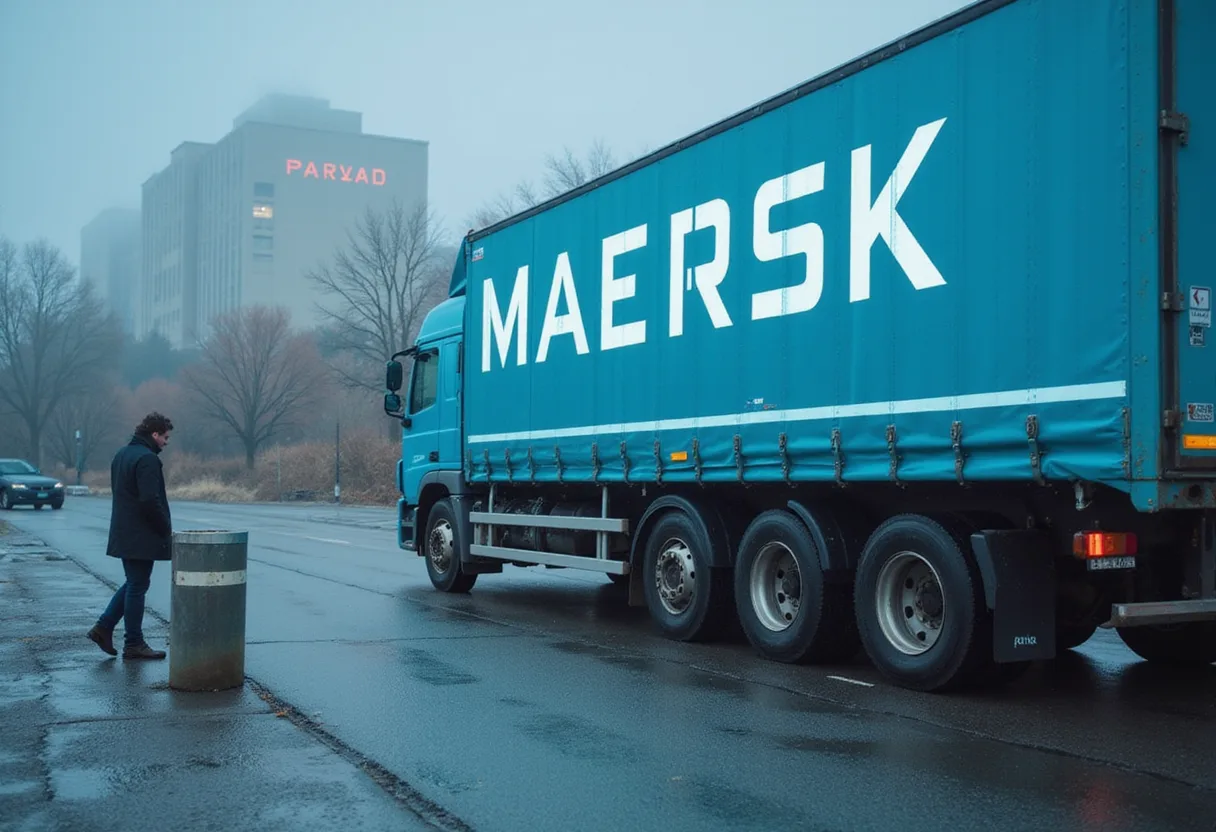
A.P. Moller-Maersk now manages more than 2 million square feet of Puma's North American distribution network, marking a decisive step in the Danish carrier's push beyond ocean freight into contract logistics.
The agreement covers Puma's automated warehouses in Arizona, California and Indiana. Both companies described the deal as a "next phase" of a partnership that "has expanded well beyond ocean shipping." Maersk already provides Puma with air freight, customs services, fulfillment and inland transportation.
The economics driving the arrangement are straightforward: Puma has sunk capital into highly automated U.S. facilities and wants a higher return on that fixed asset base. Maersk brings operating expertise and technology to extract more throughput from infrastructure the brand already owns — a model that shifts the conversation from building new capacity to sweating existing assets.
"Many companies are looking for ways to get more value from the logistics infrastructure they've already invested in," said Dave Hune, North America head of Maersk contract logistics, in a statement. "This partnership is a great example of how Maersk can combine our operational expertise, technology, and logistics network with a customer's existing assets to improve efficiency, maximize the value of automation, and reduce costs."
What the deal covers
Maersk said it will maximize the performance of Puma's automated facilities, improve efficiency and cut costs while serving orders across all three of the brand's channels: retail stores, ecommerce and wholesale customers. That multichannel mandate matters for inventory strategy — positioning stock closer to demand and responding faster to demand shifts across distinct order profiles.
Helmut Leibbrandt, senior vice president of supply chain management and logistics for the Americas at Puma, framed the deal in terms of asset productivity and channel responsiveness.
"As we've expanded our relationship with Maersk, we've seen the value of combining our highly automated distribution network with their operational expertise, technology, and integrated logistics capabilities," Leibbrandt said. "This next phase of our partnership strengthens our ability to move products more efficiently across channels, improve responsiveness to changing demand, and create greater value from the investments we've made in our U.S. distribution infrastructure."
He added that the retailer requires an "agile, efficient" supply chain.
Scale check: Maersk's logistics footprint
The contract bolsters Maersk's contract logistics position in North America. The company currently operates more than 70 fulfillment facilities on the continent totaling roughly 22.5 million square feet. The Puma allocation of 2 million-plus square feet represents just under 10% of that regional footprint. Globally, Maersk runs more than 500 warehouses spanning over 100 million square feet — figures the company discloses as context for its integrated logistics strategy, though it has not publicly broken out revenue or throughput specific to the Puma contract.
Maersk listed asset control and data visibility as "core benefits" of the arrangement — capabilities that translate directly into inventory position and channel power for a brand managing retail, wholesale and direct-to-consumer demand from shared stock.
The automation layer
Puma's three warehouses run AutoStore, an automated storage and retrieval system that combines hardware and software. Inventory sits in a compact grid; robots retrieve goods and deliver them to workstations where employees pick and pack. Maersk said the design reduces unnecessary travel and manual handling, improving speed, efficiency and workplace productivity "while making better use of available warehouse space."
The company also called AutoStore's design flexible and scalable, allowing operations to adapt to changing demand while maintaining fulfillment performance across ecommerce, retail and wholesale channels.
The Torrance wrinkle
One detail extends the deal beyond a single-client outsourcing arrangement. The California facility, located in Torrance, will become Maersk's first in North America to support multiple clients' operations. Starting in 2027, Maersk said, the site will have capacity "for other brands that need fast, automated order fulfillment near strategic air and ocean gateways as well as one of the largest consumer markets in the country."
That positions the Torrance site as shared infrastructure — a way for Maersk to spread fixed automation costs across multiple shippers and offer smaller brands access to AutoStore-class fulfillment capacity near the ports and airports serving Southern California.
Maersk tied the partnership to its broader strategy of "delivering integrated logistics solutions that connect physical assets, transportation networks as well as the latest technology and digital assets to create greater operational control, reliability and value for customers." The company noted that as supply chains grow more complex, fulfillment increasingly determines how well businesses position inventory near demand and serve consumers across channels.
Puma ranks No. 65 in the Europe Database, a market research tool that tracks the region's largest online retailers by annual ecommerce sales.
With the Torrance facility opening to additional clients in 2027, expect Maersk to court other consumer brands seeking automated fulfillment capacity in Southern California — and to use the Puma operation as its reference case for running client-owned automation at scale.
via subscription.digitalcommerce360.com (Original)
More from Olivia Hart
Show full bio
Market editor covering companies, deals and strategy in Wholesale and distribution industry coverage for B2B professionals at Distribution Brief.
137 articles