Grocery & Food SupplyTX-E17A
19 hospitalized after food poisoning outbreak at Walmart DC in Tennessee
19 Walmart associates hospitalized after food poisoning outbreak at the Lebanon, Tennessee distribution center overnight Oct. 8-9; cause under investigation, supply chain not implicated.
- Scan date
- October 12, 2026
- Handle time
- 3 min
- Ticket
- TX-E17A
Packing list
19 associates hospitalized and 25-30 treated at Walmart's Lebanon, Tennessee DC during the overnight shift between Oct. 8 and 9, 2026
Initial Wilson County reports cited roughly 120 cases and 30 hospitalizations; the case count has since been revised lower
Walmart says the outbreak does not involve food distributed to stores; suspected sources are meals catered or delivered to the facility
Gallup: 65% of U.S. adults are very or somewhat confident grocery food is safe, down from 73% in 2025 and 81% in 2019
Two prior Walmart-linked recalls this year: a Taylor Farms cyclospora outbreak and an E. coli outbreak tied to South American frozen berries
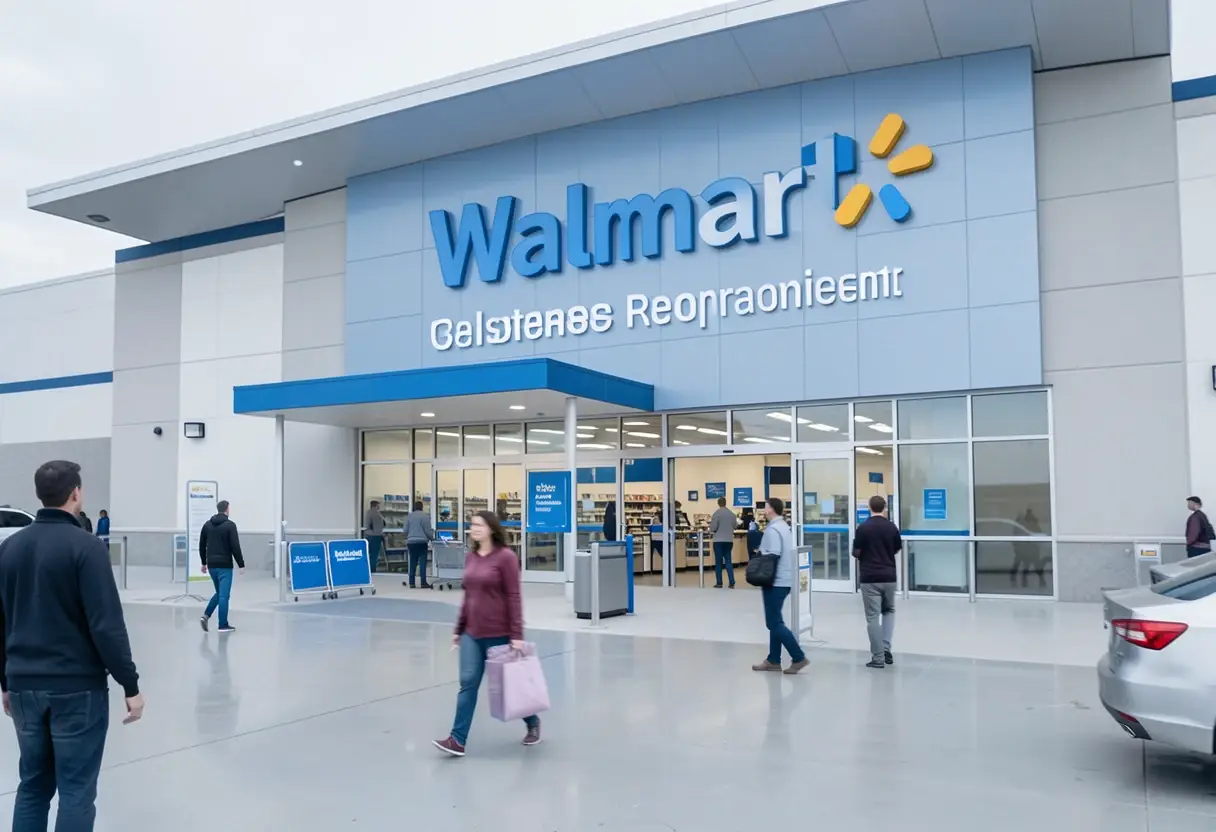
A food poisoning outbreak at Walmart's Lebanon, Tennessee distribution center sent 19 associates to hospitals during the overnight shift between Oct. 8 and 9, according to local emergency management reports. Emergency responders treated another 25 to 30 people at the facility itself.
How many were actually sick?
The numbers have moved. Initial reports cited roughly 120 cases and 30 hospitalizations. The current count is lower. Wilson County Emergency Management Agency could not be reached for further comment on the discrepancy.
The actual cause remains under investigation. Symptoms hit within hours of exposure, with vomiting predominant, according to analysis from foodpoisonjournal.com. That timing profile points to preformed toxins from Staphylococcus aureus or Bacillus cereus, both of which produce illness one to six hours after ingestion. Norovirus is another candidate because it spreads quickly person to person in closed settings like a night-shift break room.
Is the supply chain affected?
Walmart drew a hard line on that question. The outbreak does not involve food flowing to stores or customers, the retailer said. The suspect vectors are meals delivered or catered to the DC for associates working the overnight shift.
"The health and safety of our associates is a top priority," a Walmart spokesperson told Supermarket News. "We're working with local emergency management and health officials as they investigate."
The distinction matters. A DC incident tied to distributed inventory would trigger recall exposure across Walmart's U.S. store base and the suppliers feeding it. A catered-meal incident does not. The press release was built around that line for a reason.
What's the recall context?
The timing is rough for Walmart. The chain has already absorbed two product-linked recalls this year. A cyclospora outbreak traced to Taylor Farms iceberg lettuce grown in Mexico pulled Walmart-branded salads from shelves. An E. coli outbreak tied to South American frozen berries hit Walmart, Publix, and Trader Joe's at the same time.
Consumer confidence has slipped alongside. A Gallup poll found 65% of U.S. adults very or somewhat confident that grocery store food is safe to eat, down from 73% in 2025 and 81% in 2019. The share not too confident or not at all confident has nearly doubled to 34%, from 18% in 2019.
Put those numbers together and the gap widens. One hospital visit at a DC is a local story. Nineteen, in a year of cross-border produce and berry contamination, is a category story.
What does it cost the channel?
Recalls hit grocery economics through three doors. Chargebacks from retailers to suppliers when a category gets pulled. Insurance recoveries that rarely cover the full hit. And the sales dip while consumers work through the bad headlines. Walmart's distribution scale would magnify any product-linked hit. A national outage on a high-velocity category can move quarterly margin.
This incident isn't there yet. The investigation hasn't pointed at the supply chain.
What's next?
State lab results will decide the direction. Walmart hasn't said whether the implicated food came from an internal cafeteria, a contracted caterer, or associate-brought meals. Until those results land, the story stays inside the Lebanon facility and Walmart's associate welfare messaging holds.
via tennessean.com (Original)
More from Priya Raman
Show full bio
Correspondent covering technology and product news in Wholesale and distribution industry coverage for B2B professionals at Distribution Brief.
125 articles