Wholesale ChannelsTX-83DF
Wholesale Distributors Expand DC Footprint for Regional Speed
Wholesale distributors are adding distribution capacity to speed regional fulfillment, Distribution Strategy Group reports — a fixed-cost bet on service-level advantage.
- Scan date
- October 9, 2026
- Handle time
- 2 min
- Ticket
- TX-83DF
Packing list
Wholesale distributors are adding distribution capacity specifically to speed regional fulfillment, Distribution Strategy Group reports.
The strategy moves inventory closer to end customers to cut transit times and defend account positions.
The source discloses no specific square footage, capex figures, or named distributors behind the buildout.
Capacity expansion raises fixed costs, making inventory turns and volume density critical to protecting operating margins.
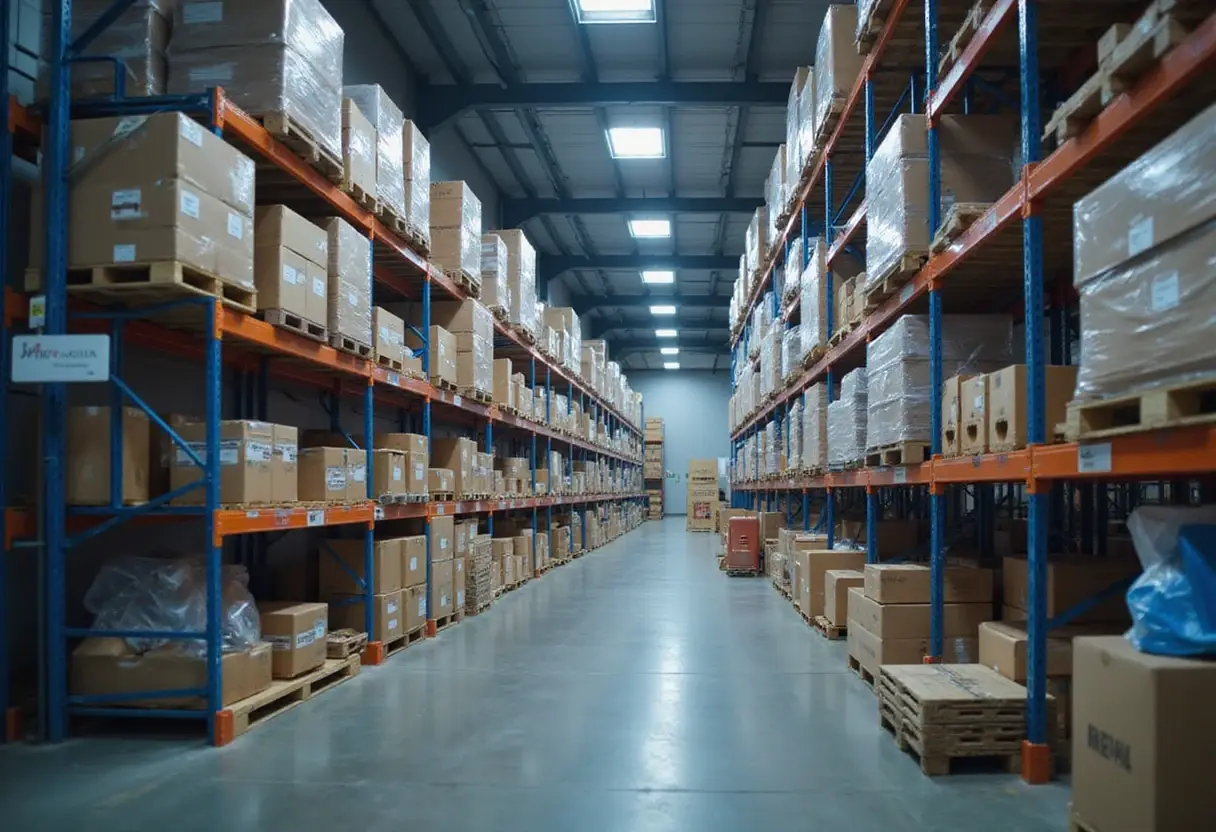
Wholesale distributors are adding physical distribution capacity to shorten regional fulfillment times, according to Distribution Strategy Group — a capacity buildout that puts square footage, not software, at the center of the latest service-level race in wholesale channels.
The report, headlined "Wholesale Distributors Add Distribution Capacity to Speed Regional Fulfillment," signals that distributors across verticals are investing in warehouse and distribution center expansion aimed specifically at moving product closer to end customers. The strategic logic is straightforward: every added node in a regional network cuts transit time, and transit time is increasingly the variable that decides which distributor holds the account.
What is measured, and what is asserted?
The source headline and framing confirm the direction of the investment — more distribution capacity, deployed regionally, to accelerate fulfillment. It does not disclose specific figures: no square footage added, no capital expenditure, no named distributors, no disclosed volume targets. Readers should treat this as a confirmed trend statement rather than a quantified one.
That distinction matters for margin analysis. Adding distribution capacity is a fixed-cost commitment. It raises the bar on inventory turns, because more nodes mean more safety stock spread across more locations unless the distributor offsets the fragmentation with better demand sensing. Distributors making this move are effectively betting that the gross margin protected by faster delivery — fewer lost orders, fewer expedited freight charges, stronger share within key regional accounts — exceeds the carrying cost and operating expense of the added footprint.
Why regional fulfillment is the battleground
The economics driving the buildout are structural. Customers in wholesale channels increasingly benchmark distributors against parcel and last-mile delivery standards set outside the industry entirely. A distributor that can fulfill regionally within a tight window defends its account position; one that cannot risks displacement by a competitor with a node closer to the customer.
Capacity additions also shift channel power. A distributor with dense regional coverage becomes harder for suppliers to bypass and more attractive to suppliers seeking reach without building their own infrastructure. The fulfillment network itself becomes a moat in a way that pricing alone no longer provides.
The risk side is equally concrete. Distribution real estate and labor carry ongoing cost whether volumes materialize or not. If regional demand softens, the added capacity pressures operating margins rather than protecting them. Distributors pursuing this strategy will need volume density — higher inventory turns, fuller trucks, more orders per drop — to convert square footage into returns rather than overhead.
What comes next
Distribution Strategy Group's reporting suggests the capacity race is underway rather than anticipated. The open questions the source does not yet answer — who is building, where, and at what capital cost — will determine whether this wave of expansion strengthens incumbent distributors' regional positions or leaves the industry with costly, underutilized space.
via Google News: Wholesale distribution (Source)
More from James Calloway
Show full bio
Senior reporter covering regulation, policy and their impact on Wholesale and distribution industry coverage for B2B professionals at Distribution Brief.
138 articles