Deals & ConsolidationTX-5E41
Warren Targets Kroger, Sysco and McCormick Deals in Antitrust Push
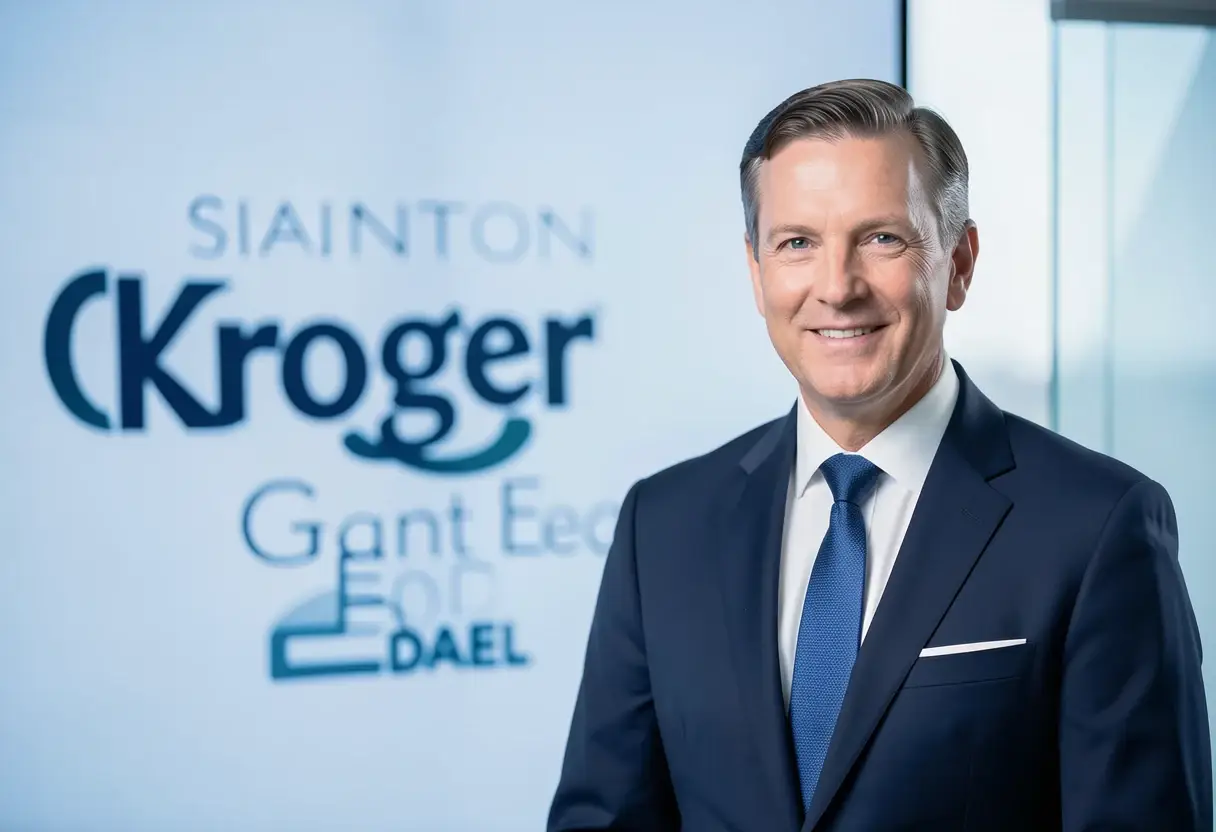
Sen. Elizabeth Warren urged the DOJ and FTC to scrutinize $95.8 billion in food mergers: Kroger–Giant Eagle, Sysco–Restaurant Depot and McCormick–Unilever's food unit.
- Scan date
- October 13, 2026
- Handle time
- 3 min
- Ticket
- TX-5E41
Packing list
Sen. Elizabeth Warren sent letters to the DOJ and FTC on Oct. 8, 2026, urging scrutiny of three food-industry mergers.
Kroger proposed a $1.65 billion acquisition of Giant Eagle in July 2026.
Sysco bid $29.1 billion for cash-and-carry supplier Restaurant Depot.
McCormick's bid for Unilever's food business could create a '$65 billion food goliath'; the UK regulator plans scrutiny.
The FTC blocked Kroger–Albertsons in 2024, and Sysco abandoned its US Foods bid in 2013 after FTC pressure.
Three food-industry acquisitions worth a combined $95.8 billion drew a formal antitrust challenge from U.S. Sen. Elizabeth Warren on October 8, 2026, in letters to the Department of Justice and the Federal Trade Commission.
The deals span the full grocery supply chain. Kroger wants regional chain Giant Eagle for $1.65 billion. Sysco, the country's largest food distributor, has bid $29.1 billion for cash-and-carry supplier Restaurant Depot. McCormick is pursuing the bulk of Unilever's food business, a combination Warren calls a potential "$65 billion food goliath."
"In isolation, each of these mergers would raise competition concerns; together, they appear to reveal a growing consolidation trend, driven by weak antitrust enforcement under President Trump, that raises costs and hurts consumers, restaurants, and small businesses," Warren wrote.
What does the letter change for distributors?
For now, nothing legally. Warren's letter is pressure, not a lawsuit. But the senator has a track record of deals she targeted eventually dying. The FTC blocked Kroger's acquisition of Albertsons in 2024. Sysco abandoned its attempted purchase of US Foods in 2013 after the FTC moved against it.
Both precedents matter here. Sysco's Restaurant Depot bid sits in the same channel — broadline and cash-and-carry foodservice distribution — that regulators scrutinized more than a decade ago. Restaurant Depot largely serves independent restaurants, the segment with the least purchasing leverage. Warren argues a combined Sysco–Restaurant Depot would leave those operators with fewer suppliers and weaker terms on price, payment and service.
For independent operators, that's the core economics question. A restaurant that loses its second viable wholesale source doesn't just pay more per case. It loses the ability to walk. That negotiating power is what Warren wants the agencies to price into their review.
Where does each deal create overlap?
- Kroger–Giant Eagle: Kroger is already the largest U.S. supermarket chain. Warren notes considerable territorial overlap between the two banners, which she says raises the risk of reduced local competition and higher grocery prices.
- Sysco–Restaurant Depot: Two major foodservice distributors combining, concentrating wholesale supply for independent restaurants.
- **McCormick–Unilever foods: Multiple overlapping pantry-staple brands, reducing competition for consumer shelf space and grocery dollars. The UK's competition regulator has already said it plans to scrutinize the deal.
What is Warren asking the agencies to do?
"The DOJ and FTC must carefully scrutinize these food industry mergers and ensure that further corporate consolidation does not come at the expense of American consumers and their families," she wrote.
Her warning is direct: if the administration rubber-stamps the deals, consumers face higher prices and fewer choices. She tied the risk to three spending decisions households make daily — "which restaurants to dine at, which supermarkets to shop at and which brands to purchase."
The channel-power question
Distributors should read this as a signal about regulatory appetite, not just political theater. Warren frames the three deals as one trend rather than three isolated transactions, and she pins that trend on enforcement she considers weak. That framing invites the agencies to look at cumulative concentration across grocery, foodservice distribution and branded pantry supply — not deal by deal.
For Sysco, the stakes are the largest. A $29.1 billion acquisition that mirrors the structure of its blocked 2013 US Foods bid gives the FTC a ready-made analytical template if it chooses to intervene. Kroger faces a similar shadow: it has just absorbed one blocked grocery merger and is now proposing another with direct store overlap. McCormick's deal is the only one already facing formal review abroad, by the UK regulator, before U.S. agencies have acted.
No agency has opened a formal proceeding against any of the three deals as of the letter's date. The question for the coming months is whether Warren's pressure produces FTC or DOJ scrutiny that matches the UK's — and whether any of the three buyers end up repricing or abandoning their targets the way Sysco did in 2013.
via Supermarket News (Source)
More from Amara Osei
Show full bio
News editor covering technology and product news in Wholesale and distribution industry coverage for B2B professionals at Distribution Brief.
143 articles