Distribution TechnologyTX-5F74
Walmart's $6 Billion Deal Covers 25 Distribution Centers
Walmart’s $6 billion Symbotic commitment covers 25 U.S. distribution centers, but omitted productivity, labor and cost data leave the operating return unproven.
- Scan date
- November 9, 2026
- Handle time
- 5 min
- Ticket
- TX-5F74
Packing list
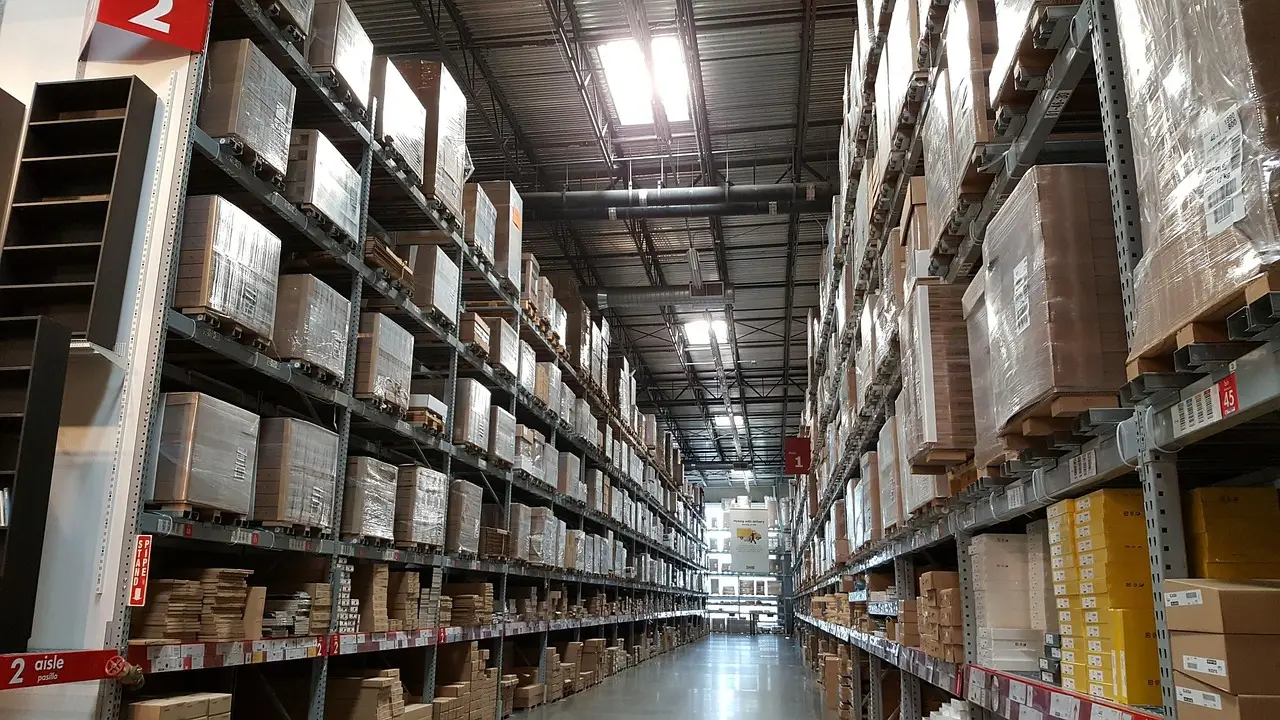
Approximately $6 billion over several years covers systems and development at 25 U.S. regional distribution centers.
$125 million of the commitment funds racking, picking, product-movement and inventory-management development.
Symbotic says the agreement could add as much as $6.92 billion to future order backlog.
Software licensing, maintenance, spare-parts and support fees sit outside the initial commitment.
Walmart separately invests more than $330 million in a Louisiana regional distribution center.
By James Calloway
Walmart Inc. has committed approximately $6 billion over several years to purchase Symbotic Inc. warehouse-automation systems and fund development programs at 25 U.S. regional distribution centers, according to an Oct. 29 filing with the Securities and Exchange Commission.
Symbotic said the agreement could add as much as $6.92 billion to its future order backlog, reflecting the potential value of additional systems and development work. That figure describes potential future orders, not disclosed recognized revenue, installed capacity or operating savings.
The $6 billion includes $125 million for research and development of warehouse racking technology, picking systems, product movement and inventory-management capabilities. It is an initial commitment across multiple facilities over several years, not a disclosed budget for each center.
“Our work with Symbotic over the years, including this expanded agreement, helps us improve service, grow capacity, simplify work for our associates and lower costs,” said Rob Montgomery, executive vice president of Walmart U.S. Supply Chain Operations.
Walmart also says the systems should support broader assortments and faster, more reliable product movement. Those are operating objectives; Walmart has not disclosed projected labor savings, productivity improvements or financial returns, and the companies have not quantified expected operating-cost reductions.
What does the agreement cover?
The expanded agreement extends beyond equipment purchases and installations:
- Additional automated material handling, which stores, moves and retrieves merchandise, plus robotics and artificial-intelligence software coordinating storage, picking and movement.
- Symbotic's filing says Walmart committed to systems for U.S. distribution and fulfillment facilities and selected international markets in the Americas. Walmart separately describes potential expansion into its international distribution operations.
- Technology development, software licensing, system maintenance and support services.
- Fees for software licenses, maintenance, spare parts and related services, which sit outside the initial $6 billion commitment.
- Potential later agreements covering additional automation systems and technology projects.
- Walmart's initial spending commitment cannot be reduced without written agreement from both companies, subject to specified termination provisions.
Walmart and Symbotic did not disclose which centers will receive the systems, when installations will finish or how much operating cost the project should remove. Total ownership costs also remain open because licensing, maintenance, spare-parts and support fees sit outside the initial figure.
How does the automation work?
Symbotic, based in Wilmington, Massachusetts, develops warehouse robotics and software that automate product storage, picking and movement. Its artificial-intelligence software coordinates robots and manages how merchandise travels through distribution facilities.
BreakPack supports picking individual products from cases. SymMicro is a smaller automated fulfillment system designed for e-commerce operations. Together, those capabilities let facilities handle different order sizes, including orders that do not require full cases.
Walmart says the expanded systems will support inventory management upstream from e-commerce fulfillment, increase storage capacity and improve product flow across its network. They also support store replenishment as Walmart continues expanding automated fulfillment operations.
That is design intent, not measured output.
The account discloses no robot count, productivity gain, labor saving, operating-cost reduction or expected return. It also does not say whether employment at the 25 distribution centers will change.
What does the deal mean for distributors?
Wholesale distributors face similar operating requirements: larger assortments, smaller orders, inventory accuracy and reliable movement from suppliers through distribution centers to stores and customers. The combined system—automated storage, robotic picking and movement software—can reduce manual handling and store more merchandise within existing space. Financial benefits depend on the operation and installation cost.
The relevant comparison is a national network versus a smaller regional facility. Installation expense and order volume can determine whether the business case works, and the source discloses neither for this agreement.
For distributors, the economic links remain hypotheses rather than reported results:
- Gross margin: Automation could reduce handling expense, but no cost data establish whether any savings affect gross margin (revenue after cost of goods sold) rather than operating expenses.
- Inventory turns (how often inventory is sold and replenished): Denser storage and better tracking could improve turns, but no turnover, stock-level or accuracy metric was disclosed.
- Channel power (the ability to influence supply terms and service requirements): Greater control of storage, picking and replenishment data could strengthen Walmart's coordination with suppliers, although no supplier terms or service commitments were disclosed.
- Customer economics (the cost and service consequences of each order): Individual-item picking and smaller e-commerce systems may lower handling complexity for smaller orders, but the source supplies no transaction volumes, cost per order or fulfillment charges.
Separately, Walmart is investing more than $330 million in a Louisiana regional distribution center, including robotics and automation intended to increase shipping capacity. The project accompanies continued investment in regional distribution centers and fulfillment operations.
Can the investment case be measured?
Symbotic has supplied Walmart with warehouse automation as the retailer sought more distribution capacity and better merchandise handling.
“Our partnership with Walmart started with a single product over a decade ago, and now we offer a full end-to-end solution to help power Walmart’s growth across its supply chain for years to come,” said Rick Cohen, chairman and CEO of Symbotic.
That is vendor characterization, not financial validation.
The next disclosures that would validate the economics are specific: the center list, installation schedule, robot count, employment effects, labor and productivity results, cost savings, inventory turns, customer order volumes and any international follow-on. Until those appear, $6 billion measures committed spending, and $6.92 billion measures potential backlog. Neither establishes realized distribution performance. The multiyear program may expand through additional projects; its return will become measurable only as installed systems generate separate operating data.
via distributionstrategy.com (Source)
More from James Calloway
Show full bio
Senior reporter covering regulation, policy and their impact on Wholesale and distribution industry coverage for B2B professionals at Distribution Brief.
158 articles