Grocery & Food SupplyTX-1E74
Walmart Pledges 'We Price the Product, Not the Person' as Digital Shelf Labels Spread
Walmart CEO John Furner pledged the retailer will not personalize prices as digital shelf labels roll out chainwide, days after Seattle became the first U.S. city to ban surveillance pricing.
- Scan date
- September 28, 2026
- Handle time
- 4 min
- Ticket
- TX-1E74
Packing list
Walmart CEO John Furner pledged in a September 28 customer letter that the retailer will not charge different prices based on the shopper or time of day, citing the EDLP business model.
Digital shelf labels are being installed companywide at Walmart and Sam's Club, enabling near-instant price changes and eliminating manual paper-tag replacement.
Seattle became the first U.S. city to ban surveillance pricing; New Jersey, Connecticut and Maryland have similar measures, New Jersey's includes a one-year moratorium on digital shelf labels, and the FTC is seeking public comment.
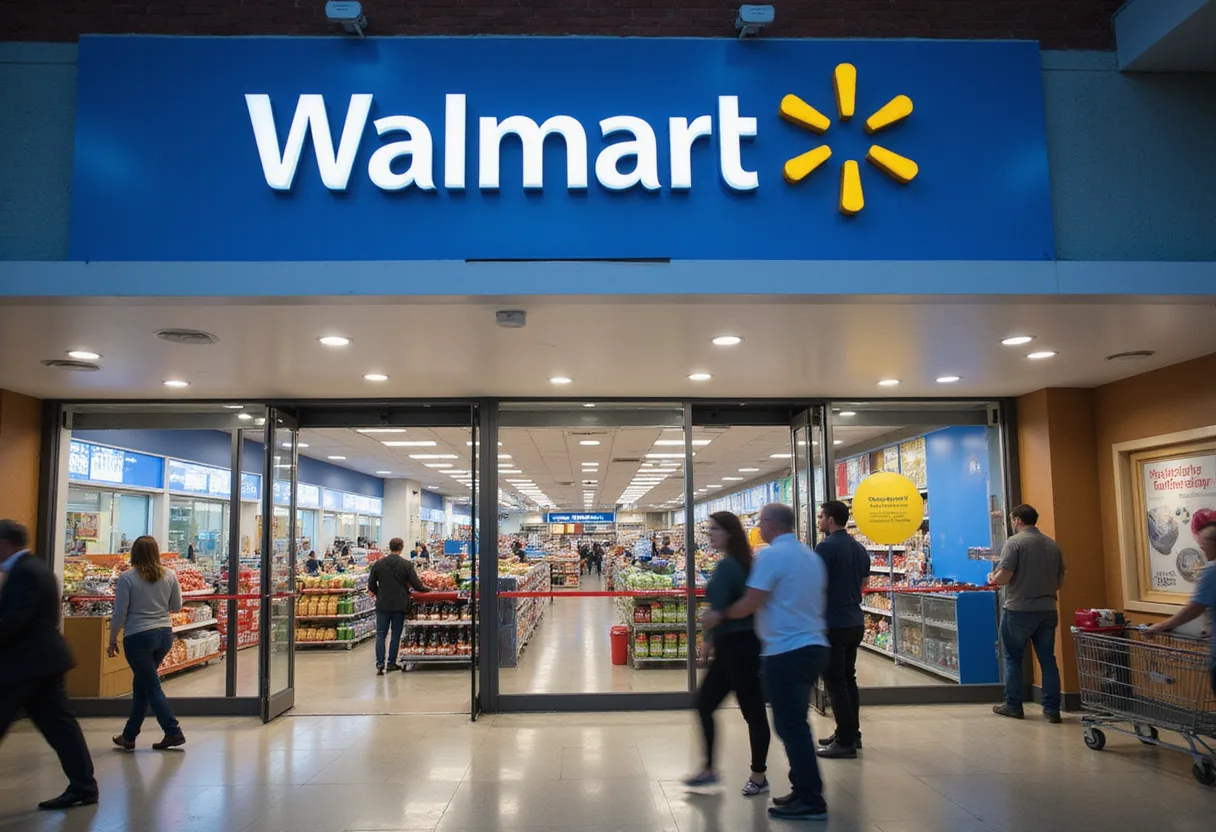
Walmart will not vary prices by shopper or time of day, CEO John Furner wrote in a letter to customers published September 28, an explicit pledge tied to the retailer's everyday-low-price model as the companywide rollout of digital shelf labels accelerates across Walmart and Sam's Club stores.
"Using someone's income, shopping history or moment of need to charge them more would violate the EDLP promise our business model is built on," Furner wrote. "We won't do it."
The commitment carries commercial weight. EDLP is the mechanism behind Walmart's inventory discipline and supplier terms — predictable shelf prices reduce promotion cycles, stabilize demand forecasting, and underpin the volume leverage Walmart exerts over consumer packaged goods vendors. A move toward dynamic, individualized pricing would break that architecture, so Furner's pledge is less a concession than a restatement of the company's structural advantage.
The technology behind the suspicion
At issue is Walmart's continuing installation of digital shelf labels, which allow near-instant price changes at the shelf. The labels are being deployed at both Walmart and Sam's Club. Furner framed their function narrowly: the technology ensures customers are charged the correct price at checkout and eliminates the manual replacement of paper labels, a labor task he described from experience.
"As someone who has had to change those paper tags by hand over the years, I can tell you it's a time-consuming and unrewarding task," he wrote.
That labor argument is measurable. Electronic labels reduce the hours associates spend on price-tag swaps and cut the incidence of shelf-vs-register price mismatches, a known driver of customer complaints and regulatory attention. What the technology could do in principle — surge pricing, demand-based adjustments — remains an asserted risk, not a documented Walmart practice. Furner's letter addresses the possibility, not any disclosed incident.
A regulatory map that is filling in fast
The letter lands in an increasingly restrictive environment. Last week Seattle became the first U.S. city to ban so-called "surveillance pricing," defined in the ordinance as using a consumer's personal data to change the price displayed for groceries and other essential items.
Seattle follows New Jersey, Connecticut and Maryland, which have passed similar measures. New Jersey's law went further, imposing a one-year moratorium on installing digital shelf labels — a direct constraint on the exact technology Walmart is deploying. California has considered a ban, and the Federal Trade Commission is currently seeking public comment on the practice, a step that typically precedes possible federal action.
For distributors and suppliers serving grocery and general merchandise channels, the regulatory patchwork matters operationally. A state-level ban on electronic labels would fragment equipment standards, complicate rollout economics for retail chains, and slow the labor-saving case that retailers use to justify the capital spend.
Sparky under the same rules
Furner also addressed Sparky, the AI-driven digital shopping assistant Walmart rolled out last year. He said the tool will never be used to charge certain customers higher prices, while acknowledging that Walmart does use customer personal data — only, in his framing, to deliver "better service."
"I've heard concerns about companies using that information and technology to charge you more," Furner wrote. "I want to tell you where we stand: We price the product, not the person."
He said customers will always choose whether to share personal details for personalized service, and pledged transparency on how Walmart uses and protects that data. Oversight remains internal: "Our people will continue to oversee pricing, and we'll monitor and test our technology against these commitments," he wrote.
What is measured, what is asserted
The claims break down cleanly. Measured: the label rollout itself, the labor savings from eliminating paper tags, and the four enacted state or municipal restrictions plus the FTC comment process. Asserted but unverifiable from outside: that Walmart's pricing algorithms will never incorporate individual-level signals, and that human oversight will catch deviations at scale across thousands of stores. Furner's promise of internal monitoring is a governance commitment, not an external audit.
The FTC's comment window and pending decisions in California will determine whether "we price the product, not the person" becomes a voluntary pledge or a federally enforced standard across retail channels.
via corporate.walmart.com (Original)
More from James Calloway
Show full bio
Senior reporter covering regulation, policy and their impact on Wholesale and distribution industry coverage for B2B professionals at Distribution Brief.
138 articles