Supply Chain & LogisticsTX-F78C
Trump Reshuffles 50% Canada Tariffs: Plywood Out, Cocoa and ACs In
Plywood, machinery and paper exit the 50% Canada tariffs on Oct. 30; cocoa powder, carpets and air conditioners enter, as importers sue for refunds.
- Scan date
- October 30, 2026
- Handle time
- 3 min
- Ticket
- TX-F78C
Packing list
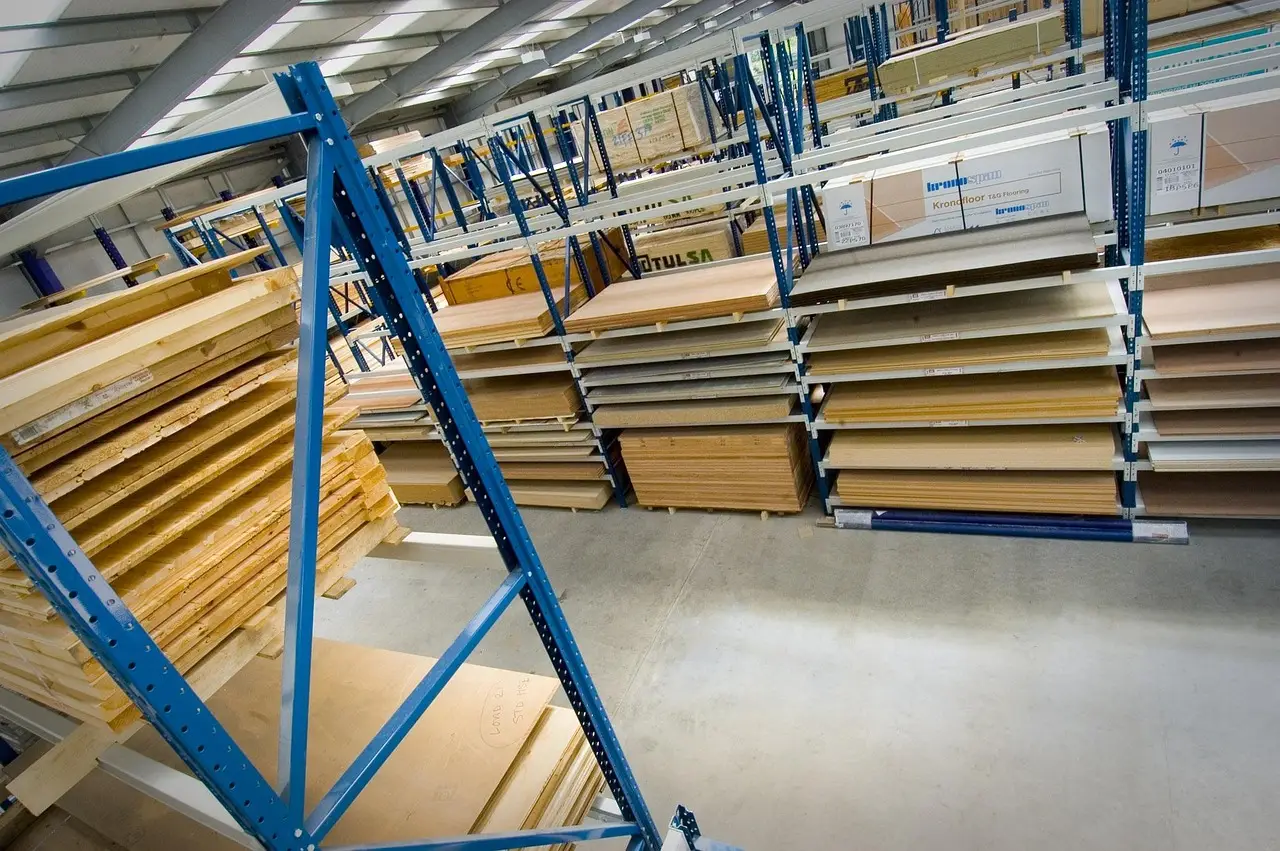
From Oct. 30, plywood, certain machinery and select paper goods exit the 50% Canada tariffs; cocoa powder, carpets and air conditioners enter.
Trump first ordered the 50% tariffs in July on about $20 billion in Canadian imports, invoking Section 338 of the Trade Act of 1930.
PM Mark Carney ended talks in mid-August; the levies took effect and Canada matched them with retaliation in September.
The Liberty Justice Center sued at the Court of International Trade for Gellert Global Group, seeking removal, a collection block and refunds.
By James Calloway
Effective October 30, plywood, certain industrial machinery, and select packaging and paper materials drop out of the 50% tariff wall covering Canadian imports, while cocoa powder, carpets, and air conditioners join it, under a proclamation President Donald Trump signed Friday.
The order reworks the scope of tariffs originally aimed at roughly $20 billion in Canadian goods. That figure was the value of covered imports when Trump first ordered the 50% duties in July. The administration has not disclosed revised trade volumes for the new list, so the actual share of the bilateral channel now exposed to the levy remains unmeasured.
What legal footing do the tariffs rest on?
Trump invoked Section 338 of the Trade Act of 1930 in August. The statute lets a president impose tariffs of up to 50% to counter discrimination against U.S. commerce. In the original order, Trump alleged Canada unfairly imposed duties and quotas on U.S. car imports, halted purchases of U.S. alcohol, and set tariff-rate quotas (a duty that jumps above a set import volume) on certain dairy products.
Friday's proclamation narrows the product list on the advice of senior executive branch officials, who told Trump the changes would still offset the alleged discrimination while serving the public interest. The proclamation does not explain how removing plywood while adding air conditioners preserves that offset. No methodology was published.
How did the escalation unfold?
The July order triggered a month of trade talks. Canadian Prime Minister Mark Carney called off the discussions in mid-August, and the levies took effect. Carney responded in September with retaliatory tariffs matching the U.S. rates. Trump then expanded the scope of the duties and imposed import bans on goods including specialty cheeses, boats, and furniture.
For distributors, each round of retaliation shifts landed cost and sourcing math across building products, machinery, packaging, and food categories. The October 30 changes cut input costs on one side of the ledger and raise them on the other. Importers of cocoa powder, carpets, and air conditioners face a 50% duty with little notice; plywood and paper buyers get relief of the same magnitude.
Who is challenging the tariffs in court?
The product changes landed the same week the Liberty Justice Center filed suit at the Court of International Trade on behalf of Gellert Global Group, a food importing company. The suit argues Trump did not meet Section 338's requirements to implement the tariffs and casts doubt on the statute's use given more recent legislation.
The plaintiffs seek three remedies:
- Removal of the tariffs
- A block on further duty collection
- Refunds for importers who already paid
No timeline for a ruling has been set, and duties remain collectible while the case proceeds.
What remains unquantified?
The White House asserts the tweaked list still counters Canadian discrimination. That is a claim, not a measured outcome. Neither the proclamation nor the trade agencies have published data on duty revenue collected to date, on how the September Canadian retaliation affected U.S. exporters, or on the import value now covered after exclusions and additions.
What is concrete: a statutory challenge is pending, refunds are on the table, and the covered product list changes again on October 30. Distributors on both sides of the border will be repricing contracts around a tariff regime whose legal foundation a federal court has yet to test.
via Supply Chain Dive (Source)
More from James Calloway
Show full bio
Senior reporter covering regulation, policy and their impact on Wholesale and distribution industry coverage for B2B professionals at Distribution Brief.
151 articles