Supply Chain & LogisticsTX-2555
Tilray Targets $20M in Cost Cuts After Shrinking Craft Brewing Footprint
Tilray Brands targets $20M in cost savings, cutting its brewing footprint from 10 sites to six and trimming distributors 9% ahead of its Carlsberg partnership.
- Scan date
- November 4, 2026
- Handle time
- 3 min
- Ticket
- TX-2555
Packing list
Tilray targets $20 million in cost savings over two years.
U.S. brewing footprint consolidated from 10 facilities to six; distributor network cut 9%.
SKU count reduced by about 28% since the beginning of 2025.
Q1 net revenue reached $257 million, up 23% year over year; beverage business grew 82% on the $44 million BrewDog acquisition.
Carlsberg partnership begins in January, requiring rapid scaling of U.S. operations.
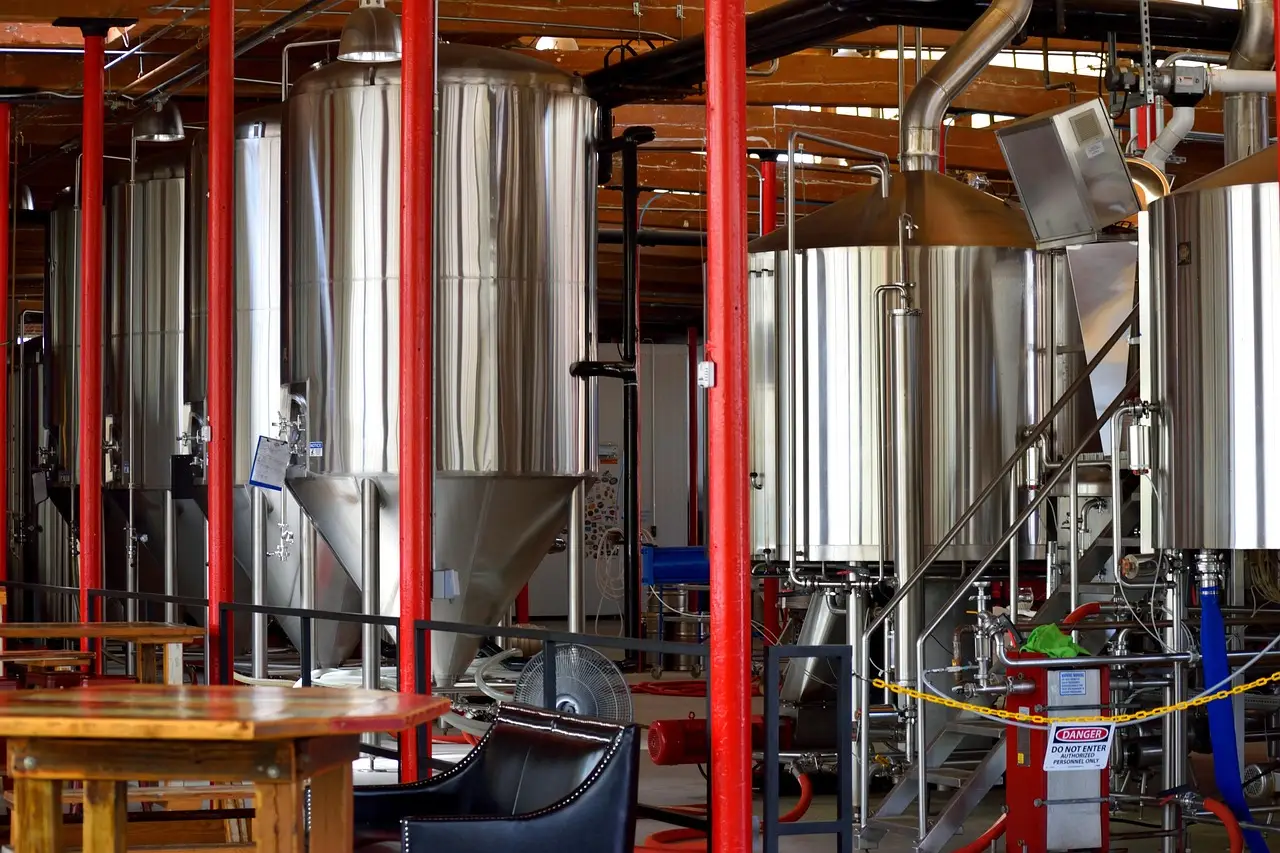
Tilray Brands is targeting $20 million in cost savings over the next two years after consolidating its U.S. brewing footprint from 10 facilities to six and cutting its distributor network by 9%. The move marks a significant retrenchment in craft beer for the owner of Shock Top and Redhook, and a deliberate shift of capital toward higher-margin categories.
The company said the reduction in craft brewing capacity is part of a broader reorganization of its beverage business to prioritize established regional brands, national offerings and what it calls "higher-potential growth categories" — specifically nonalcoholic beverages and functional energy drinks. Tilray said in a statement that "additional initiatives to reduce complexity are underway."
Since the beginning of 2025, Tilray has reduced its SKU count by approximately 28%, removing duplicative, lower-margin and "slower-moving" products. The cuts fall squarely on the economics that matter most to distributors: fewer SKUs and fewer production sites mean lower handling costs, tighter inventory turns and less working capital tied up in slow-moving stock.
What does the restructuring change for the supply chain?
CEO Irwin Simon said the company intends to reduce operational capacity further through additional consolidation of its distributor network. For wholesalers carrying Tilray's craft portfolio, that implies fewer — and larger — channel partners handling the volume going forward.
"With a more efficient cost structure and additional volume opportunities ahead, we expect these actions to drive margin expansion and stronger earnings across our U.S. beverage operations, while creating greater flexibility to reinvest in our brands," Simon said in a statement.
The physical footprint changes are concrete. Tilray closed breweries for Hop Valley, Redhook and Revolver, and moved Terrapin's production from the brand's Georgia brewery to other facilities. It also sold the Atwater brand, which it had acquired from Molson Coors in 2024.
The Carlsberg factor
The consolidation is not purely defensive. Tilray is preparing for its partnership with Carlsberg, set to begin in January, which will require the company to rapidly scale operations to distribute the Danish brewing giant's beers across the U.S.
"Bringing on Carlsberg is going to be a big feat for us," Simon said on an earnings call. "There's going to be a lot of product and a lot of opportunities with that."
The timing is deliberate: Tilray is shedding low-margin craft volume and production complexity now, so that freed-up capacity and a leaner cost structure can absorb a large-volume import partnership. Carlsberg's U.S. entry through Tilray will test whether the trimmed distributor network can handle a national-scale rollout.
The numbers behind the pivot
Tilray's most recent earnings illustrate why management sees growth outside traditional craft beer. The company posted net revenue of $257 million in its first quarter, a 23% increase year over year. Its beverage business grew 82%, driven largely by the $44 million acquisition of Scottish craft brewer BrewDog earlier in the year.
That acquisition, not organic craft growth, powered the beverage segment's expansion — a distinction worth noting when evaluating the company's stated pivot. The 28% SKU cut and the closure of four breweries suggest Tilray's existing craft portfolio was not carrying the margin weight to justify its footprint.
The strategy now rests on three legs: premium and imported brews, nonalcoholic beverages, and functional energy drinks, supplemented by the Carlsberg distribution deal. Craft brands survive where they serve established regional demand; elsewhere, production consolidates into fewer sites.
For distributors, the practical question is portfolio value: fewer Tilray SKUs but potentially higher turns per SKU, plus new Carlsberg volume arriving in January. How that trade nets out on gross margin will depend on the pace of the Carlsberg rollout and whether the promised $20 million in savings translates into reinvestment in the brands wholesalers are being asked to carry.
via Food Dive (Source)
More from Tom Whitfield
Show full bio
Staff writer covering companies, deals and strategy in Wholesale and distribution industry coverage for B2B professionals at Distribution Brief.
151 articles