Deals & ConsolidationTX-6173
Sysco Eyes $29B Restaurant Depot Deal in Foodservice Channel Consolidation
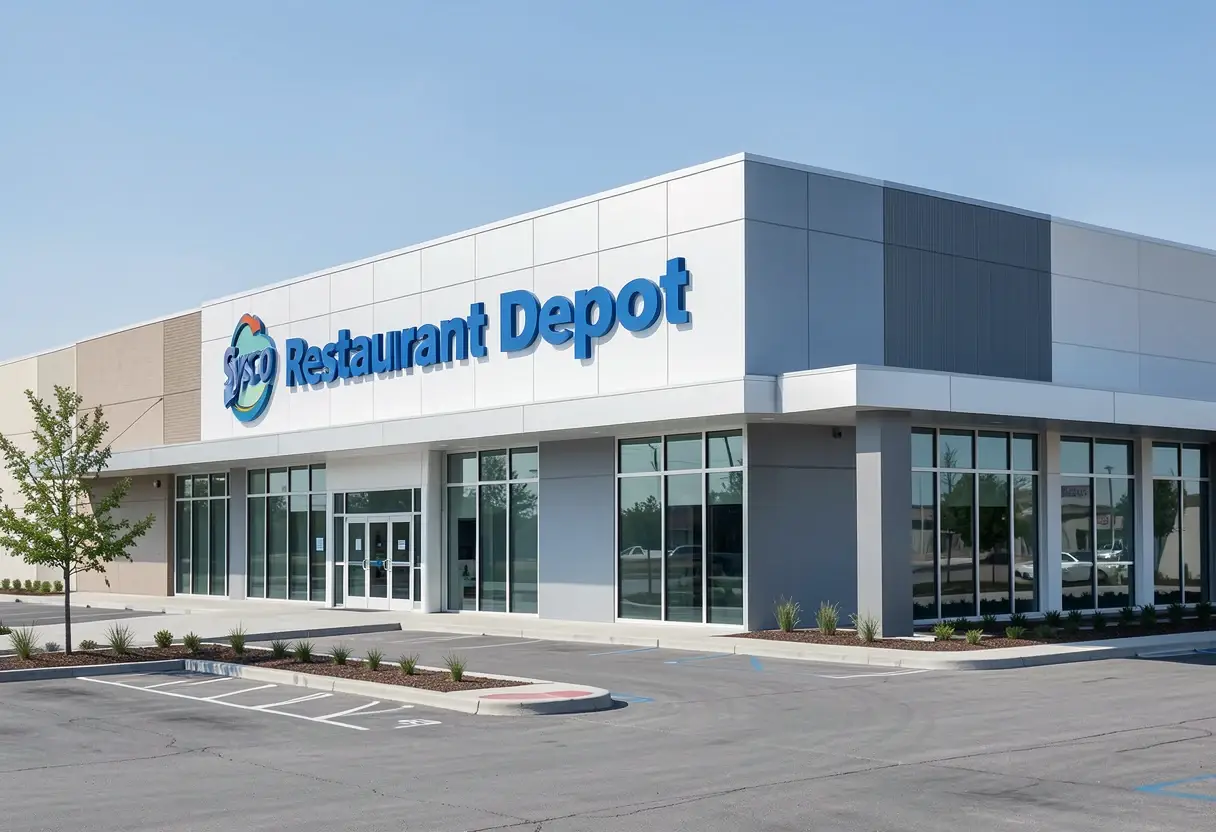
Sysco is preparing a roughly $29B acquisition of cash-and-carry chain Restaurant Depot, per the Houston Chronicle — a move that would fold a club-store channel into the largest U.S. broadline distributor.
- Scan date
- October 10, 2026
- Handle time
- 3 min
- Ticket
- TX-6173
Packing list
Sysco is preparing an approximately $29 billion acquisition of Restaurant Depot, per the Houston Chronicle
Restaurant Depot operates as a private cash-and-carry wholesale club serving independent restaurants
Sysco is headquartered in Houston and is the largest broadline foodservice distributor in North America
The Houston Chronicle report did not disclose deal structure, financing terms or closing timeline
A combined Sysco-Restaurant Depot would consolidate share in narrow product categories likely to draw FTC scrutiny under the 2023 merger guidelines
Sysco Corp. is preparing a roughly $29 billion acquisition of Restaurant Depot, a private cash-and-carry wholesale club chain serving independent restaurants and small foodservice operators, according to the Houston Chronicle. The reported price tag would mark one of the largest foodservice distribution transactions of the past decade and would hand Sysco direct ownership of a high-frequency, membership-driven channel that sits adjacent to its core broadline business.
The Houston-based distributor, the largest broadline foodservice supplier in North America, did not immediately respond to requests for confirmation of the report, and the Houston Chronicle piece did not contain executive quotes, financing terms or a definitive timeline. Restaurant Depot operates as a private company with no public financial disclosures, leaving the reported $29 billion figure to be weighed against an undisclosed revenue base and EBITDA profile.
What does a $29 billion price signal about channel economics?
Foodservice M&A precedents in the broadline and specialty distribution category have historically cleared at multiples tied to normalized EBITDA rather than revenue, reflecting thin margins (often 3-6% at the distributor level) and high inventory turnover. A headline price of $29 billion implies that Sysco's underwriting model is anchoring on cash-and-carry unit economics rather than broadline margins — a meaningful shift in how the deal would contribute to consolidated gross profit.
Restaurant Depot's format depends on member-paid entry, immediate cash settlement and minimal delivery cost, which structurally lifts contribution margins per transaction compared with a truck-based broadline delivery. Absorbing that channel allows Sysco to convert club-counter volume into a stable fixed-cost base without the route-driver economics attached to traditional broadline sales.
Why does the wholesale-club piece matter to Sysco?
Independent restaurants — the core customer set for cash-and-carry operators — typically fall below the volume threshold at which broadline distributors like Sysco, US Foods and Performance Food Group contract directly. The buyer overlap between club stores and traditional broadline accounts is widely estimated at under 20%, meaning Restaurant Depot would plug a customer-segment hole rather than cannibalize Sysco's existing book.
Key strategic elements the deal would deliver:
- A metro-dense footprint concentrated in high-restaurant-density U.S. markets
- Direct access to operators Sysco's broadline salesforce has historically not called on
- Private-label and procurement leverage across dry goods, proteins, beverages and disposables
- Cross-sell of Sysco broadline SKUs into Restaurant Depot's membership base
What changes for US Foods and Performance Food Group?
The two largest broadline competitors already operate on tight adjusted operating margins — historically in the 2-4% band. A consolidated Sysco-Restaurant Depot entity would gain negotiating leverage with protein suppliers and packaging vendors, raising the barrier to matching price at the independent-restaurant tier. Cash-and-carry clubs have also acted as pricing benchmarks on staples where club-store ticketing undercuts broadline list prices, a dynamic that would now operate inside a Sysco-controlled P&L.
What the Houston Chronicle report does not yet disclose
The source did not include deal structure (cash vs. stock), antitrust commentary, divestiture expectations, financing banks or closing-condition language. Restaurant Depot's revenue, EBITDA and store count were not disclosed in the report; industry estimates of its footprint at more than 150 U.S. locations have circulated in trade press but are not confirmed by the Chronicle reporting.
What to watch next
The transaction, if executed, will likely trigger a Federal Trade Commission second request under the 2023 merger guidelines, given combined share in narrow categories such as beef, poultry, frozen seafood and disposables. Watch for a definitive agreement filing, HSR pre-merger submissions and any competing indication of interest from US Foods or Performance Food Group, each of which has the balance-sheet capacity to underwrite a counter-bid.
via Google News: Cash and carry (Source)
More from Tom Whitfield
Show full bio
Staff writer covering companies, deals and strategy in Wholesale and distribution industry coverage for B2B professionals at Distribution Brief.
144 articles