Industrial & MRO SupplyTX-83DA
Sonepar Subsidiary Expands in Indiana, Industrial Distribution Says
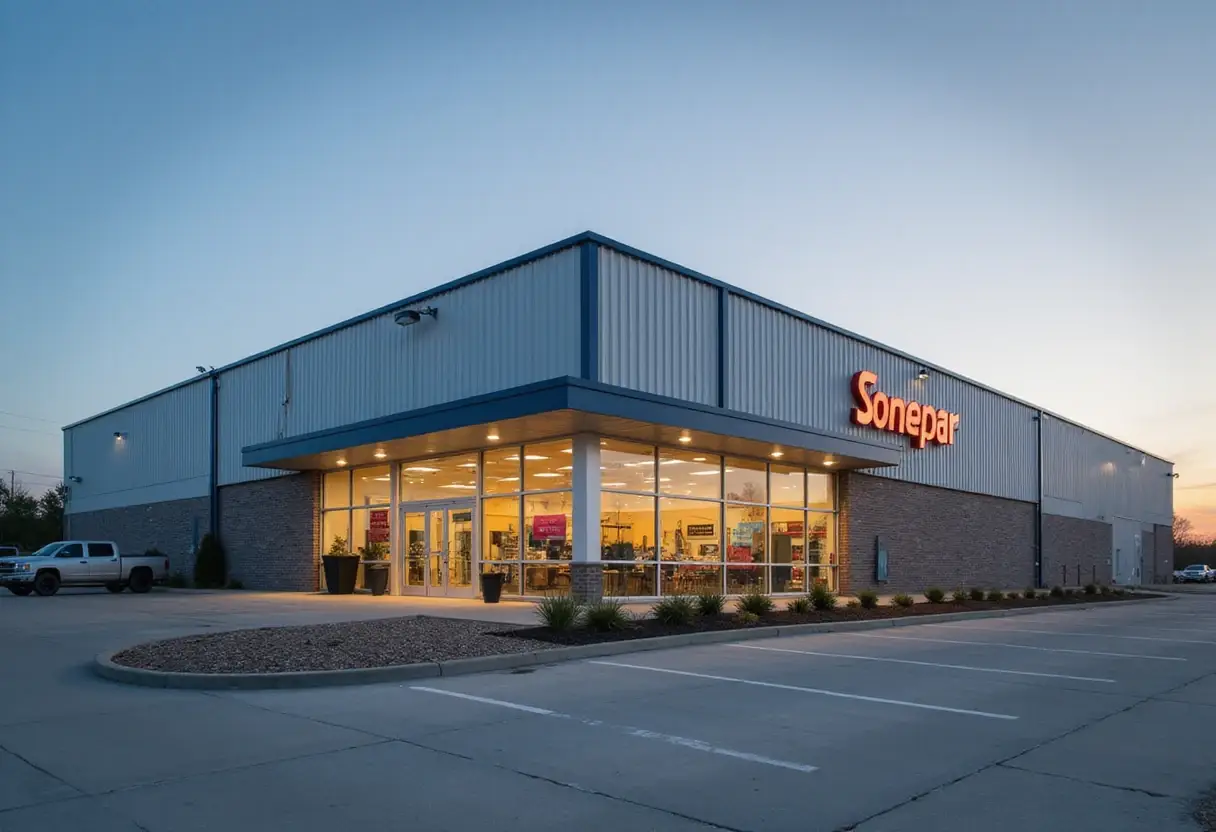
Sonepar is expanding in Indiana through one of its subsidiaries, Industrial Distribution reported, though the trade outlet's headline did not name the subsidiary, target, or deal terms.
- Scan date
- October 9, 2026
- Handle time
- 3 min
- Ticket
- TX-83DA
Packing list
Sonepar is expanding in Indiana through a subsidiary, per Industrial Distribution
Industrial Distribution's headline did not name the subsidiary, target, or financial terms
Sonepar, headquartered in Paris, ranks among the largest electrical distributors globally by revenue
Sonepar operates a federation of autonomous U.S. subsidiaries competing with Rexel, Graybar, and WESCO
Indiana hosts concentrated demand from automotive, industrial machinery, and electrical construction end markets
A Sonepar subsidiary is expanding in Indiana, Industrial Distribution reported in a headline on its news feed. The trade outlet did not name the subsidiary, specify the target, or disclose financial terms.
What does the headline tell distributors?
The reporting is limited to a single line. It confirms two operational facts: a Sonepar entity is the operator, and Indiana is the geography.
Industrial Distribution, the trade publication that surfaced the news, covers industrial M&A and channel moves across U.S. wholesale distribution. That positioning gives the headline standing for downstream distributors and suppliers watching the file.
The absence of disclosed terms is itself part of the story. Electrical distribution rollups typically follow a familiar template: a local or regional player, an EBITDA multiple in line with recent industry comps, and integration into a national platform.
Sonepar has historically used that template across North America. The company has lifted local operators onto a centralized procurement, logistics, and digital backbone while preserving customer relationships through the transition.
For channel partners, the move matters for two reasons. First, additional density in Indiana shifts competitive dynamics for rival wholesalers serving the same end markets. Second, supplier rebate schedules and preferred-vendor terms typically renegotiate as a local operator migrates onto a global platform's master agreements, which can reset margin splits over the next 24 to 36 months.
Where does this fit in Sonepar's U.S. buildout?
Sonepar, headquartered in Paris, ranks among the largest electrical distributors globally by revenue. It operates a federation of autonomous subsidiaries serving industrial, commercial, and residential customers. In the United States, the company has assembled one of the most geographically diversified footprints in the channel, competing in the same tier as Rexel, Graybar, and WESCO.
Indiana carries concentrated demand from automotive, industrial machinery, and electrical construction end markets. The state sits inside a manufacturing corridor that stretches from Ohio through Michigan, Illinois, and Kentucky. Wholesalers operating in Indiana tend to compete on inventory depth, project quoting speed, and contractor relationships, three variables that respond directly to a national platform's working-capital deployment and SKU rationalization.
For Sonepar, a marginal footprint addition in Indiana compounds several existing strategic priorities. The company has spent the last decade consolidating the U.S. electrical channel through tuck-in acquisitions, branch network optimization, and digital catalog investments. Each new branch or acquired operator tightens delivery radius for project business and lifts capture rate on long-tail SKUs that smaller competitors cannot stock economically.
What remains undisclosed?
The Industrial Distribution headline does not state whether the Indiana move is a tuck-in, a branch opening, a partnership, or a full acquisition. It also does not identify the subsidiary or its business line, nor does it confirm whether existing employees, branches, and customer contracts will transfer intact.
Until the trade outlet or the operating company publishes additional detail, gross margin, inventory turn, and channel-power implications remain inferential. Suppliers, competing distributors, and contractor customers will all want to know the answers before repricing their own commitments.
Distributors watching the file should treat the headline as a leading indicator rather than a complete record. Sonepar has historically announced North American moves through its corporate newsroom and trade press in the days after a signed agreement. Industry participants can expect the subsidiary name, target branch count, and strategic rationale to surface within weeks.
The Indiana move, once fully documented, will indicate whether Sonepar's U.S. federation model still produces margin uplift in a Midwestern state where private and public competitors already operate dense branch networks.
via Google News: Industrial distribution (Source)
More from Tom Whitfield
Show full bio
Staff writer covering companies, deals and strategy in Wholesale and distribution industry coverage for B2B professionals at Distribution Brief.
144 articles