Industrial & MRO SupplyTX-563B
Packer Fastener Expands With New Omaha Distribution Hub
Packer Fastener is adding a new hub in Omaha, per Industrial Distribution. The facility extends the fastener wholesaler's regional footprint, though deal terms, headcount, and capacity remain undisclosed.
- Scan date
- October 9, 2026
- Handle time
- 3 min
- Ticket
- TX-563B
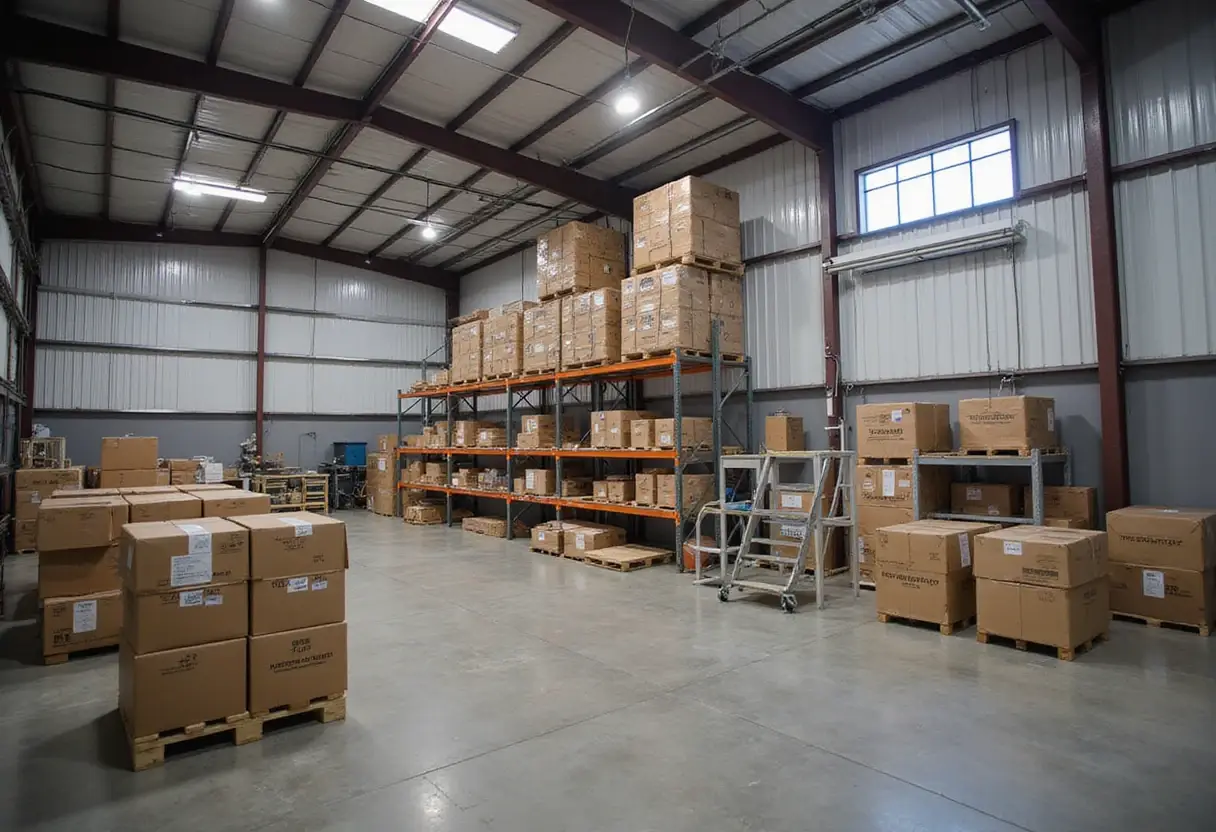
Packing list
Packer Fastener is opening a new distribution hub in Omaha, Nebraska, as reported by Industrial Distribution
Deal terms, square footage, headcount, opening date, and capital outlay for the hub were not disclosed
Omaha sits at the junction of Interstates 29, 80, and 680, with rail interchange serviced by Union Pacific and BNSF
Industrial fastener wholesalers typically run on low-double-digit gross margins and rely on route density for working-capital return
The Midwest hub places Packer into direct competition with regional fastener wholesalers already operating hub-and-spoke footprints around Omaha
Packer Fastener, a U.S. industrial fastener distributor, is opening a new hub in Omaha, Nebraska, according to a report published by Industrial Distribution.
The expansion adds a fourth major regional anchor to the distributor's geography, extending delivery reach across the upper Midwest and Great Plains. Packer Fastener has not disclosed the facility's square footage, headcount, opening date, or the capital outlay behind the build.
What an Omaha hub changes in the map
Omaha sits at the junction of Interstates 29, 80, and 680, with rail interchange serviced by Class I carriers Union Pacific and BNSF. For an industrial fastener wholesaler, that location compresses freight time to buyers in Iowa, South Dakota, Missouri, Kansas, and eastern Colorado.
The specific operating mechanics that make the geography attractive to a regional fastener wholesaler:
- Inbound steel and alloy rod shipments from Gulf Coast ports typically arrive in three to four days by rail.
- LTL outbound to industrial OEM and MRO customers within a 250-mile radius generally lands next-day under standard carrier cutoffs.
- Cross-dock configuration, if selected, lets the distributor consolidate regional orders through a single freight pool rather than splitting them through a remote distribution center.
What we don't know yet
Industrial Distribution did not publish revenue, transaction volume, or headcount figures in its brief notice, and Packer Fastener does not maintain a public investor profile. Four variables that would frame the strategic weight of the move remain undisclosed:
- Capacity measured in SKUs or stock-keeping units at startup and at mature state.
- Annual throughput in pounds, units, or order count.
- Capital expense tied to the buildout and equipment fit-out.
- Staffing footprint at launch and at 12-month steady state.
Without those numbers, the move reads as a footprint expansion rather than a measurable revenue event. Industrial fastener distribution runs on tight unit economics, which is why any branch expansion that lacks disclosed capacity registers more as positioning than as a documented growth signal.
Why fastener economics reward densification
Industrial fastener wholesalers earn on tight margins — typically low-double-digit gross and single-digit operating — so route density and inventory placement drive most of the working-capital return. Adding a hub near a confluence of interstates shifts dollars from freight expense into inventory position, capital that compounds with each turn.
For Packer Fastener specifically, the move likely targets two customer segments: OEM fastener programs along the I-80 corridor, including agricultural equipment and construction machinery manufacturers with Midwestern plants, and MRO accounts at the small-to-mid-industrial buyer level, where a regional branch can hold more SKU depth than a remote warehouse allows.
Both segments reward fill rate over price, which is why regional branch density, not catalog breadth, tends to be the lever independent fastener distributors pull when they want margin lift without raising list. A warehouse a half-day closer translates into the ability to hold more specialty grades, not just more commodity hex bolts.
The platform counterweight
National fastener platforms have spent the last decade pushing transactional volume through digital catalogs and EDI pricing. Regional distributors counter that pressure by holding deeper on-hand depth for engineered and specialty fasteners — the long-tail SKUs that platforms struggle to keep stocked.
A Midwest hub positions Packer to win the order where the customer needs 800 pieces of a specific grade and finish, delivered by Thursday, with a traceable mill test report. That order type is not where platforms compete on price; it is where regional fastener houses earn gross margin and lock in repeat contracts.
Regional fastener wholesalers with Midwestern density — operations with branded hub-and-spoke footprints north, south, east, and west of Omaha — already compete for that order book. Packer enters the pool from a position it has not yet quantified publicly.
What to watch next
Three disclosures would turn this from a footprint announcement into a measurable strategic event. Watch the facility's operating date and onboarding timeline, an inventory capacity statement with SKU counts, and the first full quarter's regional revenue contribution once the hub is live. Until those land, the Omaha addition remains a positioning bet, not yet a financial event.
via Google News: Industrial distribution (Source)
More from Tom Whitfield
Show full bio
Staff writer covering companies, deals and strategy in Wholesale and distribution industry coverage for B2B professionals at Distribution Brief.
144 articles