Wholesale ChannelsTX-DBCA
Ohio Opens Fast Lanes to Driverless Trucks; Distributors Hold Back
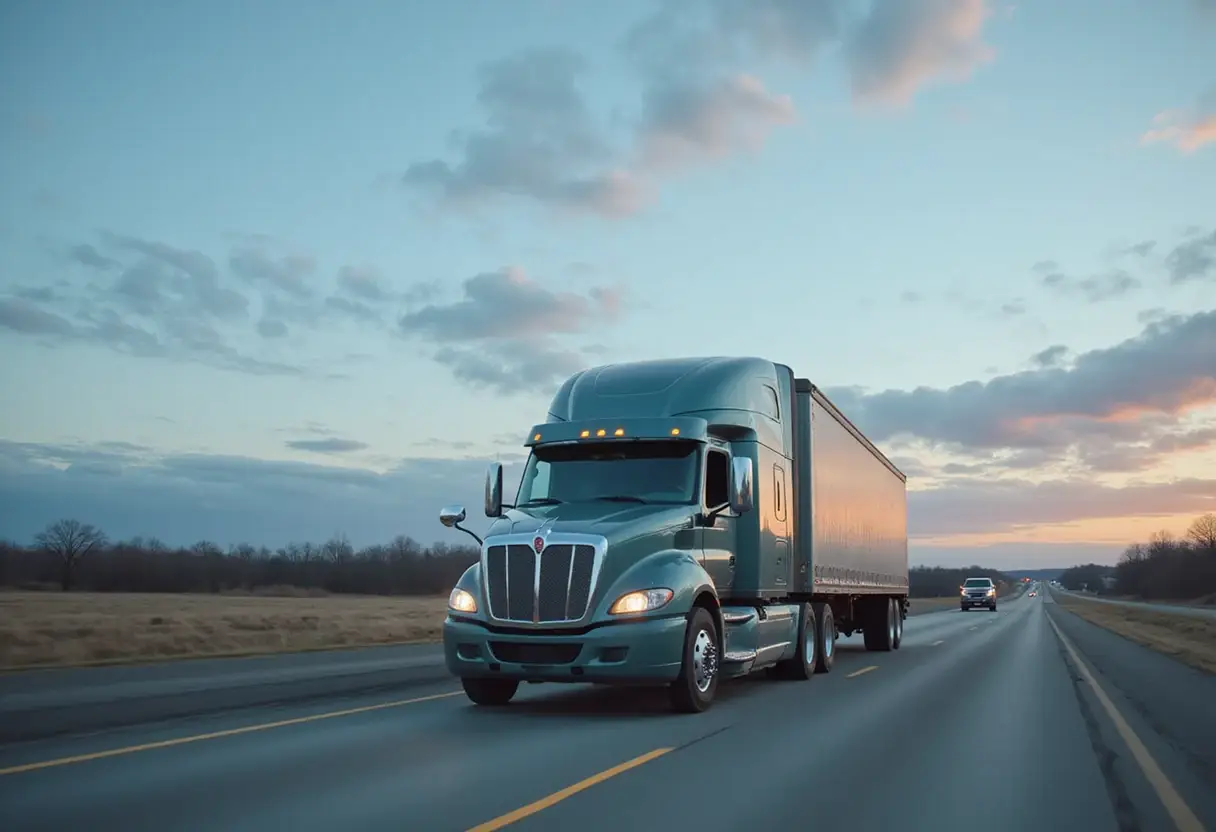
Ohio has designated dedicated fast lanes for driverless trucks, but Distribution Strategy Group reports distributor adoption has stalled. The binding constraint sits with the buyer, not the autonomous-stack vendor.
- Scan date
- October 10, 2026
- Handle time
- 3 min
- Ticket
- TX-DBCA
Packing list
Ohio has designated dedicated fast lanes for driverless trucks.
Distribution Strategy Group reports distributor adoption of autonomous trucks has stalled despite the regulatory opening.
The group frames the stall as a commercial-structure problem rather than a technology-readiness problem.
The public version of the DSG analysis does not disclose named operators, adoption percentages, or specific Ohio lanes.
DSG points to per-mile 3PL capacity, shared-fleet vehicles, and dock-side integration warranties as contracting forms that could close the gap.
Ohio regulators have designated dedicated fast lanes for driverless trucks. Yet the distributors Distribution Strategy Group tracks have not converted that regulatory opening into fleet orders, according to the group's latest distribution-channel read.
The headline gap — policy momentum versus distributor commitment — frames the more difficult commercial question: what does a state fast-lane designation actually change for a wholesaler sizing capital against an autonomous-truck pilot?
What does the Ohio lane designation change for distributors?
Distribution Strategy Group's answer, embedded in the headline itself, points to adoption structure rather than technology. The autonomous stacks have operated on Ohio-adjacent corridors. The lane designation removes routing friction.
What remains unresolved is the unit-economics case a regional distributor can underwrite with its existing lender relationships, working-capital cycle, and 3PL contract base.
For wholesalers and their supplier partners, fleet-conversion math starts with the per-mile figure. A driverless Class 8 tractor operating on a fast-lane route competes against an owned tractor. The owned tractor's fully loaded operating cost — equipment, fuel, insurance, and the driver component — sits above the marginal operating cost of an autonomous run on the same lane.
That gap is the figure autonomous vendors most often project. It is also the figure distributors most often discount. They discount it when they stack the projection against integration risk, residual-value uncertainty, dock-side automation gaps, and the working capital a hardware purchase locks up across the depreciation life of the unit.
Distribution Strategy Group treats that discount rate, not the headline per-mile delta, as the binding variable in the distributor's fleet decision.
Where does the binding constraint actually sit?
Distribution Strategy Group's headline does not disclose named operators, disclosed adoption percentages, or specific Ohio lanes in the public version of the analysis. It discloses the directional read: the stall sits with the buyer, not with the technology vendor.
That framing has commercial consequences for the wholesale channel. Distributors in the verticals the group covers typically run on thin gross margins and inventory turns measured in short cycles. That profile limits the working-capital flexibility they can apply to a hardware bet whose payback depends on utilization and route density their contracts may not yet support.
A state fast-lane designation lowers regulatory uncertainty; it does not, on its own, raise the contract density an autonomous-fleet business case requires.
Why the gap matters for suppliers
Suppliers reading the wholesale channel face the same math from a different vantage point. A distributor tying up working capital in autonomous tractors has less flexibility for slotting, pricing programs, and inventory commitments that suppliers count on for volume stability.
Until autonomous capacity moves off the distributor balance sheet and onto a 3PL or shared-fleet counterparty, supplier-distributor joint planning on autonomous routing will stay pilot-scale rather than line-item-scale.
What response structure will close it?
Per-mile autonomous capacity sold through 3PL partners is one contracting form the group's read points toward. Shared-fleet vehicles that spread capital across multiple regional distributors are another. Dock-side integration warranties that move warranty risk from the distributor to the vendor are a third.
Each lowers the working-capital hurdle a regional wholesaler faces when sizing autonomous capacity against an owned-tractor baseline. Each also shifts residual-value risk off the distributor's balance sheet onto a counterparty better positioned to absorb it.
The forward-looking question is whether those commercial structures close the adoption gap the group's headline has flagged within the Ohio corridor over the next 12 to 24 months. Or whether the disconnect widens as autonomous miles accumulate on routes distribution operations have not yet booked at scale.
via Google News: Wholesale distribution (Source)
More from Priya Raman
Show full bio
Correspondent covering technology and product news in Wholesale and distribution industry coverage for B2B professionals at Distribution Brief.
125 articles