Wholesale ChannelsTX-A155
Minneapolis Food Distributor Sued Over Multi-Pest Warehouse Infestation
A Minneapolis food wholesaler faces a lawsuit alleging rodent, bird, and worm infestations at its warehouse. The multi-pest finding signals sustained facility failure and threatens buyer relationships across the Upper Midwest.
- Scan date
- October 9, 2026
- Handle time
- 3 min
- Ticket
- TX-A155
Packing list
Lawsuit filed against an unnamed Minneapolis-based wholesale food distributor over warehouse pest contamination
Three pest categories named in the complaint: rodents, birds, and worms — a pattern indicating sustained, multi-point infestation
Distribution warehouses operate under 21 CFR Part 117 (FDA Preventive Controls for Human Food rule)
Typical distributor gross margin on center-store grocery runs 5–9 percent; a multi-week regulatory hold can erase several months of operating profit
Efficient fresh and frozen distributors run 20–30 inventory turns per year, which compress sharply when buyers reroute volume to alternative wholesalers
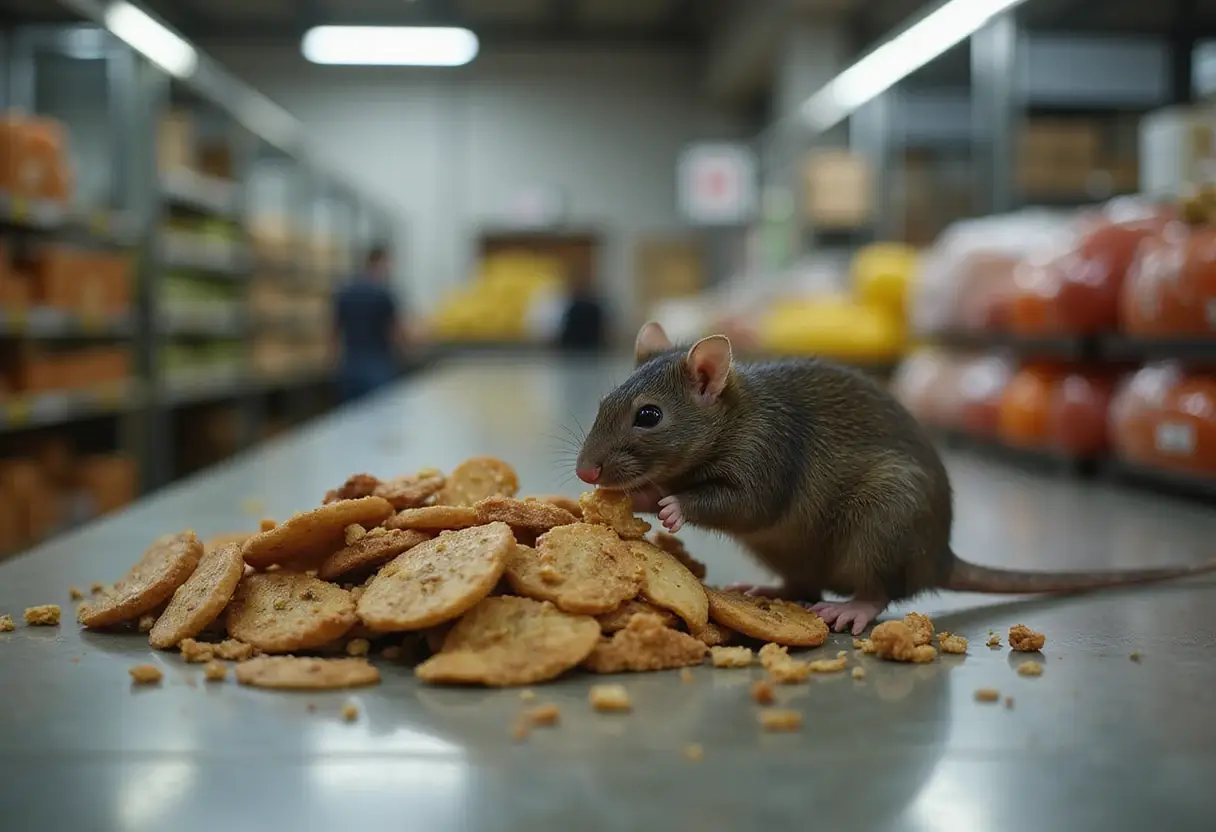
A Minneapolis-based wholesale food distributor faces a civil lawsuit alleging rodent, bird, and worm infestations inside its warehouse, an exposure that immediately threatens the operator's standing with grocery, restaurant, and institutional buyers across the Upper Midwest.
The action, first reported by KSTP, the Minneapolis–St. Paul ABC affiliate, names three distinct pest categories — rodents, birds, and worms — rather than a single species. The combination typically signals a sustained infestation with multiple entry points, not an isolated incident that a routine pest-control visit would have caught.
What details remain undisclosed?
KSTP's published summary does not identify the defendant distributor, the plaintiff, the damages sought, the statutory basis for the complaint, or the inspection dates that produced the evidence. Without those particulars, any read of the operator's market position, customer roster, or financial exposure rests on inference rather than disclosed fact. Distribution Brief will update this brief once docket filings surface the named parties.
Why does a multi-species finding matter under food-safety regulation?
Food distribution warehouses operate under the FDA's Preventive Controls for Human Food rule, codified at 21 CFR Part 117, which requires a written food safety plan, hazard analysis, supplier verification, and a documented pest-management program. Documented rodent activity typically triggers corrective-action obligations; documented bird and worm activity compounds the exposure by implying open roofing, dock-door seals, drainage failures, or compromised inbound pallets — each a separate preventive-control gap.
The regulatory cascade that follows can run from an FDA Form 483 observation letter through a Warning Letter, a state agriculture department stop-sale order, or a consent decree that mandates third-party auditing and inspector access. Where interstate commerce is implicated, an FDA import alert or suspension becomes possible, although the specifics here depend on the operator's licensing footprint, which the available reporting does not address.
How does a warehouse-level failure compress channel economics?
Independent grocers, c-store chains, and foodservice distributors in the Twin Cities and broader Upper Midwest route dry, refrigerated, and frozen volume through a small set of regional wholesalers. A quarantine or regulatory hold at a single facility forces buyers to reroute inventory at premium freight rates, often to wholesalers already operating near capacity.
Distributors typically earn 5 to 9 percent gross margin on center-store grocery categories, and a single multi-week regulatory hold can erase several months of operating profit through product write-downs, recall logistics, customer churn, and legal expense. Fresh and frozen categories — already running 20 to 30 inventory turns per year for efficient operators — slow sharply when buyers redirect volume, depressing working-capital velocity across the affected lanes.
Suppliers, meanwhile, lose a routing option and the negotiating leverage that comes with a second wholesaler of last resort. That dynamic tends to push purchase-price discussions toward whichever surviving distributor still holds allocation.
What should suppliers and buyers monitor next?
Procurement teams routing product through any Minneapolis-area wholesaler should request current HACCP plans, third-party audit certificates (GFSI-benchmarked schemes such as SQF, BRC, or FSSC 22000), and the most recent pest-control service logs. Master supply agreements should be reviewed for force-majeure and product-substitution language that permits rerouting without penalty when a warehouse becomes non-operational.
On the regulatory side, an FDA inspection classification, a state stop-sale order, or a recall notice tied to the implicated facility will mark the next disclosure event. Until then, the lawsuit itself — and the breadth of pest categories named within it — sets the floor on operational scrutiny that regional buyers are likely to apply to every wholesaler handling comparable volume.
via Google News: Foodservice distribution (Source)
More from Olivia Hart
Show full bio
Market editor covering companies, deals and strategy in Wholesale and distribution industry coverage for B2B professionals at Distribution Brief.
137 articles