Foodservice DistributionTX-015A
Miami-Dade Food Distributor Faces $15M Warehouse Foreclosure
A Miami-Dade food distributor was named in a $15M foreclosure on its warehouse, exposing fixed-asset strain in a thin-margin, high-turn channel.
- Scan date
- September 28, 2026
- Handle time
- 2 min
- Ticket
- TX-015A
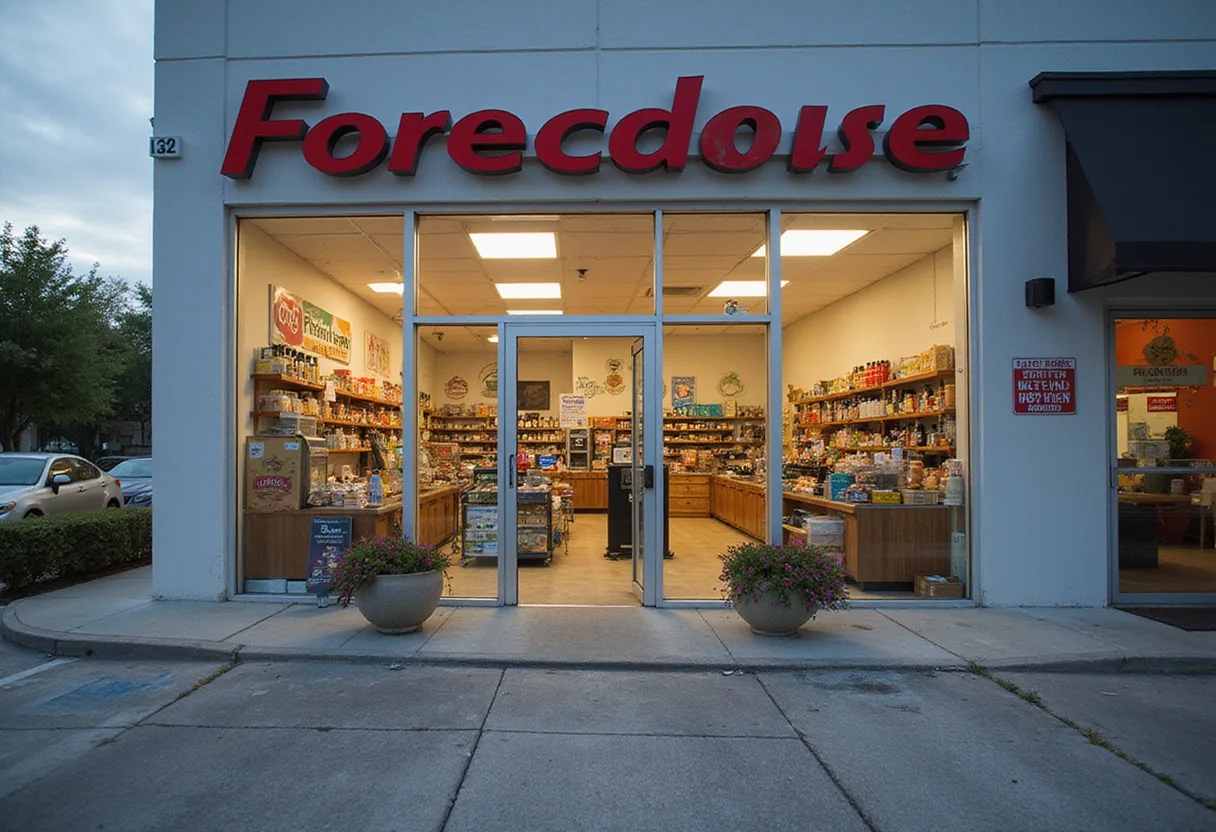
Packing list
A Miami-Dade County food distributor was named in a $15 million foreclosure action on its warehouse.
The facility is the core operating asset for storage and distribution capacity in a competitive South Florida foodservice market.
The lender's identity, loan terms and the distributor's response strategy have not been disclosed.
A food distributor operating in Miami-Dade County has been named in a $15 million foreclosure action targeting its warehouse, according to The Business Journals.
The foreclosure centers on the distribution facility itself — the fixed asset that anchors a food distribution operation's capacity to receive, store and turn inventory. For a regional food distributor, warehouse real estate is not a passive holding. It is the constraint that determines SKU count, cold-storage capability, delivery radius and, ultimately, gross margin. A $15 million loan default on that asset signals that the property's carrying costs have outrun the cash flow generated by the distribution business it serves.
The action places the distributor among a growing set of mid-sized foodservice and broadline players caught between elevated borrowing costs and softening case volumes. Food distributors run thin gross margins — typically low-to-mid single digits at the wholesale tier — and depend on high inventory turns and tight facility utilization to cover fixed obligations. When volumes flatten, debt service on owned warehouse space becomes one of the first pressure points to break.
The Miami-Dade market adds a specific dimension. South Florida's foodservice distribution corridor is densely competitive, with national broadliners, regional independents and specialty proteins distributors all competing for restaurant, hospitality and institutional accounts. A distributor losing its warehouse in this geography faces more than a real estate dispute; it risks disruption to receiving schedules, supplier terms and customer delivery commitments — the operating rhythm that channel power in foodservice depends on.
For competitors, a foreclosure of this size can present opportunity. Warehouse capacity in Miami-Dade trades at a premium given the region's role as a Latin America logistics gateway, and a distressed facility may attract bids from adjacent distributors seeking to absorb territory, customer lists or storage capacity at below-replacement cost.
What remains undisclosed in the reporting so far is the lender's identity, the loan's origination date and terms, and whether the distributor intends to contest the action, restructure the debt, or surrender the property. Those details will determine whether this becomes an orderly refinancing, a court-supervised sale, or a liquidation event that redistributes the distributor's volume to rival houses in the market.
The case bears watching as a indicator of where food distribution balance sheets stand after two years of elevated rates: the next twelve months will show whether lenders move more aggressively on distribution real estate or work out extensions with operators whose underlying volumes remain viable.
via Google News: Foodservice distribution (Source)
More from James Calloway
Show full bio
Senior reporter covering regulation, policy and their impact on Wholesale and distribution industry coverage for B2B professionals at Distribution Brief.
138 articles