Grocery & Food SupplyTX-E259
Italian Tomato Distributor Sued Over Alleged False Branding
A popular Italian food distributor faces a lawsuit over alleged false tomato branding — a claim that threatens provenance-driven margins across specialty food distribution.
- Scan date
- October 9, 2026
- Handle time
- 3 min
- Ticket
- TX-E259
Packing list
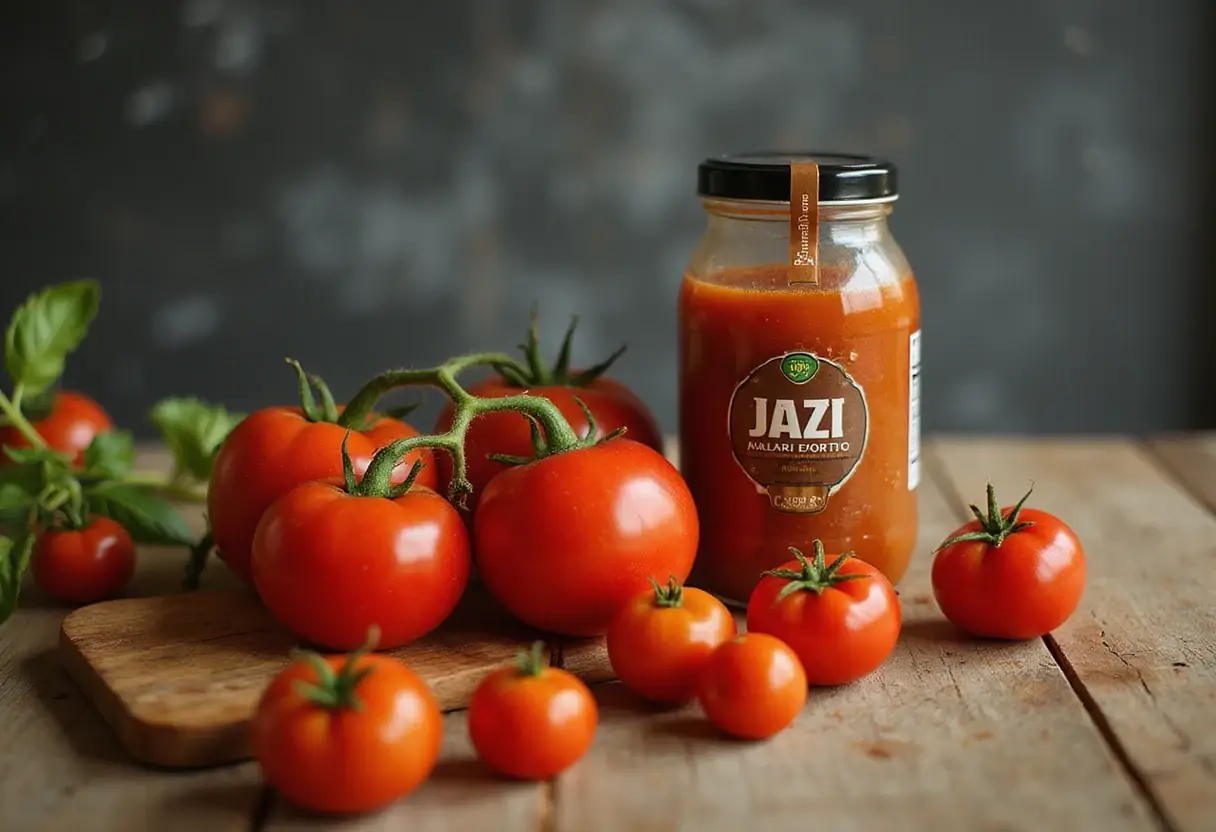
A popular Italian food distributor is facing a lawsuit over alleged false branding of tomato products.
The Independent reported the case, framing it as potential 'tomato fraud'.
The claims are allegations; no verdict, damages figure or sales volume has been disclosed.
Provenance labeling underpins premium gross margins in Italian specialty food distribution.
A popular Italian food distributor is facing a lawsuit accusing it of "false" branding around tomato products — a claim that, if proven, would strike at the premium pricing power holding up one of the most profitable shelf categories in specialty food distribution.
The Independent reports the suit centers on alleged misrepresentation in how the distributor brands its tomato products. The report frames the case as potential "tomato fraud": products marketed with claims that plaintiffs dispute as inaccurate or misleading.
Why does a branding lawsuit matter to distributors?
In specialty and ethnic food channels, provenance is the margin. Distributors and importers of Italian packaged goods earn gross margins that mass-market grocery suppliers cannot, precisely because "Product of Italy" labeling, regional designations and heritage branding command a retail price premium. A legal challenge to those claims attacks the economics directly.
If a court finds the branding false, the exposure runs along the whole channel:
- The distributor faces potential damages and removal costs;
- Retailers carrying the SKUs face consumer claims and markdowns;
- Wholesale buyers may renegotiate or return inventory, hitting the distributor's working capital and inventory turns;
- Category pricing for legitimately sourced Italian tomatoes could come under pressure if shopper trust erodes.
That last point is the systemic risk. Italian agricultural and food-export associations have fought for years to protect the credibility of geographic and origin claims, because counterfeit or misrepresented Italian products undermine the price umbrella every honest supplier sells under.
What is measured versus asserted?
At this stage, the lawsuit's claims are allegations, not findings. The Independent's report names the accusation of false branding but the case has not produced a verdict, settlement or regulatory ruling that Distribution Brief is aware of from this report. No damages figure, no sales volume for the products in question, and no inventory exposure have been disclosed.
That distinction matters for distribution executives tracking the story. What is asserted: that the distributor's tomato branding is false. What is not yet measured: the scale of affected SKUs, the revenue at risk, or any admission of wrongdoing by the distributor.
For channel participants, the practical checklist is familiar from prior food-fraud cases: verify supplier documentation on origin claims, audit certificate chains for protected designations, and quantify how much of the assortment's gross margin depends on provenance labeling that has not been independently validated.
The broader pattern
Food fraud litigation has accelerated as regulators and class-action attorneys chase labeling claims across premium categories — olive oil, parmesan, honey and tomatoes among them. Each case tends to follow the same arc: a labeling or sourcing claim, a consumer or competitor suit, then discovery that reveals the actual volume of mislabeled goods moving through wholesale.
Distributors sit at the choke point in that arc. They aggregate supplier claims and present them to retail buyers. When the claims fail, the distributor — not the faraway producer — often carries the legal, financial and reputational weight in the market where the products were sold.
For a distributor branded "popular" in its home market, as this defendant is described, the reputational mathematics are unfavorable even before any ruling: premium Italian food is a trust business, and trust claims are cheap to allege and expensive to rebut.
What comes next
The case will now move through litigation, where filings should establish the specific products, labeling claims and volumes at issue — the numbers the channel needs to price the risk. Until then, buyers of branded Italian tomato products should treat provenance claims on their supplier agreements as data to verify, not marketing to accept at face value.
via Google News: Foodservice distribution (Source)
More from Tom Whitfield
Show full bio
Staff writer covering companies, deals and strategy in Wholesale and distribution industry coverage for B2B professionals at Distribution Brief.
144 articles