Supply Chain & LogisticsTX-5990
Ikea and Kodiak to Launch Driverless Texas Freight Lane by Year-End
After four years of testing and 750,000 autonomous miles, Ikea will pull the safety driver from Kodiak trucks on a 220-mile Texas highway leg by year-end.
- Scan date
- October 9, 2026
- Handle time
- 4 min
- Ticket
- TX-5990
Packing list
220-mile driverless highway lane will connect the Houston and Dallas metros as part of a nearly 300-mile route from Baytown to Frisco.
Four-year Kodiak–Ikea pilot logged 1,300-plus loads and more than 750,000 autonomous miles; Kodiak reports zero incidents and a 'nearly perfect' on-time record.
Driverless launch is scheduled for later in 2026, following August surface-street testing between Kodiak's Lancaster, Texas, hub and Houston.
Atlas Energy Solutions has run 35 Kodiak-equipped trucks for more than 40,000 paid driverless hours in the Permian Basin since December 2024.
A 2026 NDSU study estimates 13% savings on 200-mile hub-to-hub autonomous routes and 31% at 1,000 miles once fleets reach scale; Ikea China Hefei cut pickup waits from six hours to two and transport costs by more than 50%.
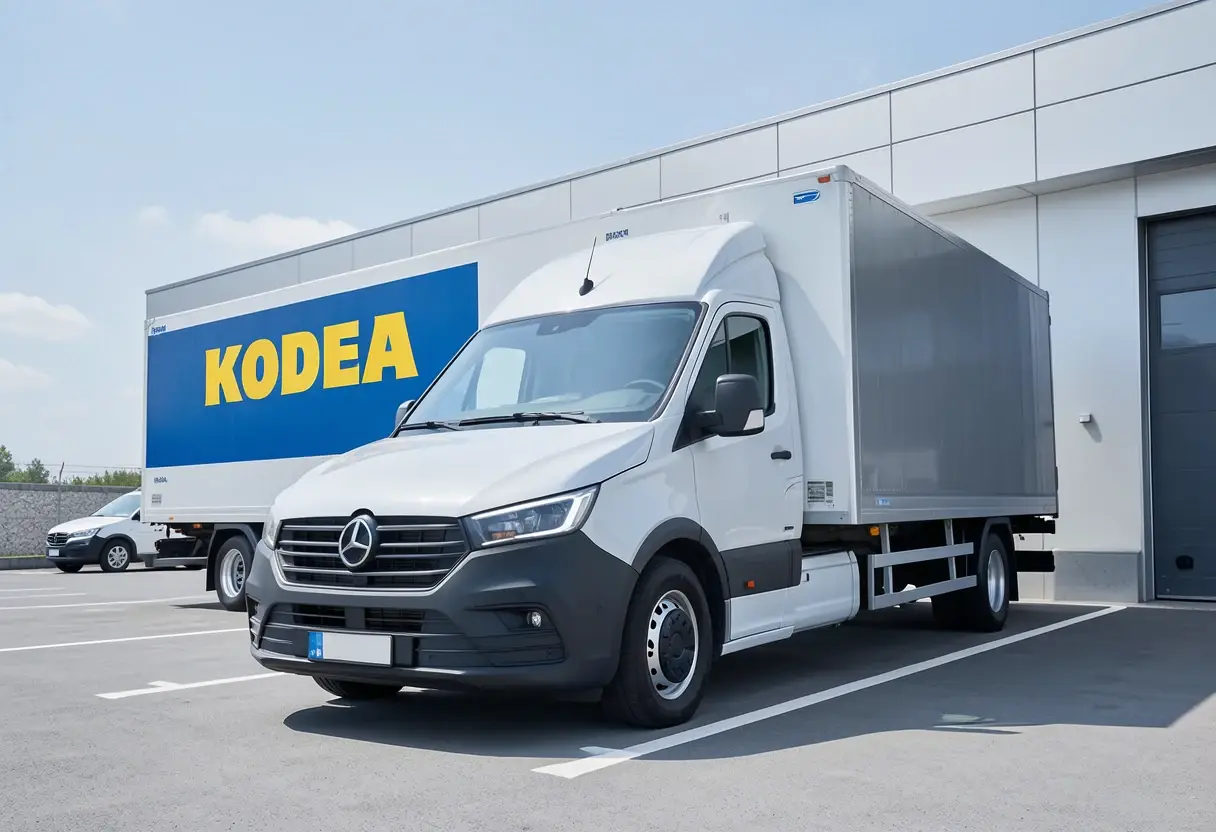
Ikea will run driverless Kodiak-equipped trucks on a 220-mile Texas highway corridor by year-end, removing the safety driver after a four-year pilot that logged more than 750,000 autonomous miles and 1,300 loads without incident, the companies said in late September.
The lane connects the Houston and Dallas metro areas and forms the highway portion of a nearly 300-mile route carrying goods from Ikea's Baytown, Texas, distribution center to its store in Frisco. The Sweden-based home furnishings retailer becomes the launch shipper for Kodiak's commercial driverless long-haul service.
What's the four-year track record?
Kodiak's trucks have run the Texas route day and night, seven days a week, and through varying weather, the company said in a Sept. 29 update. The pilot was originally scoped as a three-month trial. Kodiak describes the service as operating "without incident" with a "nearly perfect" on-time delivery record — a characterization that remains the vendor's own, with no third-party audit disclosed in the company's filings.
Kodiak founder and CEO Don Burnette framed the move on LinkedIn on Sept. 29: "IKEA has been a wonderful partner and customer for four years, and this represents the next chapter." In a Sept. 25 release, he added: "Our progress since beginning our final push towards driverless commercial deliveries has been incredible, and it is a strong signal we are ready to scale unsupervised driverless service on long-haul lanes."
Before pulling the safety driver, Kodiak ran trucks between its Lancaster, Texas, hub and Houston without the human operator taking control, including on surface streets, starting in August. The company is also running closed-course tests to recreate rare or risky scenarios.
What does the lane's cost equation look like?
The economics of autonomous trucking hinge on distance and scale, a 2026 study by North Dakota State University researchers found. The model estimated roughly 13% savings on a 200-mile hub-to-hub route, climbing to 31% at 1,000 miles once fleets reach scale. Below that scale, shorter autonomous routes can cost more than conventional trucking. Ikea's 220-mile leg sits close to the shorter, less-favorable end of that curve.
The Hefei case offers a different data point. Ingka Group — Ikea's largest franchisee and operator of 61 U.S. retail locations — said in March that Ikea China permanently adopted self-driving electric vehicles at its Hefei operation. During the trial, trucks traveled roughly 75,600 kilometers, or about 47,000 miles. Average customer pickup wait times fell from six hours to two, and transportation costs between Ikea locations dropped by more than 50%. Ingka is evaluating whether the Hefei model can replicate in other markets.
How does this fit the broader autonomous freight push?
Ikea joins several large shippers already testing or running autonomous middle-mile routes. Walmart removed the safety driver from a roughly 7-mile Bentonville, Arkansas, lane with Gatik in 2021. In June, PepsiCo signed a multiyear agreement with Gatik to expand driverless freight across its North American supply chain; trucks already operate in Texas, Arizona, and Arkansas, serving about 250 retail locations including Walmart and Dollar General stores, FreightWaves reported.
Kodiak itself has logged paid driverless hours elsewhere. Since December 2024, Atlas Energy Solutions has run customer-owned Kodiak-equipped trucks in the Permian Basin of West Texas and eastern New Mexico. As of June, 35 Atlas trucks had logged more than 40,000 hours of paid driverless operations, according to Kodiak's SEC filing. The Ikea lane marks the company's first long-haul interstate deployment without a safety driver.
What's still unproven?
Three things will determine whether the Texas lane reshapes Ikea's distribution economics. The on-time and incident-free record will need to hold under regulator and insurer scrutiny, not just vendor reporting. The 220-mile length sits below the distance threshold where the NDSU model shows the steepest savings. And the Hefei data suggests the bigger prize may be retail-velocity gains — cutting pickup waits from six hours to two — that a pure highway lane cannot deliver on its own.
Kodiak and Ikea say the driverless launch will begin later this year.
via subscription.digitalcommerce360.com (Original)
More from Amara Osei
Show full bio
News editor covering technology and product news in Wholesale and distribution industry coverage for B2B professionals at Distribution Brief.
143 articles