Industrial & MRO SupplyTX-2DEF
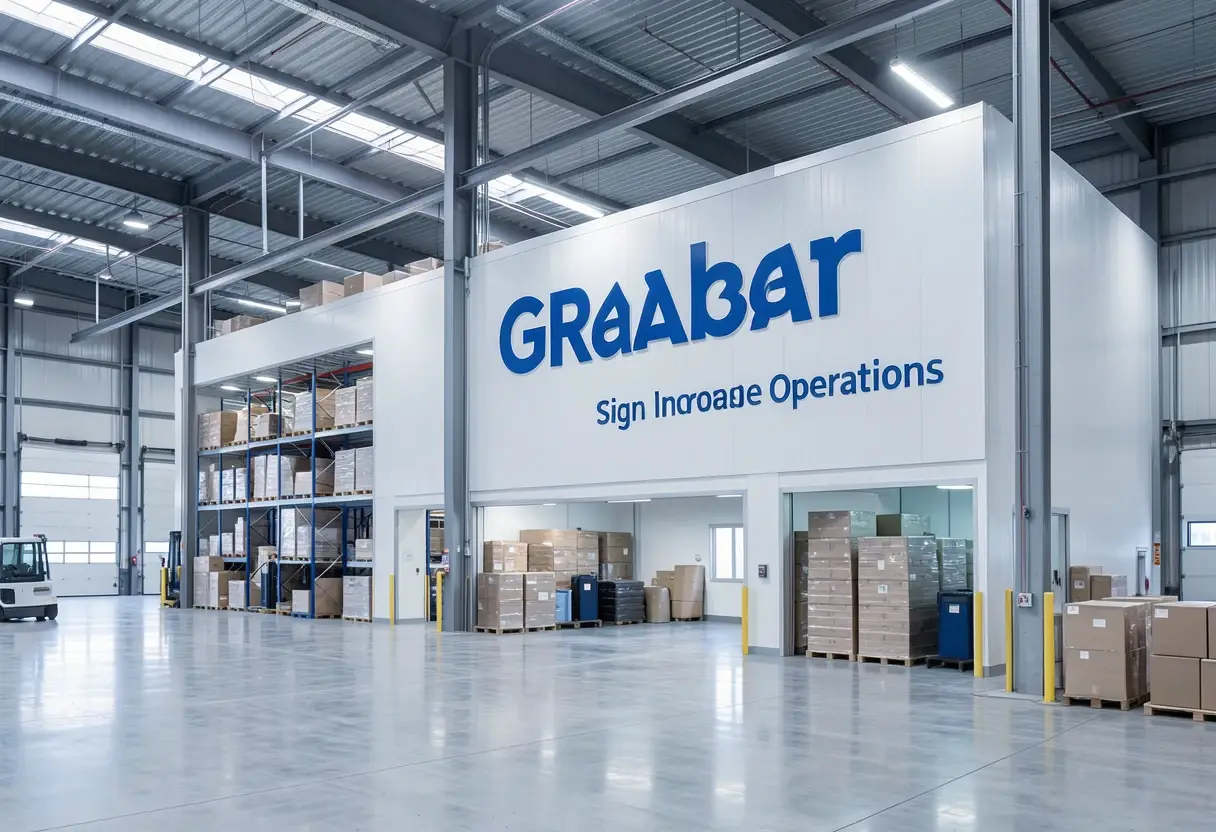
Graybar Plans 'Significant' Expansion of U.S. Warehouse Operations
Graybar says it will "significantly" expand U.S. warehouse operations, without yet disclosing square footage, sites or spending. Here's what it changes for the channel.
- Scan date
- October 12, 2026
- Handle time
- 3 min
- Ticket
- TX-2DEF
Packing list
Graybar announced plans to 'significantly' increase its U.S. warehouse operations
The company disclosed no dollar figure, square footage or timeline with the announcement
Graybar is employee-owned and operates its own distribution infrastructure across North America
The move targets electrical, communications and networking distribution markets
Graybar says it will "significantly" increase its warehouse operations across the United States. That single word, from the employee-owned distributor itself, is the hardest fact available right now. The company disclosed no dollar figure, no square footage and no timeline alongside the announcement, so practitioners should treat the scale as asserted rather than measured until Graybar publishes specifics.
What do we actually know?
Graybar is one of the largest distributors in its verticals — electrical, communications and networking products — with a network that already spans North America. The company also owns and operates its distribution infrastructure rather than outsourcing fulfillment. For a distributor of that profile, warehouse capacity is not overhead. It's the chassis that carries inventory turns, delivery speed and service coverage, which is exactly where distributors win or lose share against national rivals and local independents alike.
The announcement signals capital flowing into physical capacity. That matters in a channel where gross margins stay thin and logistics execution, not price alone, decides which distributor keeps a contractor's or an integrator's business.
Why does warehouse capacity matter for a distributor this size?
When a broadline distributor adds warehouse capacity, three economics move at once. Inventory availability improves, which protects same-day and next-day service that contractors demand on job sites. Stocking depth rises, which lets the distributor support larger project awards without special-order friction. And freight costs per order can fall as fulfillment points sit closer to customers.
Each of those levers touches customer economics directly. A contractor who gets material next morning loses fewer crew hours. An integrator who finds stocked cable and connectivity locally avoids project delay penalties. Graybar's move reads as an investment in exactly those service-level battlegrounds, where the company competes with the other electrical-distribution heavyweights and with regional players that win on proximity.
What should distributors and suppliers watch next?
The word "significantly" invites a simple test: numbers. Watch for disclosed square footage, site counts, locations named, and a completion horizon. Until then, the claim sits in the same category as many marketplace and platform volume announcements — directionally interesting, financially unquantified.
For suppliers, expanded Graybar capacity could mean deeper stocking commitments and wider geographic coverage for their SKUs. For competing distributors, it raises the service-level bar in whatever metros Graybar adds. For Graybar's own branches, it suggests the company sees demand growth it cannot serve from the current footprint — a read on the electrical and communications markets as much as on the company itself.
How does this fit Graybar's position?
Graybar operates as an employee-owned company, which shapes how it deploys capital. Without quarterly shareholder pressure, the distributor can fund infrastructure on a longer horizon than publicly traded peers. A warehouse buildout fits that pattern: patient money into the physical network that supports revenue for years, not quarters.
The expansion also lands amid sustained demand pressure in electrical distribution, from data-center construction, grid modernization and network upgrades. Those end markets reward distributors that can hold inventory close to project demand and move it fast, and they punish stockouts when schedules are tight, so capacity investments in this vertical tend to follow the project pipeline rather than precede it.
Expect Graybar to fill in the specifics — sites, sizes, spending — in coming announcements. When those numbers land, distributors across the electrical and communications channel will be able to price the move's real weight against their own networks.
via Google News: Industrial distribution (Source)
More from Amara Osei
Show full bio
News editor covering technology and product news in Wholesale and distribution industry coverage for B2B professionals at Distribution Brief.
143 articles