Foodservice DistributionTX-A818
California Pizza Kitchen Targets Hundreds of Military Bases With Automated Kiosks
CPK will install hundreds of automated pizza kiosks on U.S. military bases with contractor Ranger Group, extending a plan for up to 1,000 machines nationwide in three years.
- Scan date
- November 12, 2026
- Handle time
- 3 min
- Ticket
- TX-A818
Packing list
CPK plans hundreds of automated pizza kiosks on Army, Navy, Air Force, Marine Corps and Coast Guard bases
Kiosks use TurboChef ovens and bake a pizza in as little as 90 seconds
CPK targets up to 1,000 kiosks nationwide within three years
CPK operates around 100 domestic restaurants and was sold to Consortium Brand Partners-led group late last year
Technomic Top 500 shows chain restaurant sales slowed again in 2025
California Pizza Kitchen plans to install hundreds of automated pizza machines on U.S. military bases, a distribution push that extends the brand into captive retail channels far beyond its roughly 100 domestic restaurants.
The Costa Mesa, California-based chain will partner with Ranger Group, a military contractor led by Army Ranger veteran Mark "Ranger" Jones, who also brings restaurant franchising experience. Ranger Group will install and operate the machines at Army, Navy, Air Force, Marine Corps and U.S. Coast Guard bases.
The rollout begins with domestic installations. The partners have left open the option to expand to other military locations, including bases overseas, in the future.
How does the kiosk economics work?
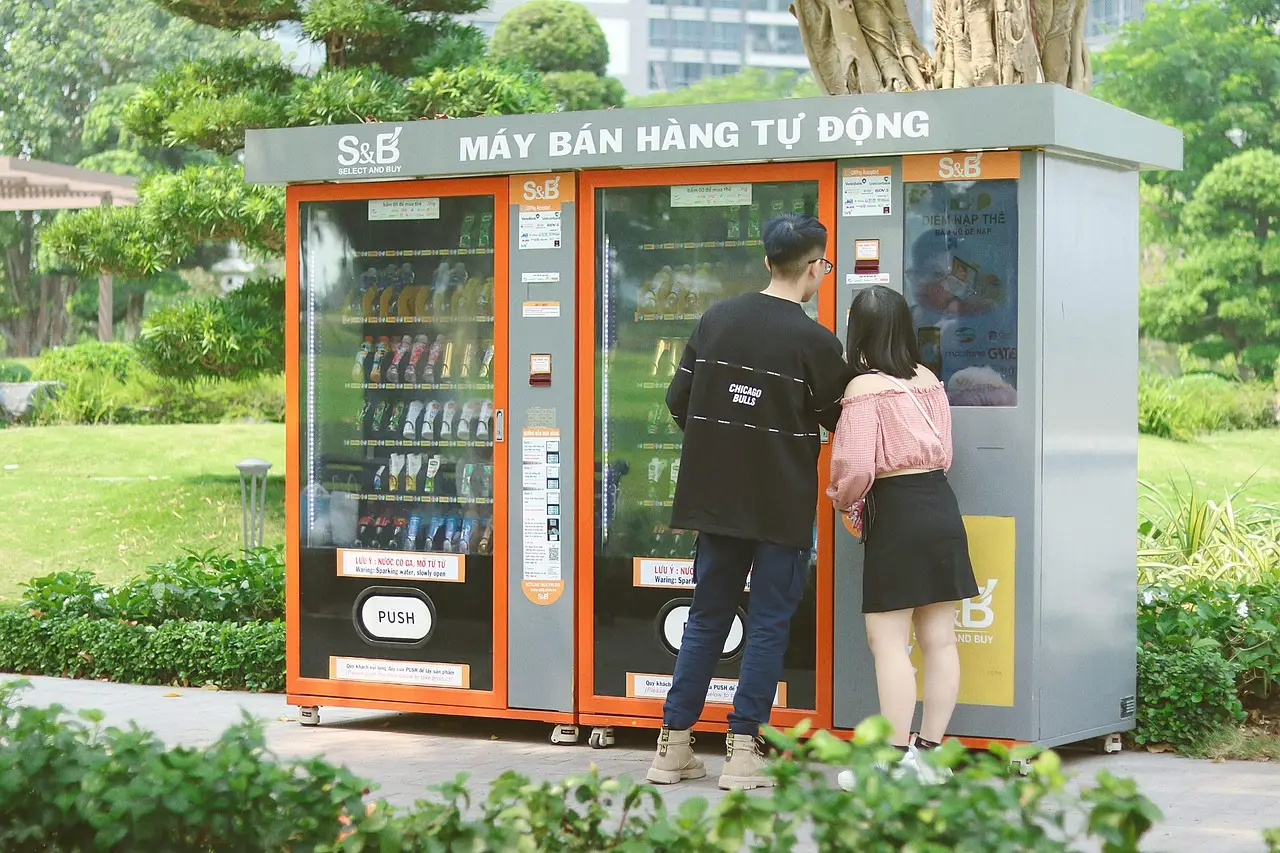
Each automated kiosk carries a TurboChef oven (a rapid-cook appliance brand) and produces a freshly baked pizza in as little as 90 seconds, the company said. Customers place orders on a touchscreen display, which points toward unattended retail — a format that removes labor, the largest cost line in casual dining, from the unit economics.
For CPK, the base channel adds a third route to market. The company already operates brick-and-mortar restaurants and sells frozen pizza and other products through grocery stores. The kiosk program targets places where full-service restaurants cannot reach customers efficiently.
What does this change for the brand's growth plan?
The military deal builds on CPK's previously announced plan to open as many as 1,000 kiosks nationwide over the next three years in airports, universities and hospitals. Those venues, like military bases, combine high foot traffic with limited food-service competition — the core logic of unattended retail placement.
Founded in 1985, CPK was sold late last year to an investor group led by Consortium Brand Partners, which said it planned to kick off a new era of growth for the brand. The kiosk expansion is the most concrete expression of that strategy disclosed so far.
Michael Beacham, president of California Pizza Kitchen Global, framed the military initiative in both brand and access terms. "As a veteran myself, I'm personally proud to bring our restaurant-quality pizzas directly to the places where our service members work and train," Beacham said in a statement. "This initiative is both an expression of our gratitude and a meaningful step forward in our mission to make the California Pizza Kitchen experience more accessible wherever people are."
The announcement comes against a difficult backdrop for chain restaurants. Technomic's Top 500 ranking shows chain restaurant sales slowed again in 2025 as consumers cut back on dining, though coffee, beverages and snacks, and chicken segments continued to grow.
What is measured and what is asserted?
The disclosed figures are concrete: up to 1,000 kiosks over three years, roughly 100 domestic restaurants, a 90-second cook time and hundreds of potential base installations. What remains unmeasured is throughput — CPK and Ranger Group have not disclosed transaction volumes, per-kiosk sales targets or installation timelines for the base program.
The overseas option also remains an assertion rather than a commitment. Investors and channel watchers will need installation counts and machine-level revenue before treating the kiosk network as a growth engine comparable to the restaurant base.
The move signals how casual-dining brands are repositioning themselves as multi-channel food manufacturers rather than single-format operators. If the base installations proceed on schedule, CPK's machine footprint could reach multiples of its restaurant count — a shift in how, and where, the brand's product reaches the consumer.
via taps.org (Original)
More from Tom Whitfield
Show full bio
Staff writer covering companies, deals and strategy in Wholesale and distribution industry coverage for B2B professionals at Distribution Brief.
159 articles