Supply Chain & LogisticsTX-59ED
California Diesel Holds Above $8 a Gallon, Squeezing Freight Margins
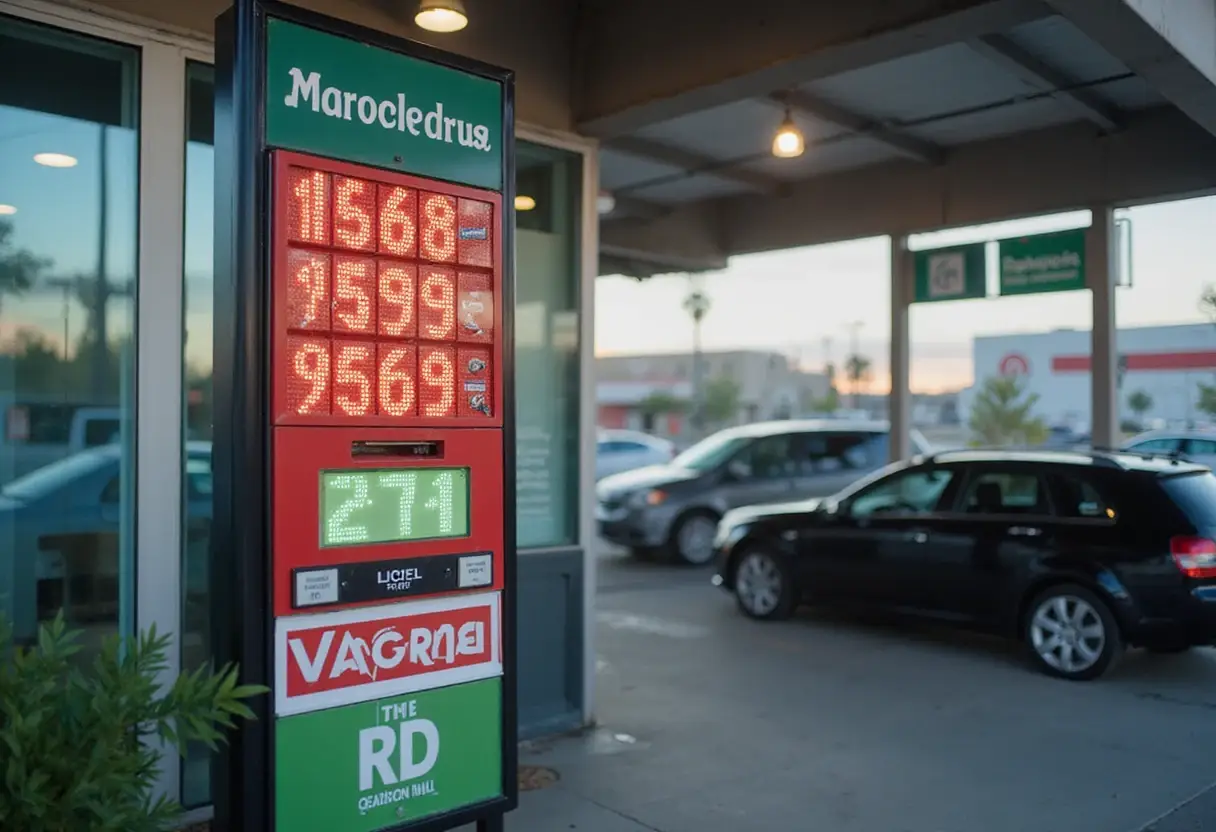
California diesel holds above $8 a gallon, with one energy expert warning elevated costs may persist well into next year as truckers press for relief.
- Scan date
- October 15, 2026
- Handle time
- 3 min
- Ticket
- TX-59ED
Packing list
California diesel prices remain above $8 per gallon.
An energy expert told Trucking Dive elevated costs could extend well into next year.
Truckers are publicly calling for relief measures.
No specific policy mechanism or tax change is named in the source.
California diesel prices remain above $8 per gallon, a level that keeps fuel at the top of the cost stack for carriers operating in and through the state. An energy expert told Trucking Dive that elevated costs could extend well into next year. That is the operative forecast. It arrives without a precise floor, a target month, or a scenario range, which limits what fleet managers can plan against.
For distributors, the number lands directly on delivered cost. Fuel surcharges (per-mile or percentage add-ons that recover diesel expense from shippers) typically lag pump movements by a billing cycle or more. A sustained plateau above $8 widens that lag. Carriers absorb the spread first. Then contract renewals reprice it.
What does the price level change?
California already carries the highest diesel prices in the continental United States, a function of state fuel taxes, environmental fuel formulations, and limited refinery capacity serving the West Coast market. A sustained position above $8 does not create a new cost structure. It entrenches the existing one.
The groups calling for relief are truckers, according to the report. The demand is political in form. No specific policy mechanism, tax suspension, or regulatory change appears in the source. Readers should treat the call for relief as pressure, not as a proposal with a docket number and a fiscal estimate.
What is measured and what is asserted?
Measured: the price level, above $8 per gallon. Measured: the existence of relief demands from trucking interests.
Asserted: the duration. The claim that elevated costs could extend well into next year comes from a single energy expert, quoted by Trucking Dive, and the word to hold onto is "could." No model output, inventory data, or refinery outage schedule accompanies it. The forecast is a judgment. Judgments about energy markets in California have missed in both directions.
What is not said also matters. The source gives no:
- Volume of freight affected or share of California trucking activity exposed to the price;
- Baseline comparison date, so the year-over-year increase cannot be computed from the report alone;
- Margin or fuel-surcharge data from any named carrier;
- Named distributors, wholesalers, or suppliers responding with pricing actions.
A concrete comparison frames the stakes. When diesel moves from $5 to $8, a Class 8 tractor consuming roughly 1,300 gallons a month at six miles per gallon faces a monthly fuel bill rising by nearly $4,000 per truck. Fleets do not absorb that from overhead. They absorb it from operating margin, which in trucking runs thin by design.
How should distribution executives read this?
The exposure runs through three channels. First, inbound freight: California-served distribution centers pay California-influenced linehaul rates regardless of where the carrier files its fuel. Second, outbound pricing: surcharge formulas passed to wholesale customers either recover the cost or they do not, and the difference shows up in gross margin line items. Third, mode economics: sustained high diesel improves the relative cost position of rail intermodal and of inventory consolidation, which raises order sizes and lowers shipment frequency.
None of those adjustments is free. Consolidation raises inventory carrying cost. Mode shifts add transit days and service risk. Each response trades one cost line against another, which is why a durable price plateau, rather than a spike, is the harder planning problem. Spikes pass. Plateaus get built into contracts.
What happens next?
The analyst's timeframe, well into next year, implies at least two to three quarters of elevated pricing before any normalization. Truckers' relief demands will test whether Sacramento has appetite for tax or regulatory intervention in an election-sensitive cost category. For distributors serving the California market, the defensible moves now are contractual: tightening surcharge lag, indexing fuel in customer pricing, and re-bidding lanes with the $8 level, not a historical average, as the planning floor.
The expert's forecast could prove conservative. It could also prove wrong. Either way, the price on the board today is above $8, and no relief mechanism yet exists on paper.
via imgproxy.divecdn.com (Original)
More from James Calloway
Show full bio
Senior reporter covering regulation, policy and their impact on Wholesale and distribution industry coverage for B2B professionals at Distribution Brief.
138 articles