Deals & ConsolidationTX-0C1E
C&S Wholesale to Acquire SpartanNash in $1.8 Billion Deal
C&S Wholesale Grocers will acquire SpartanNash for $1.8 billion, consolidating two major U.S. grocery distribution businesses and extending C&S into owned retail and foodservice channels.
- Scan date
- September 30, 2026
- Handle time
- 2 min
- Ticket
- TX-0C1E
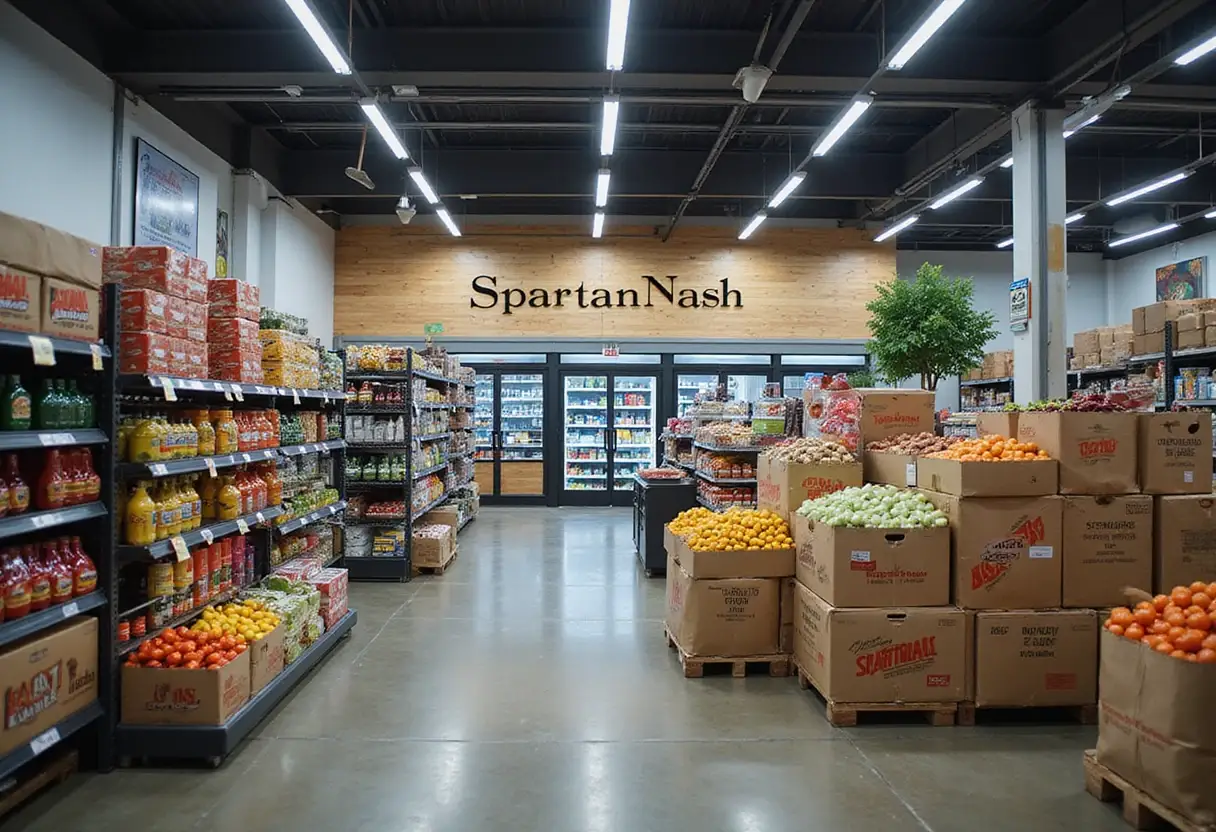
Packing list
C&S Wholesale Grocers agreed to buy SpartanNash for $1.8 billion.
Spartanash operates both a wholesale distribution business and roughly 200 corporate-run retail stores.
The combined company will rank among the largest U.S. grocery distributors, competing with UNFI.
C&S Wholesale Grocers has agreed to buy SpartanNash for $1.8 billion, combining two of the largest grocery distribution businesses in the United States in one of the biggest wholesale-channel transactions of the year.
The deal links C&S Wholesale, the Keene, New Hampshire-based distributor that supplies thousands of independent grocers and retail chains, with SpartanNash, the Grand Rapids, Michigan company that both distributes to grocery retailers and operates its own supermarkets under banners including Family Fare, Martin's Super Markets and D&W Fresh Market.
For C&S, the acquisition extends a consolidation strategy in grocery wholesale — a channel under sustained margin pressure from big-box retailers, dollar stores and the grocery operations of Amazon and Walmart. Scale in distribution directly affects gross margin and inventory turns: larger purchasing volumes strengthen supplier terms, while denser warehouse networks cut cost per case delivered.
SpartanNash brings C&S more than distribution volume. The company runs roughly 200 corporate-run retail stores alongside its wholesale business, giving the combined entity owned retail endpoints for its supply chain — a structural hedge against the erosion of the traditional wholesale model, where distributors depend on independent grocers that keep losing share to national chains.
The $1.8 billion price tag values SpartanNash at a premium reflecting both its distribution network — spanning distribution centers across the Midwest and beyond — and its retail footprint. SpartanNash also has a established foodservice and military commissary distribution business, channels where C&S has historically had limited presence.
For independent grocers, the question is channel power. C&S already supplies a large share of the independent grocery sector; adding SpartanNash's customer base concentrates more wholesale buying power in fewer hands. That could mean stronger shelf pricing for independents through combined purchasing — or less leverage for retailers negotiating with a dominant supplier.
The transaction also signals where grocery distribution economics are heading. Wholesale gross margins in food distribution typically run thin, in the mid-single digits, and returns depend on high inventory turns and tight logistics costs. Distributors that cannot reach sufficient scale face a shrinking independent-customer base, and consolidation becomes the exit path. C&S itself has previously acquired distribution assets from regional players as the sector contracts.
SpartanNash shareholders must still approve the deal, along with regulators. The combined company would rank among the largest grocery distribution operations in the country, behind giants like UNFI — itself a product of consolidation that absorbed Supervalu in 2018.
If the deal closes as expected, C&S will emerge with an expanded national footprint spanning wholesale supply, owned retail and foodservice channels — a bet that vertical integration, not wholesale volume alone, will determine which distributors hold channel power in the next decade of grocery.
via Google News: Distributor mergers (Source)
More from James Calloway
Show full bio
Senior reporter covering regulation, policy and their impact on Wholesale and distribution industry coverage for B2B professionals at Distribution Brief.
138 articles