Deals & ConsolidationTX-F463
B&G Foods Abandons Green Giant Sale in Canada
B&G Foods has terminated the sale of Green Giant's Canadian business to Nortera Foods after a regulator warned the deal would raise prices and cut competition.
- Scan date
- October 12, 2026
- Handle time
- 3 min
- Ticket
- TX-F463
Packing list
B&G Foods called off the sale of its Green Giant business in Canada
The terminated buyer was Nortera Foods
A regulator said the sale could result in higher prices, fewer choices and reduced competition
The Canadian vegetable category's supplier structure remains unchanged after the deal's collapse
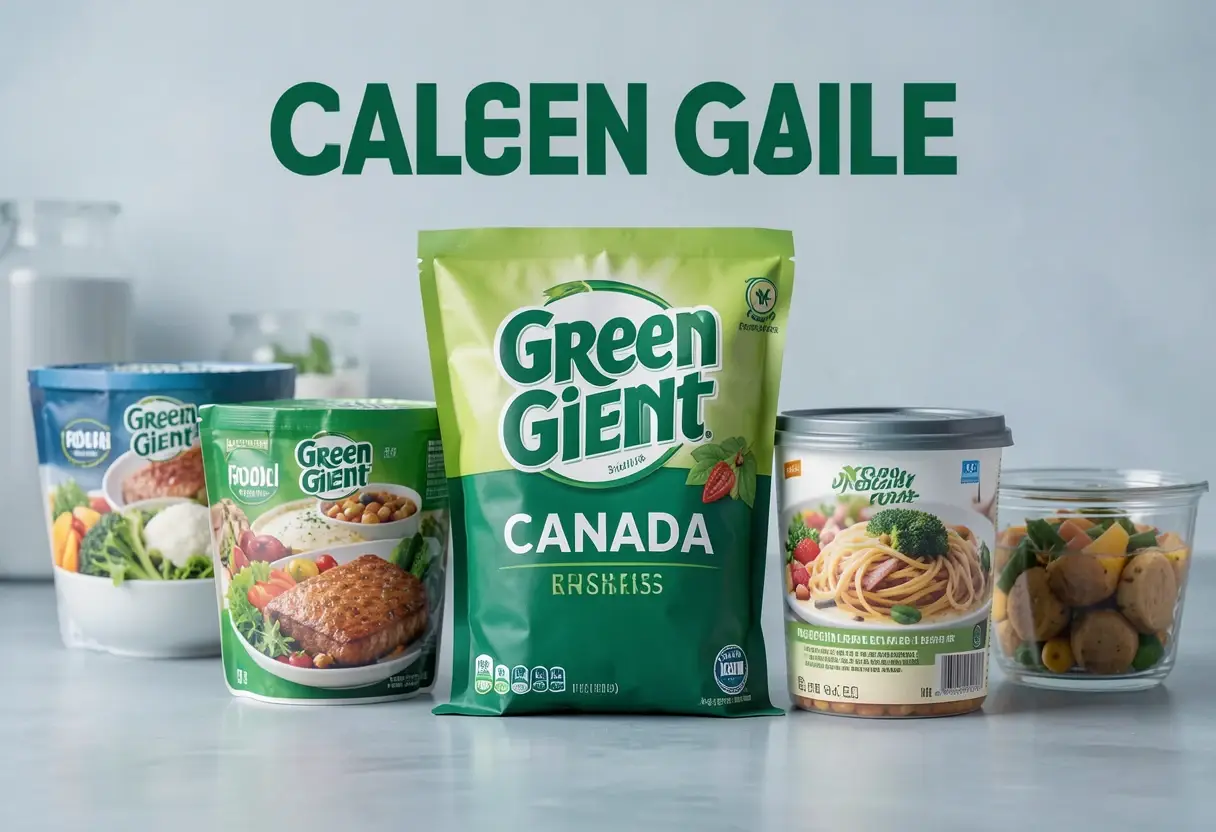
B&G Foods has called off the sale of its Green Giant business in Canada after a competition regulator warned the transaction would likely raise prices and reduce choice for wholesale customers and retailers across the country.
The buyer in the terminated deal was Nortera Foods, a major North American processor of canned and frozen vegetables. A regulator reviewing the transaction previously stated that the sale could result in higher prices, fewer choices and reduced competition — a finding that effectively removed the regulatory path to closing.
For B&G Foods, the abandoned divestiture leaves the packaged-food company holding a Canadian shelf-stable and frozen vegetable asset it had already marked for exit. The reversal has direct implications for the distributors and brokers that move Green Giant inventory through Canadian grocery and foodservice channels: no change of ownership means no change of trade terms, no re-papering of supply agreements, and no consolidation of ordering systems — at least for now.
Why did the deal collapse?
The regulator's core concern was straightforward. It said the sale to Nortera Foods could result in higher prices, fewer choices and reduced competition. That language signals the authority viewed the combination as concentrating too much vegetable-processing and distribution capacity in a single player serving the Canadian market.
Antitrust objections of this type typically focus on shelf-stable and frozen vegetable categories, where the number of national-scale suppliers is limited and retailers depend on a small set of manufacturers for private label and branded volume alike. When two of them combine, wholesale leverage shifts toward the seller side — the opposite of what competition authorities are mandated to protect.
Nortera Foods is itself a significant processor of canned and frozen vegetables, which made the overlap with Green Giant's Canadian operations the central issue in the review.
What does this mean for the distribution channel?
For distributors, the status quo carries both continuity and friction.
- Continuity: Green Giant Canada remains under B&G Foods ownership, so existing supply relationships, pricing structures and logistics arrangements stay in place. -- Friction: B&G had signaled its intent to divest, meaning the asset is strategically orphaned inside a portfolio that no longer wants it. That uncertainty can affect promotional investment, inventory planning and long-term category commitments from both suppliers and distributors.
- No consolidation: The competitive structure of the Canadian vegetable category is unchanged. Retail buyers retain the same set of national suppliers they had before the deal was announced.
Distributors who had been preparing for a transition — new vendor onboarding, revised rebates, potentially consolidated ordering across a combined Nortera–Green Giant platform — will now stand down those plans.
What comes next for B&G Foods?
The company now faces a choice: retain and operate the Canadian Green Giant business, or pursue an alternative exit that can clear regulatory review — most plausibly a sale to a buyer without a competing vegetable portfolio.
Each path carries cost. Holding the asset means continuing to manage Canadian distribution, inventory and trade spend in a market B&G had already decided to leave. Restructuring a sale around the regulator's concerns means finding a different acquirer and restarting a process that has now failed once.
For the Canadian grocery wholesale channel, the near-term picture is stable: same brands, same suppliers, same competitive set. The open question is whether B&Foods re-engages the market with a restructured transaction, and whether a future deal is built to satisfy the pricing and competition concerns that killed this one.
via imgproxy.divecdn.com (Original)
More from Priya Raman
Show full bio
Correspondent covering technology and product news in Wholesale and distribution industry coverage for B2B professionals at Distribution Brief.
125 articles